The rise of agentic AI on Kubernetes: unleashing the new infrastructure layer
AI is changing expectations around infrastructure and operations, including Kubernetes management. When models run close to the data they use, The post The rise of agentic AI on Kubernetes: unleashing the new infrastructure layer appeared first on The New Stack .
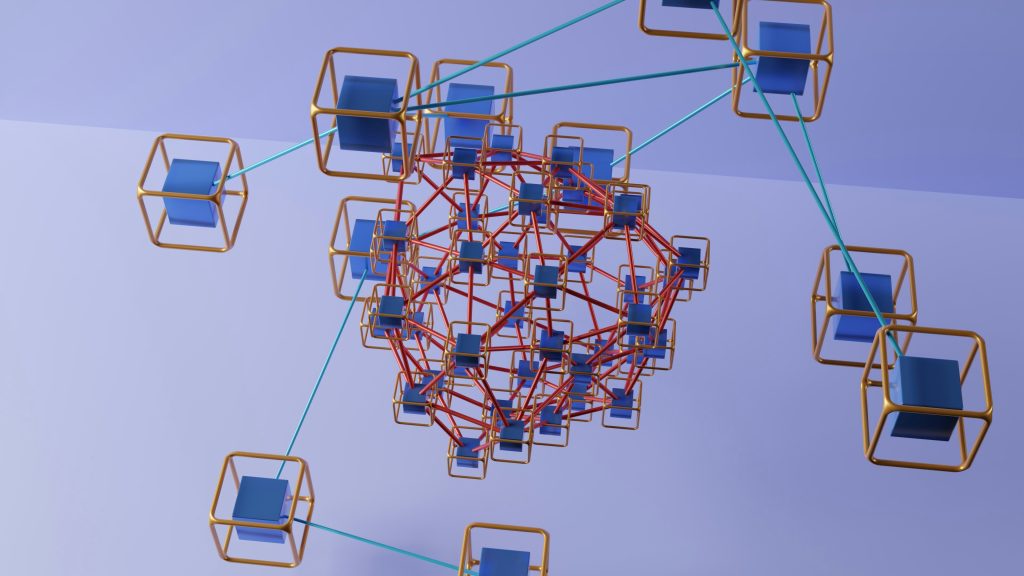
The rise of agentic AI on Kubernetes represents a new infrastructure layer, reshaping how AI and operations interact. As AI workloads expand, they demand more from the underlying infrastructure, making efficient management crucial. Kubernetes serves as a control point for scheduling workloads, applying policies, and providing consistent interfaces across environments.
Agentic AI on Kubernetes can extend automation from fixed rules to real-time, adaptive systems. Traditional automation runs the same script irrespective of changes, while agentic systems observe conditions, reason, and take actions within approved scopes, often requiring human approval. By routing requests to specialized agents with access to relevant metadata, clear boundaries are set, enhancing agentic AI's value.
However, manual Kubernetes management can be inefficient at scale, especially in growing estates with multiple clusters, increasing risk of configuration drift and policy inconsistencies. Unified visibility across clusters and environments is essential for informed decision-making. While most AI models understand Kubernetes basics, they lack context specific to unique cluster states, policies, and recent changes, which are vital for effective management.
Written by urgent.news from The New Stack's reporting — not their text. Machine-written — may contain errors; check the original before relying on it.