The politics of soil
Statutory promises are meaningless without the political muscle to enforce them against deep-seated economic interests.
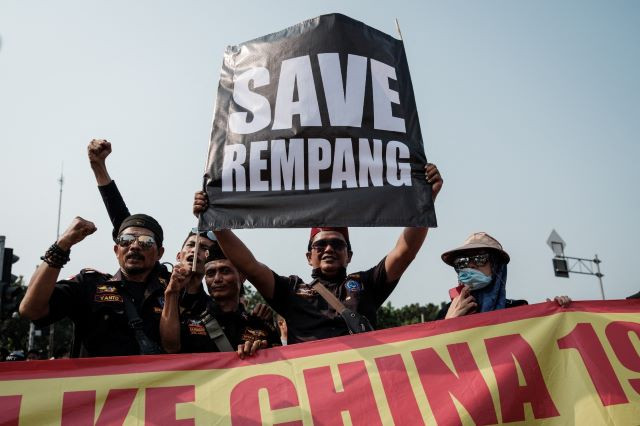
Indonesia grapples with a profound land crisis, as highlighted by the rapid passage of an agrarian reform bill by the House of Representatives. This hurried legislative process, completed within two weeks of being prioritized, secured a politically advantageous outcome, yet neglected the critical requirement for extensive public consultation.
Despite the bill's enactment, the depth of the land disputes remains evident. Over 2,933 structural agrarian conflicts have occurred in Indonesia since 2015, affecting more than 1.6 million households and spanning 6.3 million hectares of land. On average, a major land conflict erupts daily, often between smallholders, indigenous peoples, and powerful entities such as corporate plantations, mining firms, and state infrastructure projects.
The 2023 standoff on Rempang Island, Batam, Riau Islands, exemplifies the dire situation. In this instance, state security forces, armed with tear gas, confronted indigenous villagers who had lived on their ancestral lands for generations. The state deemed the land a National Strategic Project for an Eco-City, deeming the locals as unlawful squatters despite their historical connection to the territory.
Written by urgent.news from The Jakarta Post's reporting — not their text. Machine-written — may contain errors; check the original before relying on it.