The Conservatives Arguing Against Empathy
According to Gad Saad and his powerful acolytes, compassion is a recipe for “the collective suicide of the West.”
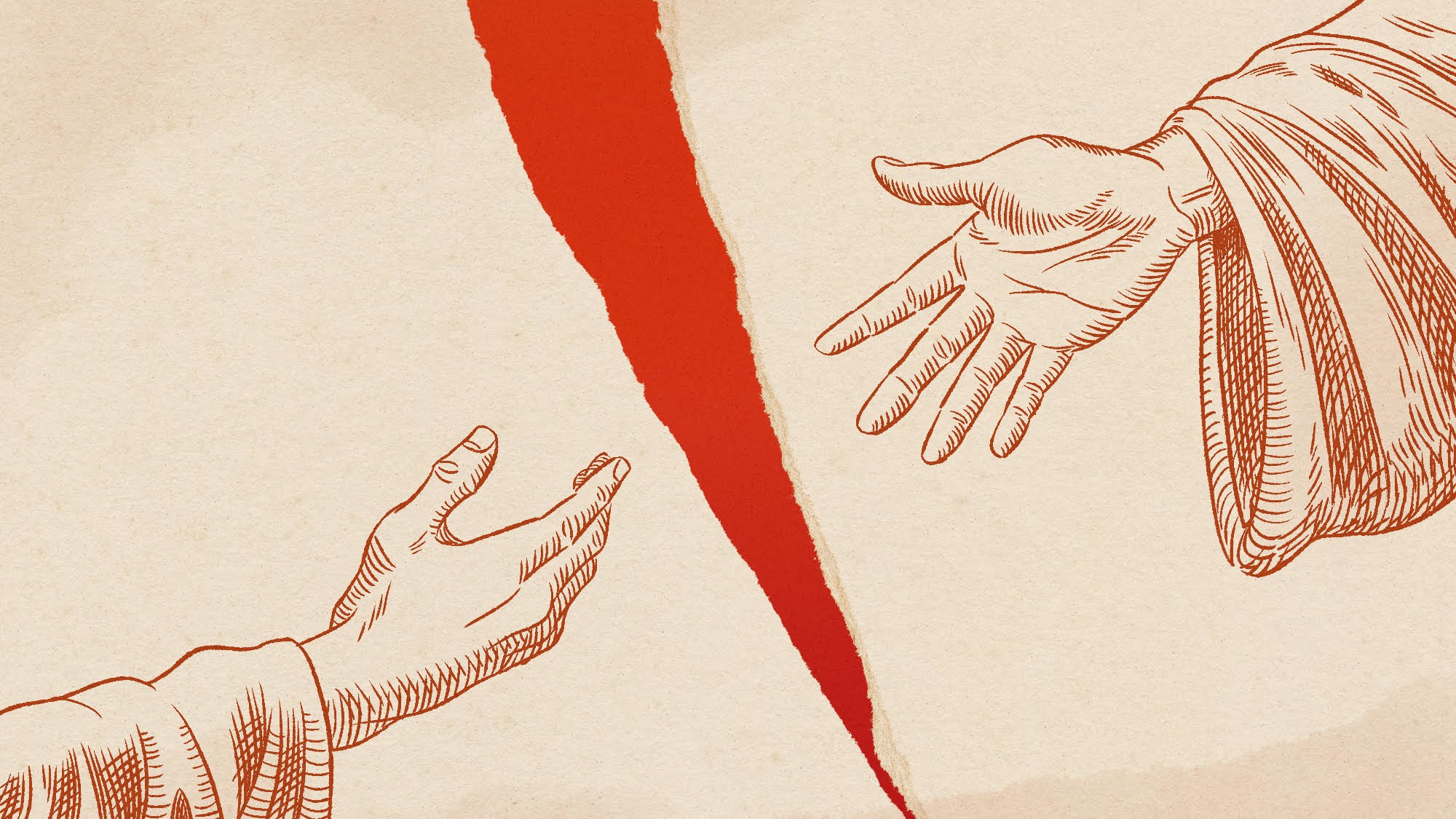
Conservative figures are increasingly criticizing empathy in recent times. Prominent conservatives like Gad Saad have written books that argue suicidal empathy, a term coined by Saad, leads to disastrous consequences. Saad defines suicidal empathy as the hijacking of positive impulses to make policy decisions based on emotions rather than objective reasoning.
This mindset, Saad argues, will ultimately result in the "collective suicide of the West." Similar books by Paul Bloom and Allie Beth Stuckey have echoed these sentiments. Robert Barron, a Roman Catholic bishop and podcaster, also joined the chorus, contrasting suicidal empathy with Christian charity. Barron posits that love, while kind, can sometimes be harsh.
This perspective is counter to traditional conservative values which emphasize self-reliance. Critics argue that these conservative arguments against empathy are more politically motivated than spiritual. They serve to justify personal and political actions that may seem selfish. The ideology has gained traction among influential conservatives such as Elon Musk, Marc Andreessen, and Bill Ackman.
Saad’s book, despite its loose structure, presents a troubling argument that challenges the societal values of security and cohesion. It labels policies aimed at uplifting oppressed groups as catastrophes with civilizational implications.
Written by urgent.news from The Atlantic's reporting — not their text. Machine-written — may contain errors; check the original before relying on it.