Tata dispute sends India Inc scrambling to shore up shareholder rights
A boardroom rupture at India's Tata Sons, where the controlling charity arm says it is unable to assert its rights, is rippling across India Inc, with founders and investors studying the fine pri...
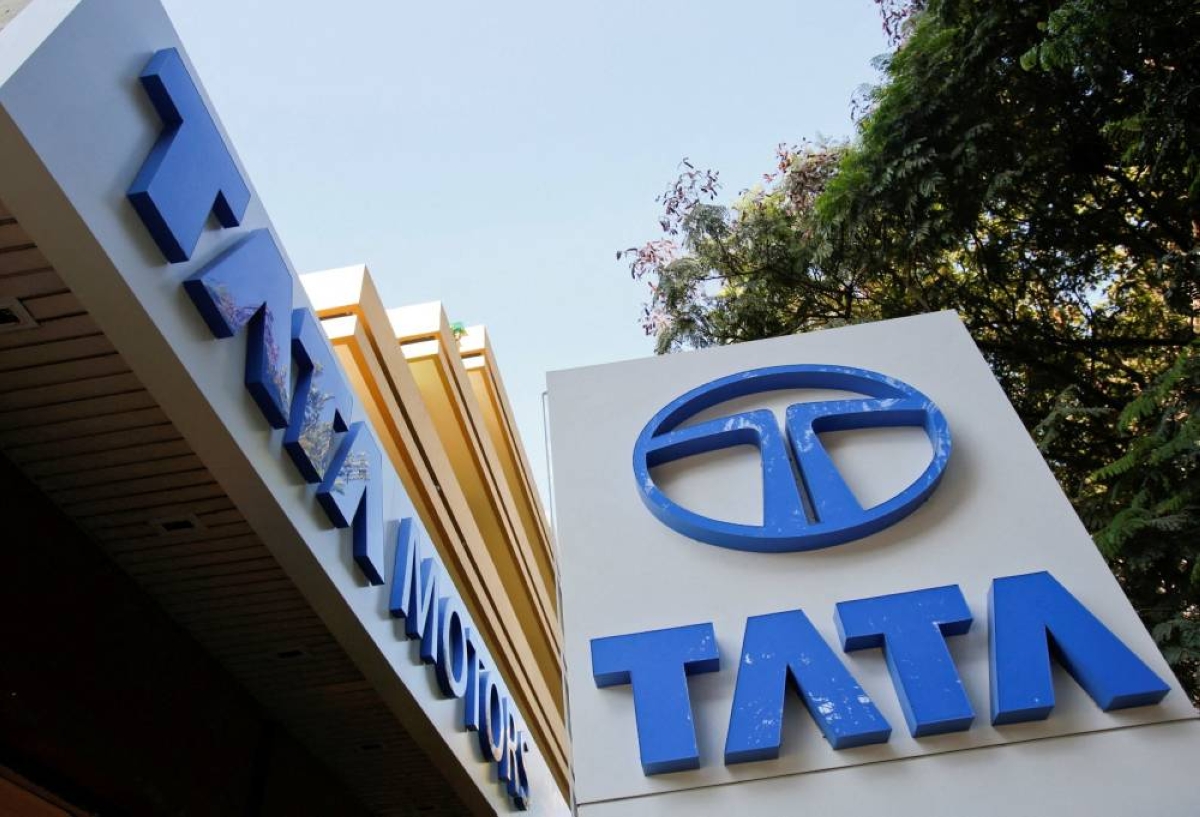
A dispute at India's Tata Sons is causing investors and founders across major Indian industries to reassess shareholder contracts and protections. Tata Sons, the holding company of the Tata Group, operates in over 100 countries through brands like Air India, Tetley tea, Jaguar Land Rover, and joint ventures with Starbucks and Inditex's Zara.
The group, founded in 1868 and led by Ratan Tata until his death in 2024, is currently embroiled in a governance battle between its board and the philanthropic arm, the Tata Trusts, which owns 66% of the conglomerate.
On September 17, the Tata Sons board reappointed chairman N Chandrasekaran, despite objections from the Noel Tata-led Tata Trusts, who argued against the potential stock market listing of Tata Sons. Noel Tata claimed that the internal governance rules explicitly state that his lone vote against any key decision is enough to invalidate it. However, Tata Sons disagreed, stating that Noel lacked the support of the other trust nominee, and the decision was made based on a simple majority.
The governance clash has raised alarm bells among Indian companies, with strategic investors, company owners, and directors in sectors such as manufacturing, steel, and textiles reviewing their shareholder agreements to ensure they have enough protection against potential boardroom battles. Law firms and board directors have reported a surge in queries from business families and founders, highlighting a growing sense of insecurity and fear among owners.
The dispute has prompted strategic investors and private equity funds with veto rights to review their shareholder agreements and consider additional safeguards to prevent dilution of their holdings if the board's governance framework is perceived as different from the shareholder's. Some Indian M&A lawyers are advising clients to carefully examine the implications of boards reading governance frameworks differently, questioning whether a board can proceed with a decision first and leave the shareholder to seek remedies later.
Founded by Jamsetji Tata in 1868, the Tata Group consists of 31 companies with combined revenues of over $180 billion last year. Tata Sons, the group's principal holding company, holds 66% of the equity share capital through its philanthropic arm, the Tata Trusts. While Tata's unique governance structure is an exception in most Indian companies, the current dispute is the latest in a series of conflicts, including a similar stand-off in 2016 that led to the sacking of the chairman and years of legal disputes.
Written by urgent.news from Gulf Times Business's reporting — not their text. Machine-written — may contain errors; check the original before relying on it.