Russia could reportedly use dried Kakhovka Reservoir bed to attempt advance toward Zaporizhzhya
Russian invasion forces are using the dried-up Kakhovka Reservoir to reinforce infantry groups along the eastern bank and could attempt to break through toward Zaporizhzhya by taking advantage of worsening autumn weather conditions, according to a report by the U.S.-based Institute for the Study of War dated Sept. 26.
Russian forces have reportedly been utilizing the dried Kakhovka Reservoir bed to bolster infantry positions along the eastern bank, with a potential advance toward Zaporizhzhya if autumn weather deteriorates, according to a Sept. 26 report by the U.S.-based Institute for the Study of War.
Dmytro Perun Filatov, commander of the 1st Separate Assault Regiment in the Zaporizhzhya sector, highlighted the challenges Ukraine's Defense Forces face in this region due to dense vegetation, high humidity, and fog during autumn and winter. Last year, Russian forces exploited these conditions to infiltrate Prymorske, a settlement south of Zaporizhzhya, which Ukraine subsequently reclaimed. Filatov believes Russian forces may attempt a similar maneuver again, without the need for additional units.
Ukrainian military analyst Kostiantyn Mashovets concurred, stating that Russian forces can only reinforce their limited positions in southern Prymorske with infantry, as Ukraine controls the northern Plavni area and a segment of the M-18 highway south of Prymorske. In late July, the enemy reportedly infiltrated Malokaterynivka using the reservoir. Mashovets noted that Russian saboteurs are currently present only in the Vysotka area of Stepnohirsk, northeast of Plavni, and on the northern outskirts of the settlement.
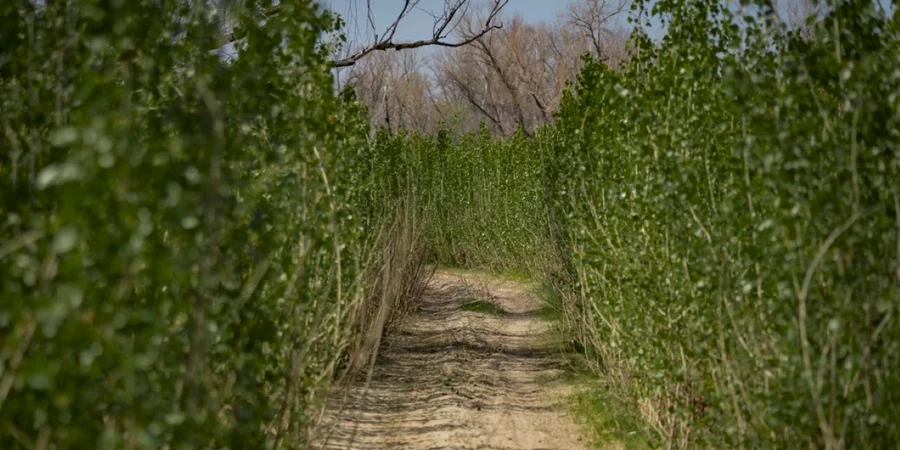
ISW reported in the summer of 2026 that Russian forces were using the dried Kakhovka Reservoir for infiltration operations, while Suspilne public broadcaster noted that the reservoir's bed had transformed into a dense forest of young willows and poplars after Russian forces destroyed the Kakhovka hydroelectric dam in June 2023. The area features alternating sandy patches and marshes, with impassable willow thickets posing navigation challenges, according to journalists.
Written by urgent.news from New Voice of Ukraine's reporting — not their text. Machine-written — may contain errors; check the original before relying on it.