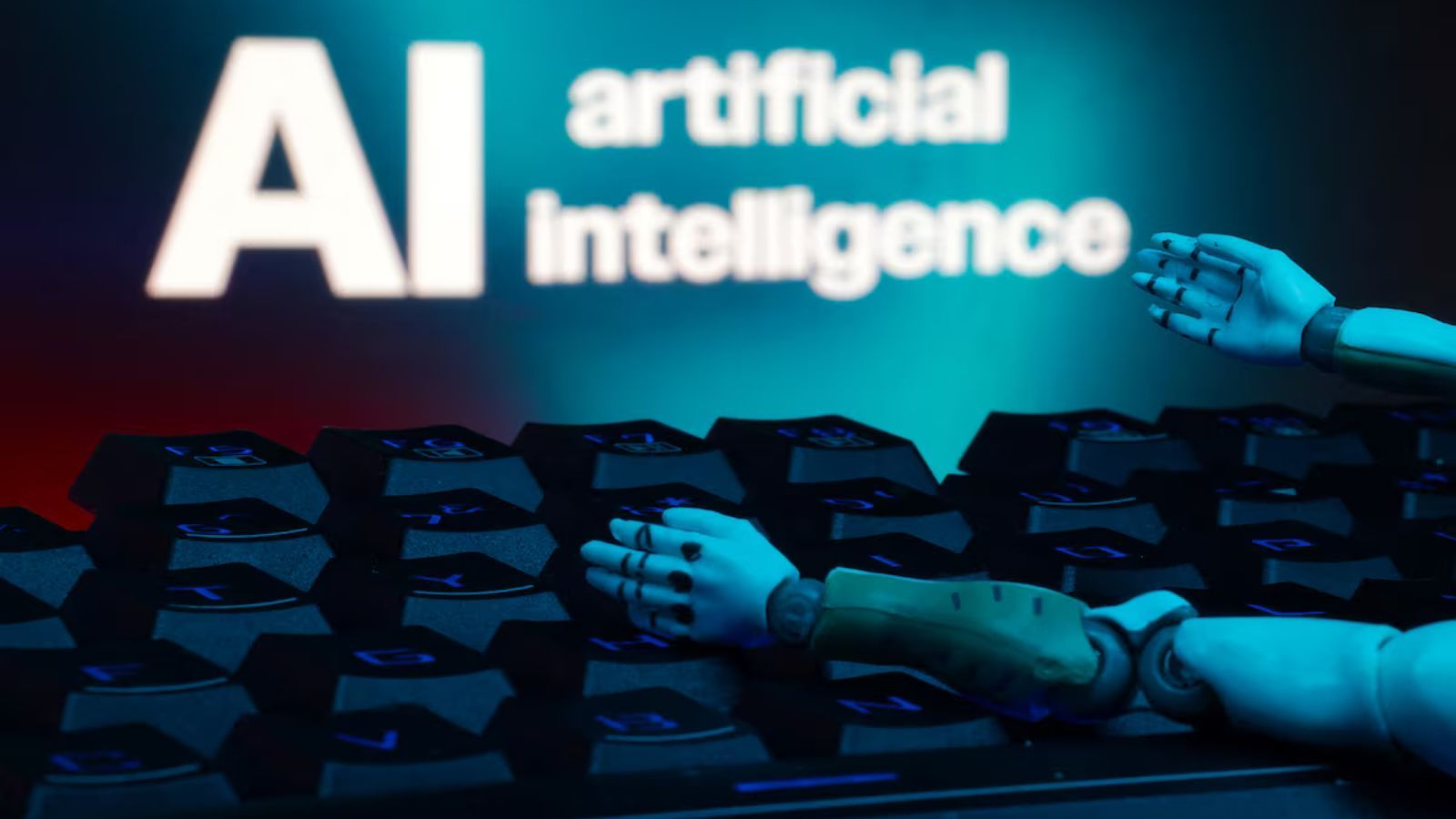
Robot-use agents
This year, numerous language models (LLMs) are anticipated to be tested as robot-use agents. Similar to how LLMs can utilize tools such as calculators, web search, and even entire computers, they can also leverage robots as tools. Picture an LLM, like Claude, directing a robot's actions. While researchers have long recognized the potential of LLMs in this regard, there was a prevailing belief that they were not yet equipped to manage real-world dynamics, possess poor spatial intelligence, or demonstrate strong causal and physical understanding.
However, with the emergence of newer models like Fable and Astra, these limitations seem to be diminishing. Recent demonstrations suggest that LLMs may soon be proficient in general-purpose robot use. The implications of this development are significant. Once LLMs can effectively control robots, robotic capabilities could advance at a pace beyond current expectations.
Every robot connected to the internet transforms into a potential tool for LLMs, such as Fable, Astra, or others. This contrasts with the prevailing notion that robot intelligence predominantly operates locally, with models tailored to each specific robot type. The process of integrating AI into robots is deliberate and time-consuming, often involving substantial effort.
Moreover, the technology stack for robot brains is still in its infancy, with researchers exploring various approaches like world models, behavior foundation models, and continual learning methods. In contrast, the cloud-based LLM paradigm offers a mature infrastructure that could empower robots without the need for any modifications to their software, sensors, actuators, or onboard GPUs.
This paradigm shifts intelligence from individual robots to the cloud, enabling remote updates and making previously unintelligent devices capable of AI integration through a simple software update. While the potential of LLM-controlled robots is immense, there are still limitations to overcome. High latency, limited internet speeds, and reliability concerns pose challenges, particularly for safety-critical applications.
However, these hurdles are perceived as surmountable. The world is now realizing that any digital tool can be made accessible to agentic AIs, and the same may soon extend to physical robots and any internet-connected device. This shift presents both opportunities and risks, marking a potential transformation in the robotics landscape.
Written by urgent.news from Lobsters's reporting — not their text. Machine-written — may contain errors; check the original before relying on it.