Malaysia's economy is F1 car on paper, sedan on the ground
ACCORDING to the Department of Statistics Malaysia (DOSM), the economy grew six per cent in the second quarter of 2026, the strongest 2nd-quarter growth outside the pandemic period since 2014.
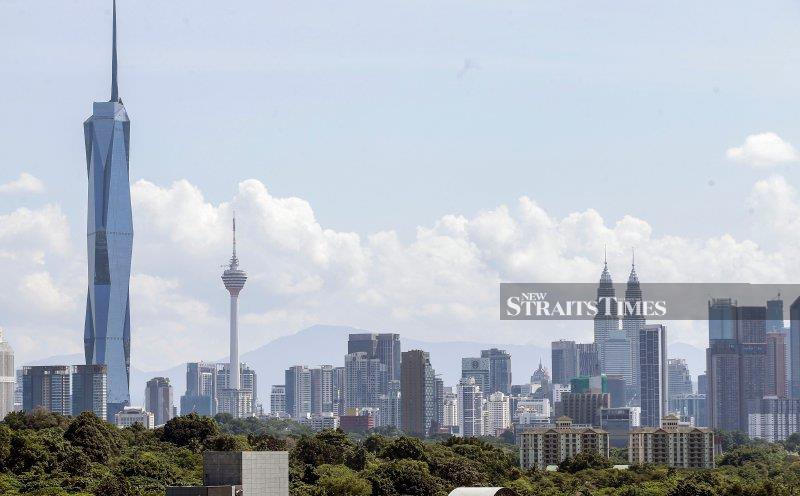
Malaysia's economy appears robust on paper, with a 6% growth in the second quarter of 2026, the strongest growth since 2014. Unemployment remains low at 3%, and headline inflation is at 1.9%. Yet, there is a perception that wages are not keeping up with rising costs, and prosperity in the national accounts is not translating to household budgets.
A regional survey found the cost of living to be Southeast Asia's biggest social concern, with 42% of respondents citing it, including Malaysia. Prime Minister Anwar Ibrahim acknowledged the mismatch, stating that while the headline indicators are encouraging, many Malaysians continue to face cost of living pressures. The disparity arises because the economy is composed of two different types of vehicles - F1 cars and sedans.
The F1 cars represent manufacturing strength driven by global demand for electronic components and AI-related industries. However, this sector is narrow, dependent on capital-intensive investment and global supply chains, and only benefits a small number of large export-oriented firms. The sedan represents the majority of the workforce, employed in agriculture, services, and small-scale manufacturing.
These sectors are not growing as rapidly as the AI-linked engine and are where most Malaysians work. The gap is not due to lack of effort but rather uneven impacts of policies like fuel subsidy rationalization. The subsidy adjustments disproportionately affect households with modest income growth, creating a felt financial strain.
While fiscal discipline and targeted reforms are positive, the timing and absorption of these changes pose challenges for a significant portion of the population. The analogy suggests that Malaysia's economic race involves vehicles with different capabilities and strategies, and a change in the race's terms may be necessary to ensure fair competition.
Written by urgent.news from New Straits Times's reporting — not their text. Machine-written — may contain errors; check the original before relying on it.