Malaysia's economy is an F1 car on paper, a sedan on the ground
KUALA LUMPUR: According to the Statistics Department, Malaysia’s economy grew 6.0 per cent in the second quarter of 2026, the country’s strongest quarter two (Q2) growth outside the pandemic period since 2014.
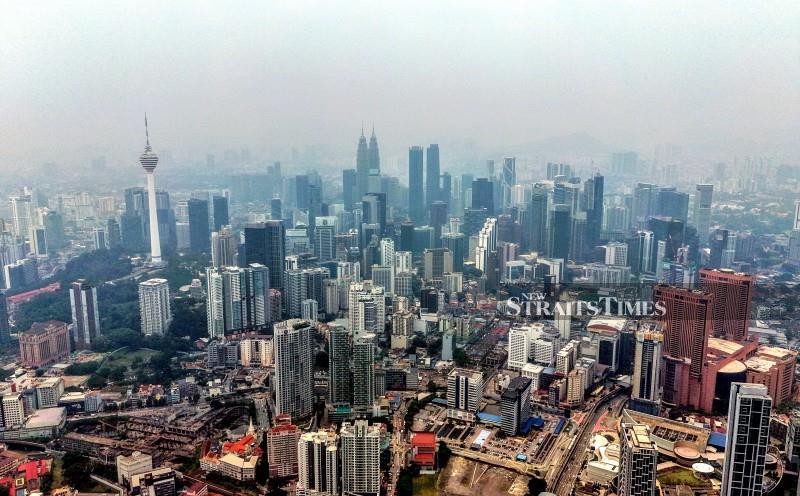
KUALA LUMPUR: Malaysia's economy experienced its strongest quarter of growth in over a decade, with a 6.0 percent increase in the second quarter of 2026. Unemployment remained low at 3.0 percent, while headline inflation rose to 1.9 percent. Despite these strong economic indicators, many Malaysians are not feeling the benefits of the growth.
A regional survey found that the cost of living is the biggest social concern in Southeast Asia, citing it as the primary issue for 42 percent of respondents. Prime Minister Anwar Ibrahim acknowledged this disparity, stating that while the economy is growing, many Malaysians continue to face pressures from the cost of living. The gap between the strong performance of the economy and the lived experience of Malaysians is attributed to the narrow focus of the economic growth.
This growth is driven by manufacturing, particularly in AI-linked sectors such as electrical and electronic components, but it is concentrated among large export-oriented firms. The rest of the economy, including agriculture, services, and mining, is not accelerating at the same pace. The majority of the workforce is employed in MSMEs, which are not growing as quickly as the manufacturing sector.
Additionally, a fuel subsidy rationalization policy, BUDI95, has led to higher fuel costs for households that are not covered by blanket subsidies, exacerbating the disparity between the economic indicators and the lived experience of Malaysians. The issue is not one of policy failure, but rather the sequencing and absorption of the economic changes for different sectors and income groups.
Written by urgent.news from New Straits Times's reporting — not their text. Machine-written — may contain errors; check the original before relying on it.