Koalition: Kassen warnen vor Pflege-Blockade - „Geld alle“
Kommt sie früher oder später? Die geplante Pflegereform wird zu einem neuen großen Streitpunkt zwischen Union und SPD. Die Pflegekassen warnen vor den Folgen eines Reformstopps.
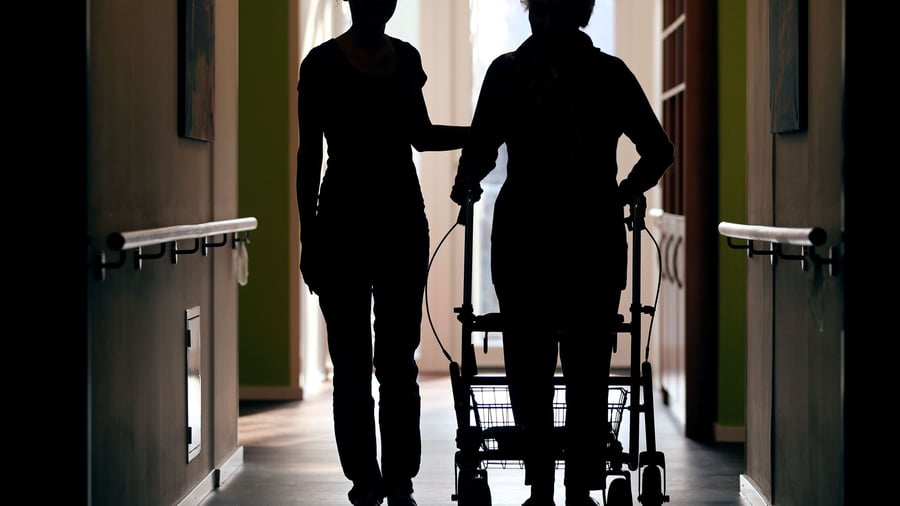
The nursing associations are warning the SPD against blocking the planned nursing reform, stating that inaction would be fatal, according to Oliver Blatt, the head of the Kassen-Spitzenverbande. The nursing reform must now enter the German Bundestag, emphasized Katrin Staffler, the spokesperson for the federal government for nursing care.
SPD faction leader Matthias Miersch had asked for changes to the reform plans presented by Health Minister Carsten Linnemann and threatened to block them. Blatt reaffirmed: "In nursing care, the alarm level is red." It has long been known that the nursing sector will accumulate a deficit of 4.4 billion euros by the end of the year.
"Within a few months, the money will be gone entirely." His appeal is aimed "especially at the SPD" at the moment, Blatt said. Support for the SPD comes from Verdi. "We very much welcome the massive criticism of the planned nursing reform from the SPD," said Verdi member Sylvia Bühler. Reforms are needed that do not further burden people.
Consumer protection's top woman, Ramona Pop, called for more comprehensive consultations of the coalition on the reform. The current plans of the federal government strengthened nursing care, not weakened it. "Cutting services, shifting costs to those in need of care and their relatives, and delaying central promises from the coalition agreement, such as limiting co-payments for nursing home residents, is the wrong path," said Sylvia Bühler, head of the Verbraucherzentrale Bund Verbande.
Staffler criticized the SPD, saying that each new proposal delays the urgently needed nursing reform and endangers the financial stability of the nursing insurance and the security of care for millions of nursing care recipients. The reform must be brought to the cabinet promptly. Work on a structural reform is ongoing. PKV-Verbandsdirektor Florian Reuther accused the SPD of ideological demands that it uses to block the urgently needed reform.
Blatt reiterated the Kassen' demand to finance so-called non-insurance services, such as pension contributions for caregiving relatives, through state funds. This alone involved five billion euros. "Private insured must pay contributions." Linnemann had announced that he would bring his reform plans to the cabinet the following week.
However, SPD faction leader Miersch said in "Bild": "A pure cut package is not what the SPD Bundestag faction wants. There are still missing structural reforms. They could and must change." Miersch emphasized that the reform must understand care as a task of the entire society. "Therefore, private insured must also contribute their fair share."
For this, he expects "concrete proposals." The SPD's ideas for a price ceiling for rising co-pays in homes are taking shape. The Saarland proposes a two-tier model. At level one, the share of affected individuals should be limited to a maximum of 1,500 euros. Then, the costs of co-payments would fall below 1,500 euros through subsidies.
This proposal is contained in a letter from Saarland Health Minister Magnus Jung (SPD) to his state colleagues, which is available to the dpa. The ARD first reported the concept. In July, co-payments alone for home care in Germany had risen to an average of 3,364 euros per month. Since the start of the year, the Chancellor's office chief, Nina Warken (CDU), who took over the health portfolio, had presented plans, mainly aimed at savings.
In addition to savings on surcharges that are supposed to relieve co-payments, restrictions on free joint insurance for spouses and stricter classification of nursing grades were included. Linnemann announced a few days ago at his recent announcements about care in the Bundestag that billions would have to be saved next year. The SPD does not dispute the need for reform.
Written by urgent.news from Handelsblatt's reporting — not their text. Machine-written — may contain errors; check the original before relying on it.