KCCR-KNUST scientists optimistic of future use of ivermectin among children
Kumasi Centre for Collaborative Research in Tropical Medicine at the Kwame Nkrumah University of Science and Technology (KCCR-KNUST) is working with partner organisations to generate clinical and regulatory evidence required to support the use of ivermectin in children weighing five to 15 kilogrammes. The post KCCR-KNUST scientists optimistic of future use of ivermectin among children appeared…
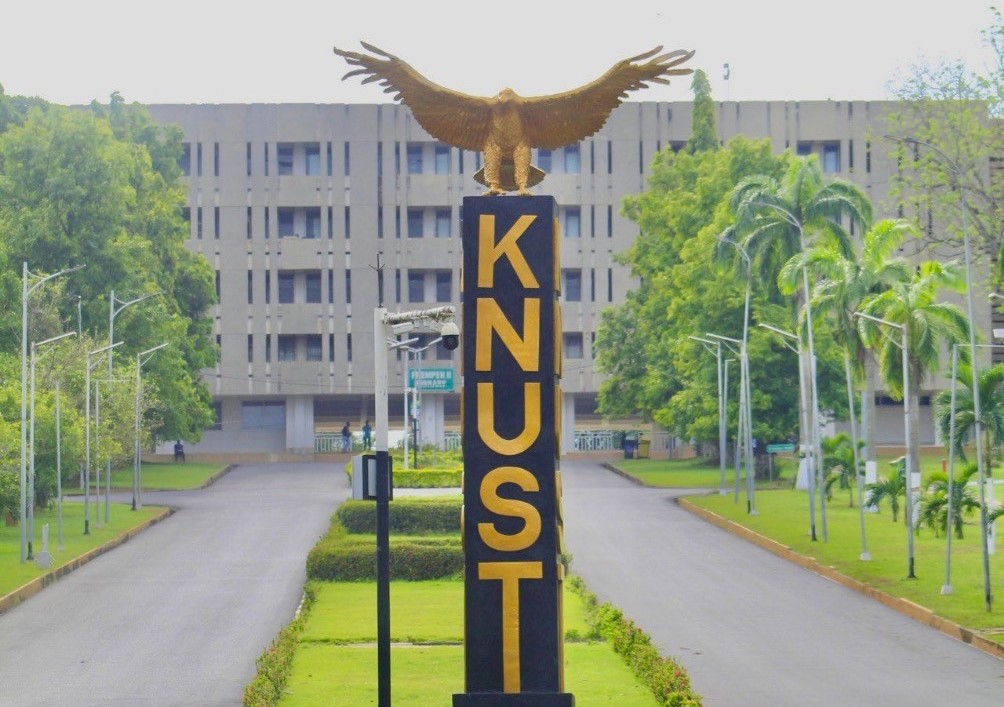
The Kumasi Centre for Collaborative Research in Tropical Medicine at Kwame Nkrumah University of Science and Technology (KCCR-KNUST) is collaborating with various organizations to gather clinical and regulatory evidence supporting the use of ivermectin in children weighing five to 15 kilogrammes. This effort is part of the IVM-KIDS project, a four-year Africa-Europe research partnership funded by the European Union’s Horizon Europe Research and Innovation Programme.
The study aims to address the exclusion of young children, particularly those under five years old, from ivermectin-based public health programs due to insufficient safety evidence. Professor John Amuasi, the Scientific Project Leader of IVM-KIDS, explained that the group aims to generate practical evidence to inform the safe use of ivermectin in children.
Researchers from Ghana, Kenya, Tanzania, the Democratic Republic of Congo, the United Kingdom, Spain, and Switzerland will work together to coordinate clinical research, regulatory efforts, stakeholder engagement, and implementation activities. Ivermectin is already a crucial tool for controlling neglected tropical diseases, but its use in younger children remains unproven.
The project will evaluate both generic ivermectin and a new child-friendly 3mg orodispersible formulation to improve administration for this age group. The ultimate goal is to provide strong evidence to regulators, the World Health Organisation, and national neglected tropical disease programmes to expand the indication of ivermectin for children under 15 kg.
Written by urgent.news from Ghana Business News's reporting — not their text. Machine-written — may contain errors; check the original before relying on it.