Jalan berbeza tapi piawaian keselamatan jangan berlainan
Tahap perlindungan keselamatan jalan raya tidak sepatutnya berbeza hanya kerana sesuatu jalan diurus pihak berkuasa berlainan.
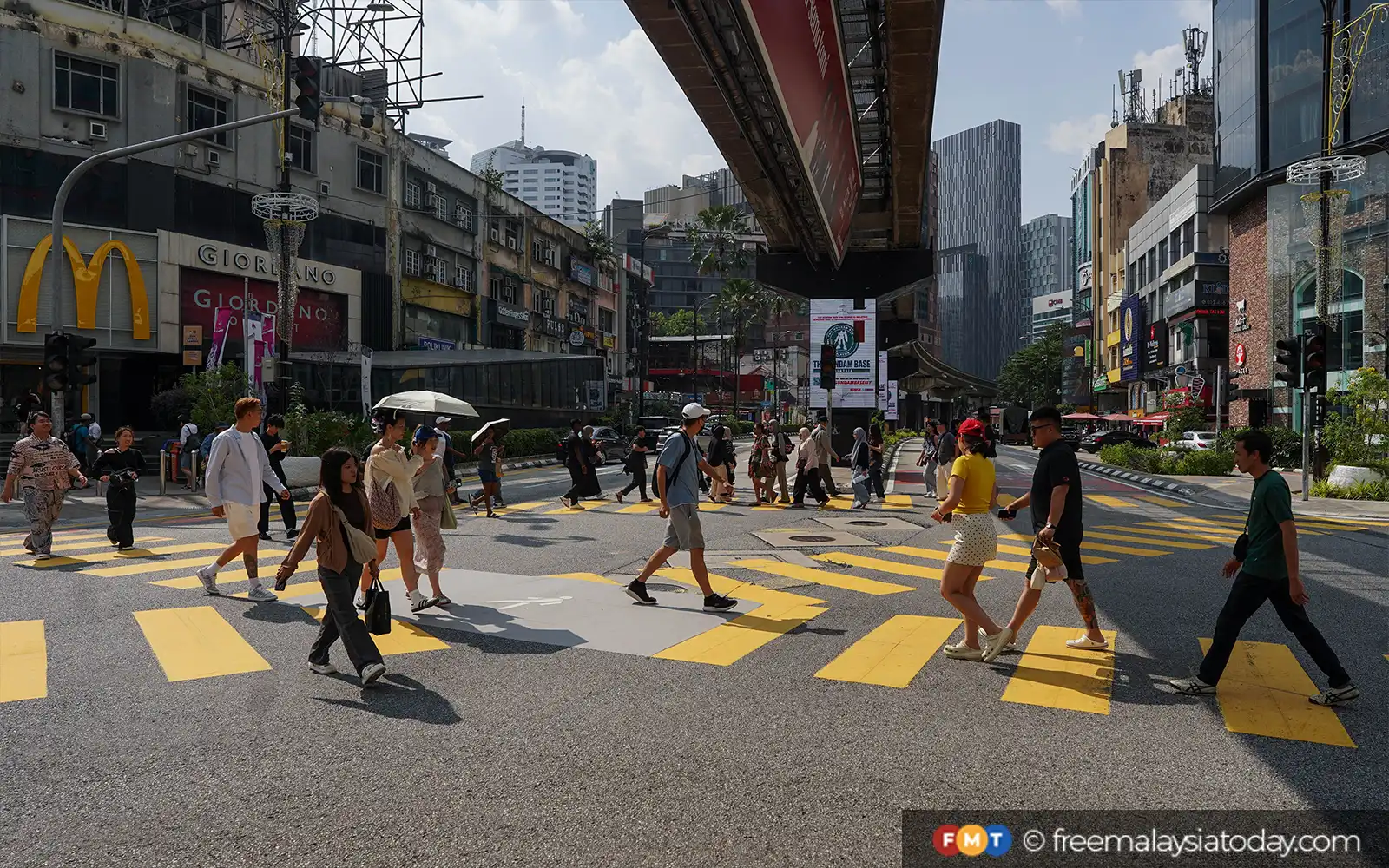
Malaysia possesses comprehensive safety standards, including engineering manuals, design guidelines, Road Safety Audits, and specialist professionals. However, the question arises whether every Malaysian citizen receives the same minimum road safety protection regardless of who manages a particular road. Motorcyclists face the same risks when switching from federal highways to local roads, and parents sending their children to school shouldn't need to know which department oversees the road in front of their child's school.
Elderly citizens heading to the bus stop should also be aware of which authority manages the road in front of them. Even senior citizens wanting to use the bus should not have to know which authority governs the road crossing in front of them. For users, all of this is part of the national road system. Yet, our roads are designed, planned, and maintained by various government levels.
Federal highways, provincial roads, expressways, and local roads have different functions, responsibilities, and funding methods. This divergence is natural. Expressways cannot be designed like residential streets, and rural roads have different needs compared to busy downtown streets. Village roads should not use the same design as main city roads.
I am not suggesting that all roads in Malaysia should look the same. The question is whether every road should meet a single minimum safety standard agreed upon collectively. Malaysia has already set a goal through the Road Safety Masterplan Malaysia 2022-2030, aiming to reduce road fatalities by 50% by 2030, with safer infrastructure as a key component.
The goal is clear. The challenge lies in ensuring the entire road system helps achieve that target. When serious accidents occur, people often wonder if drivers were driving too fast, if motorcyclists were careless, or if the supervising authority was insufficient. However, this should not be the only question. Did the road designers consider the actual speed of vehicles using the road?
Can the average person cross safely? Are motorcyclists' needs taken into account appropriately? Are intersections designed to minimize dangerous collisions? Are roads maintained well? Are developments around the road altering how people use them? And once someone makes a common mistake as a human, can the road layout prevent that mistake from resulting in serious injury or death?
This thinking underlies the Safe System approach. Humans will make mistakes. Roads should be designed so that mistakes do not easily lead to fatalities. This approach is crucial for Malaysia, as motorcycles are a part of daily mobility. Whatever road safety framework is in place should consider motorcyclists from the outset to accurately reflect the reality of our road system.
The same applies to pedestrians, children, the elderly, people with disabilities, motorcyclists, and those walking to and from public transportation. Consequently, road safety cannot be measured solely by the efficiency of vehicle movement. It must also consider how much someone can ride a motorcycle to work, walk to school, cross the road, or use public transport safely.
What we find is that the challenge for Malaysia is not the lack of technical guidelines. We already have comprehensive technical and planning standards. The question is whether enforcement of these standards at the federal, state, and local levels ultimately provides the same minimum protective level. We are not saying the existing system is failing.
Rather, what is needed is to strengthen what we already have. The Road Safety Audit guidebook itself acknowledges the importance of greater consistency in the management and execution of road safety audits by different authorities. The condition of roadways is constantly changing. A road initially built primarily for traffic flow may eventually be surrounded by houses, shops, schools, factories, and bus terminals.
More pedestrians, cyclists, and vehicles will enter and exit premises along the roadside. Motorcyclists are also increasing. The classification of roads may remain the same, but how people use them has changed. The classification of roads will remain the same, but how people use them has changed. Road classifications remain the same, but usage patterns have changed.
The approach to safety must be able to adapt to these conditions. That is why Malaysia needs to start discussing a national minimum road safety standard. The principle is simple: different roads have different functions, different local conditions, but a minimum standard of safety. School zones should have a minimum protective standard approved, whether they are on federal, state, or local roads.
Pedestrian convenience must also consider the actual speed of vehicles and the risk level of the relevant road. Motorcyclist safety must be considered in the design of barriers, road surfaces, intersections, and other areas where traffic conflicts are likely. Road safety audits must identify serious risks and ensure they are handled appropriately.
Road assessments must be repeated as traffic patterns, development, and surrounding communities change. This does not mean the Road Safety Guidelines of the Road Transport Department should be replaced or that decision-making power should be taken away from state and local governments.
Written by urgent.news from Free Malaysia Today's reporting — not their text. Machine-written — may contain errors; check the original before relying on it.
Also reported by 1 other outlet
- Jalan berbeza tapi piawaian keselamatan jangan berlainan freemalaysiatoday.com