How Asia-Pacific property markets are drawing fresh capital despite US rate uncertainty
Property markets in the Asia-Pacific region are likely to remain attractive despite heightened uncertainty over monetary policy after the US Federal Reserve delivered its first interest rate increase in more than three years this month, analysts say, with several asset classes and sectors expected to draw investor interest. “We’ve seen volumes, specifically cross-border volumes in the region,…
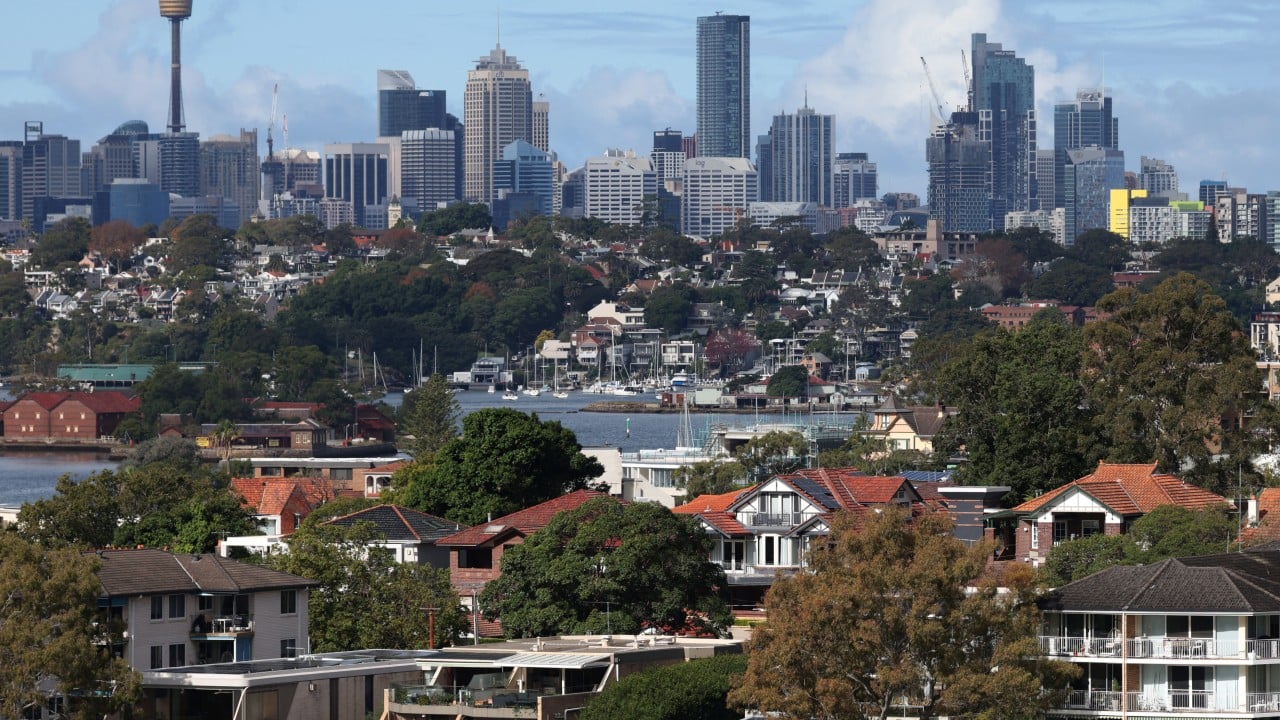
The Asia-Pacific region's property markets are expected to remain attractive despite recent uncertainty over US monetary policy, according to analysts. Cross-border investment volumes in the region have increased by about 30% to date, with mainland China being the most active market, seeing a surge of 154% year-over-year in Q2 2026 to US$13 billion. Japan and Australia followed with US$9.7 billion and US$8 billion, respectively. Hong Kong ranked fifth with US$2.5 billion, but recorded the strongest growth at 172%.
Commercial real estate transactions rose 20% to US$46.1 billion in the same period, with office properties attracting the most investment at US$15.7 billion. Emily Fell, senior director for living sectors at Savills, highlighted the strong growth potential of South Korea's senior living assets and Sydney's co-living segment, citing favorable tax treatments, planning pathways, and undersupplied demand as key factors.
Additionally, South Korea's rapidly aging population is creating investment opportunities in the coming decade.
Hong Kong was expected to continue attracting capital from investors in Southeast Asia, with investors seeking property bargains despite potential concerns over rising costs of debt. Southeast Asian investors emerged as the largest non-local buyers of Hong Kong commercial property this year, contributing over 11% of the total value.
Experts emphasized that the strong fundamentals of Asian property markets, driven by GDP growth and demographic trends, would help cushion any impact from further monetary tightening by the US Federal Reserve.
Written by urgent.news from South China Morning Post - Hong Kong's reporting — not their text. Machine-written — may contain errors; check the original before relying on it.
This story
This is one outlet's version. Read the fullest account.