From Afghanistan To Libya: Why Travellers Are Visiting Conflict Zones? The Thin Line Between Curiosity, Adventure & ‘War Tourism’
For most people, a holiday means getting away from the humdrum of regular life, relaxing at scenic travel locations and enjoying a luxury stay. On the contrary, for a growing breed of travellers on social media, a holiday means exploring the unexplored and making danger a part of the journey. A photograph posing with a gun, a video passing through heavily guarded checkpoints, a walk through…
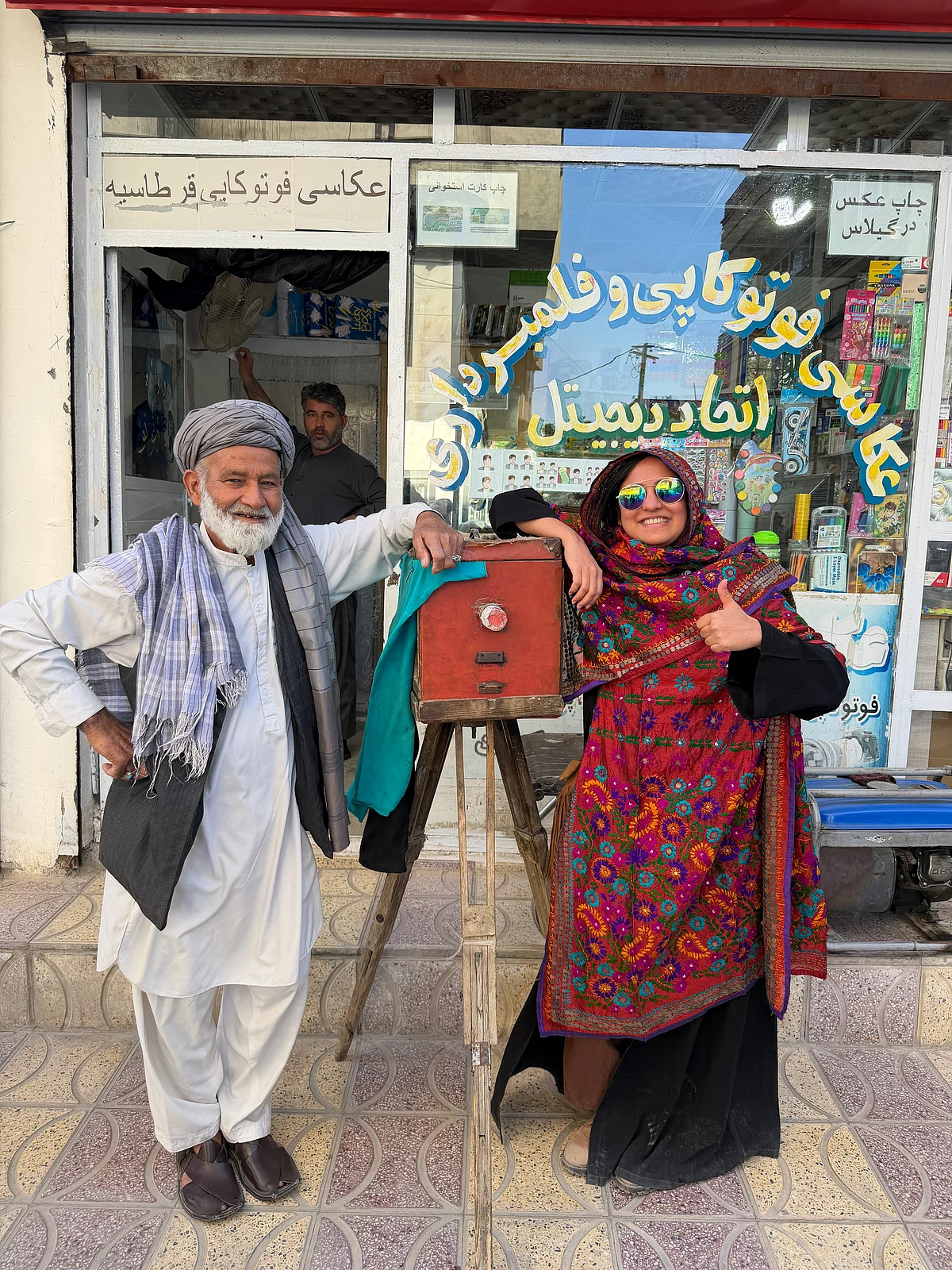
In recent years, there has been a growing trend of travelers seeking out conflict zones, political instability, and extreme poverty as their holiday destinations. These destinations include Afghanistan, Iraq, Libya, Syria, and Somalia. The motivations behind this phenomenon are varied and complex. Some travelers are drawn to the rich history and culture of these regions, while others seek to better understand countries that are often portrayed negatively in the media.
A significant number of these travelers are motivated by the thrill of adventure and the opportunity to experience something unique and extreme.
One such traveler is Ankita Kumar, who has over 600,000 Instagram followers and has visited numerous countries. For Kumar, the desire to visit countries like Iraq and Afghanistan was rooted in their history, culture, philosophy, and hospitality. Despite the unavoidable reminders of Iraq’s troubled past, such as military checkpoints, Kumar found that the most memorable aspects of her trip were the people she met.
She recalls being welcomed into homes during Ramadan, sharing meals with families who had little themselves, and meeting women who were going through difficult personal situations but still opened their homes to her.
Meenakshi Sai, another travel enthusiast with over 18,000 followers, has visited several challenging destinations, including the Democratic Republic of Congo, Timbuktu in Mali, Somalia, Somaliland, Djibouti, and Eritrea. She recently traveled to Libya, drawn by its Roman ruins and a longstanding curiosity about the country. Sai acknowledged that while curiosity and adventure were her primary motivations, thrill also played a role in her decision to visit.
She emphasized that content creation was only a small part of her motivation, stating that she travels because she is curious, loves adventure, and enjoys the thrill of visiting somewhere most people wouldn’t consider going.
However, this trend of conflict-zone travel raises uncomfortable questions about the line between curiosity, adventure, and "war tourism." While it is not uncommon for travelers to seek out new and challenging experiences, the reality of living in a conflict zone is very different from the experience of a visitor. For locals, checkpoints and war-torn cities are a daily reality, not a spectacle for an audience watching from afar.
This highlights the ethical dilemma faced by travelers who document the realities of these regions. While it is important to tell the stories of these places, it is crucial to do so in a way that respects the lived experiences of the people who call these places home. The privilege of being able to leave and reflect on the experience is something that locals do not have, and this should be a consideration in how these stories are told and shared.
Written by urgent.news from Free Press Journal's reporting — not their text. Machine-written — may contain errors; check the original before relying on it.