Dmitri Shostakovich at 120: How the icon drew on Bach, jazz, and cinema to create his own musical language
Dmitri Shostakovich was born on September 25, 1906. Probably the most famous Soviet composer, he was forced to collaborate with the state even as he suffered under its campaign against “formalism.” For many, his life embodies the plight of an intellectual in the arts and humanities under totalitarian rule. But Shostakovich’s creative life was about far more than his fraught relationship with the…
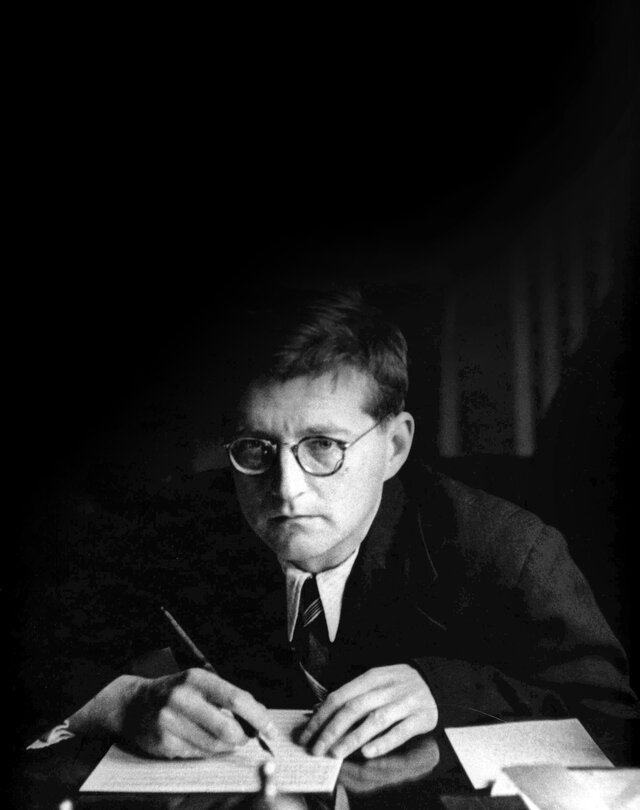
On the 120th anniversary of composer Dmitri Shostakovich's birth, it's clear he was a "fox" - unpredictable, cunning, and constantly seeking new influences. Shostakovich, born on September 25, 1906, was a Soviet composer who, despite facing constant state scrutiny, managed to create a distinct musical language through his eclectic tastes and ability to borrow from various genres.
Shostakovich's musical language was shaped by his exposure to a wide range of styles, including classical music, jazz, and film. While he admired composers like Bach, Mahler, and Schoenberg, he also drew inspiration from jazz, which was often frowned upon by Soviet authorities. He even wrote a jazz arrangement of Vincent Youmans's "Tea for Two" in 1927, showcasing his ability to incorporate popular styles into his work.
The young Shostakovich was known to play piano accompaniment for silent films, which helped him develop his ability to capture contrasting scenes, shifts in mood, and emotional counterpoint. These elements later became integral to his musical style, allowing him to reshape borrowed ideas and techniques while maintaining a unique sound.
Written by urgent.news from Meduza (English)'s reporting — not their text. Machine-written — may contain errors; check the original before relying on it.