Crews thin trees at Mark Twain Lake to help 200,000 endangered Indiana bats
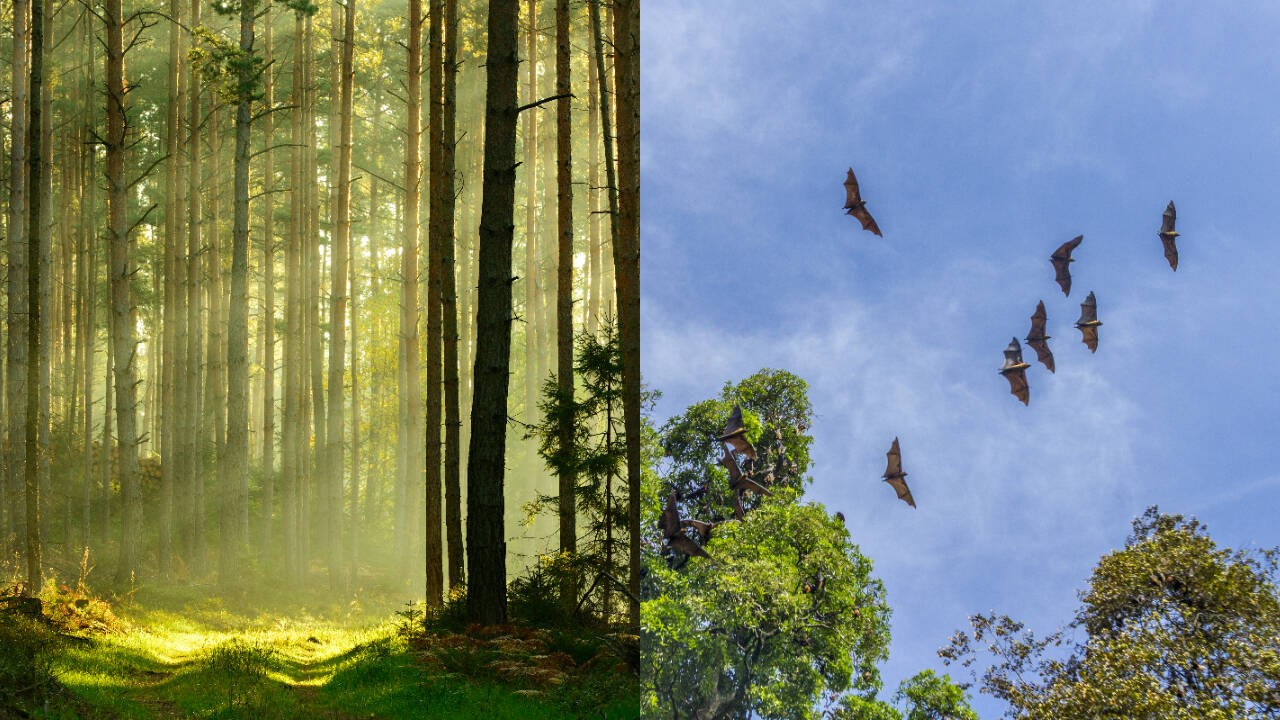
The U.S. Army Corps of Engineers, in collaboration with The Conservation Fund, is undertaking a forest stand improvement project at Missouri’s Mark Twain Lake to create a safer environment for approximately 200,000 endangered Indiana bats. The project aims to open up flight and foraging corridors that have become congested due to decades of lack of timber management.
By employing a targeted technique called hack and squirt, crews are selectively removing certain trees while preserving the overall forest structure. This method allows for the creation of snags, which are mature trees with dead branches that provide crucial roosting habitat for Indiana bats. The treatment process takes place during late summer and early autumn, when the herbicide can more effectively penetrate the trees.
Beyond benefiting Indiana bats, the project is anticipated to enhance the overall forest ecosystem by allowing more sunlight to reach the forest floor, promoting native grasses, flowering plants, and other wildlife species. The restoration efforts have already been completed on a 30-acre phase, with plans to treat over 250 acres by November 1. The wildlife management areas remain accessible to the public for recreational activities.
Brief written by urgent.news from Times of India's own syndicated text. Machine-written — may contain errors; check the original before relying on it.