China consumer stocks head for a lost decade as investors pile into AI
Weak consumer demand has emerged as a recurring theme during the latest earnings season
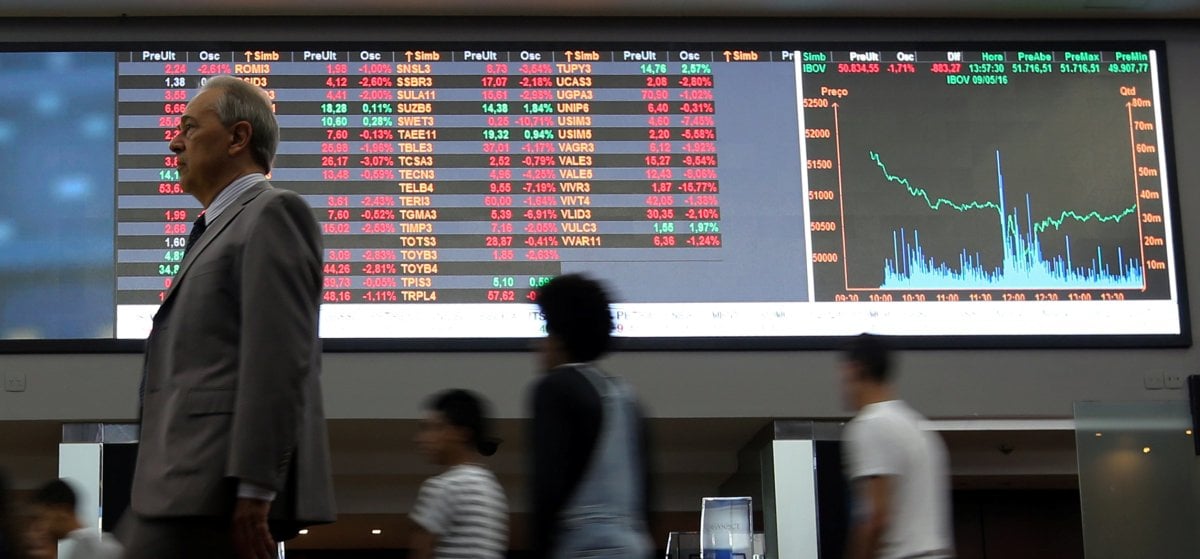
China's consumer stocks are experiencing a prolonged slump as investors flock to artificial intelligence (AI) companies, according to earnings reports during the latest season. This trend reflects Beijing's singular focus on AI, which has driven the sector's growth while dampening demand for consumer goods. MSCI China's consumer goods sub-indexes have fallen around 18 percent over the past six months, nearing 10-year lows, while the AI-heavy technology gauge has surged to nearly double its 2016 level.
During the earnings season, consumer staples firms missed profit expectations by nearly 50 percent, highlighting the sector's struggles. The malaise is attributed to China's economy being dominated by tech supremacy, with capital flowing into AI firms at the expense of domestic demand. Retail sales in August grew by just 0.4 percent, and pessimism towards the sector is unlikely to ease after the upcoming Golden Week holiday, a crucial period for travel and spending.
Analysts believe that weak consumer demand, a sluggish property market, and a lack of a compelling catalyst are keeping the sector in a "lost decade." While some investors are shifting their focus to AI beneficiaries, there are concerns that depressed valuations and capital flowing to tech may continue to weigh on consumer stocks in the short term.
Written by urgent.news from The Business Times - Companies & Markets's reporting — not their text. Machine-written — may contain errors; check the original before relying on it.
Also reported by 1 other outlet
- China’s consumer stocks trapped in a lost decade as AI boom dominates thehindubusinessline.com