Can my neighbor’s renovation affect my home, and what are my rights? I asked the experts
I asked the experts if my neighbor’s renovation can affect my home — and what to do if it does.
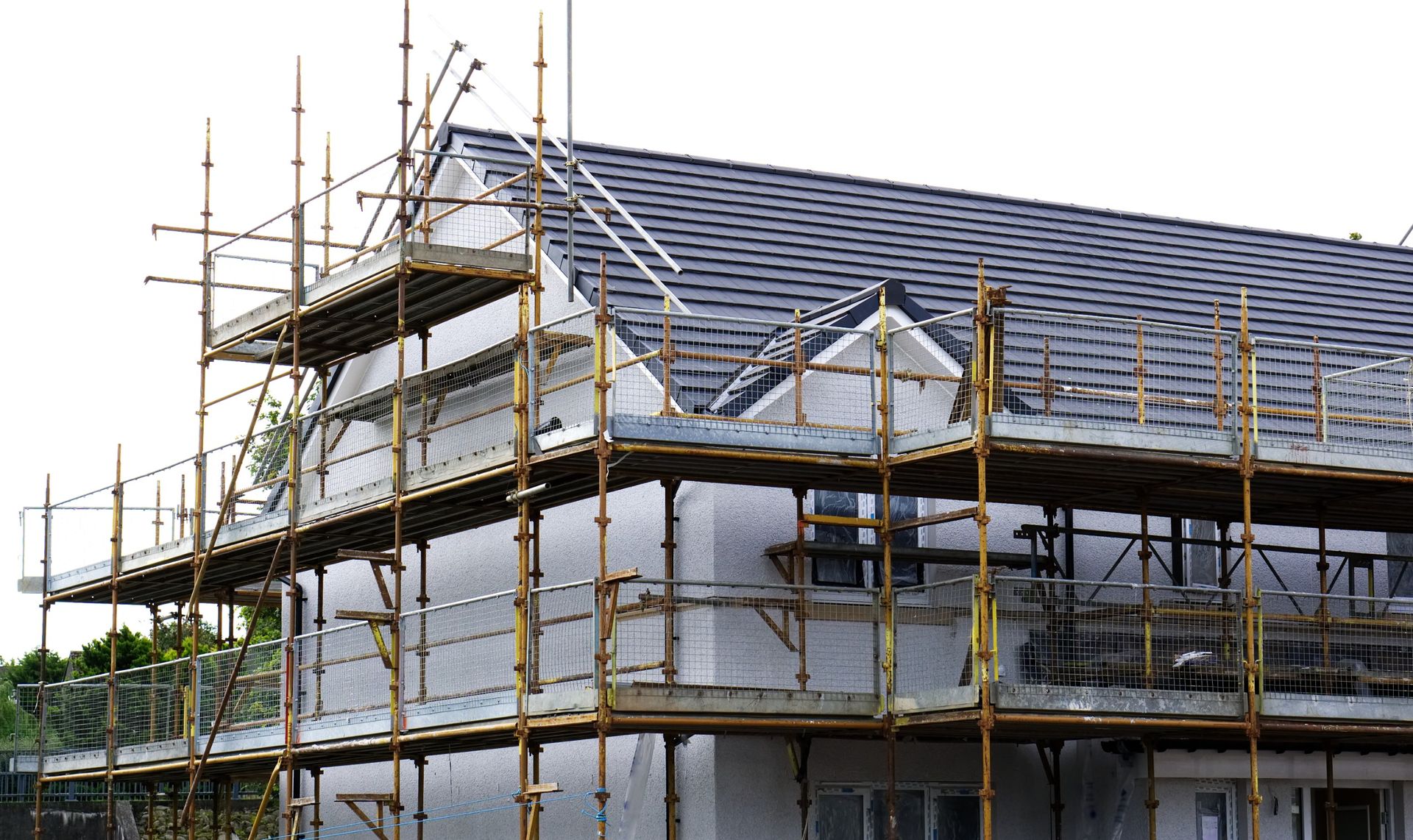
When a neighbor undertakes a renovation project, it can have various impacts on your home. The renovation can either cause structural damage or affect your quality of life. In shared homes, the risk of property damage is higher, and it can disrupt essential services like water or power supply, or lead to ceiling/wall cracks or plumbing leaks. Excessive noise from construction can also disrupt the peace of your home.
Another potential concern is the impact of water runoff. When a neighbor constructs a patio, garage, or driveway with a slope, it can lead to water flowing onto your property, especially in areas like basements where the water may appear after heavy rainfall. This can be a cause for concern as it may not be immediately obvious that the issue is related to the neighbor's construction.
Knowing your legal rights is essential if your neighbor's renovation affects your home. While legal rights may vary by state and county, there are four key rights that homeowners generally possess in relation to their property. These include the right to sue, the right to stop private nuisance, the right to protect your boundaries, and the right to enforce local codes or ordinances.
Should your neighbor's renovation encroach on your property or cause damages, you have the right to seek compensation. To support your claim, it is crucial to document and provide photographic or video evidence of the damage. Keeping a record of all conversations with your neighbor is also advisable, as this can help establish the timeline of events.
Maintaining clear and concise communication is vital, especially if the neighbor's actions involve encroachment onto your boundary line without permission. In such cases, having a recent professional survey of your property lines can be invaluable in proving your case.
When addressing the issue with your neighbor, it is essential to approach the conversation calmly and professionally. Begin by having a clear list of complaints, along with relevant building rule or state ordinance information, and propose a feasible solution to reach a compromise. It is crucial to remain composed and focused on finding a mutually acceptable resolution, as this can help maintain a positive relationship with your neighbor and avoid potential legal disputes.
Written by urgent.news from Tom's Guide's reporting — not their text. Machine-written — may contain errors; check the original before relying on it.