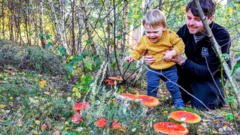
Bumblebee project seeking to help rare species
The programme to help the Moss carder species will focus on Cornwall, Kent and the North Pennines.
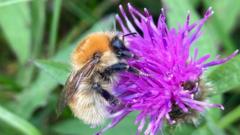
A project is underway to aid one of the UK's most threatened bumblebee species, the Moss carder bumblebee, according to the Bumblebee Conservation Trust. The three-year, £907,000 initiative, led by the trust in collaboration with the University of Cambridge, aims to recover the species across various landscapes in Cornwall, Kent, and the North Pennines.
The trust plans to work with landowners to implement small-scale habitat interventions, allowing them to identify effective strategies while gaining a deeper understanding of the species' behavior and needs. Moss carder bumblebees are typically found in small, fragmented populations, making them particularly vulnerable to habitat loss and fragmentation.
Distinguished by its velvety ginger-yellow hairs covering its body and lack of black hairs, the Moss carder bumblebee is known to forage closer to its nest than most other bumblebees, making it even more susceptible to habitat changes. Amy Plowman, head of conservation and science at the trust, expressed excitement about the ambitious project, stating that it provides a real opportunity to turn the tide for one of the UK's rarest bumblebees.
With over £530,000 in funding from Natural England's Species Recovery Programme, the project aims to take practical action to halt species decline and support nature recovery across England. Tylan Berry, Natural England's species and nature recovery networks senior officer, emphasized the importance of targeted investment in conservation efforts, highlighting the Moss carder as one of England's most threatened pollinators.
Written by urgent.news from BBC Science's reporting — not their text. Machine-written — may contain errors; check the original before relying on it.