Bihar’s ₹21,000 crore mineral reserves may generate over ₹5,000 crore annual revenue, says report
Bihar aims to revitalise its mineral economy by harnessing new resources worth over ₹21,000 crore. Geological surveys have reportedly identified valuable minerals like glauconite and gold, but challenges remain in transitioning to commercial production.
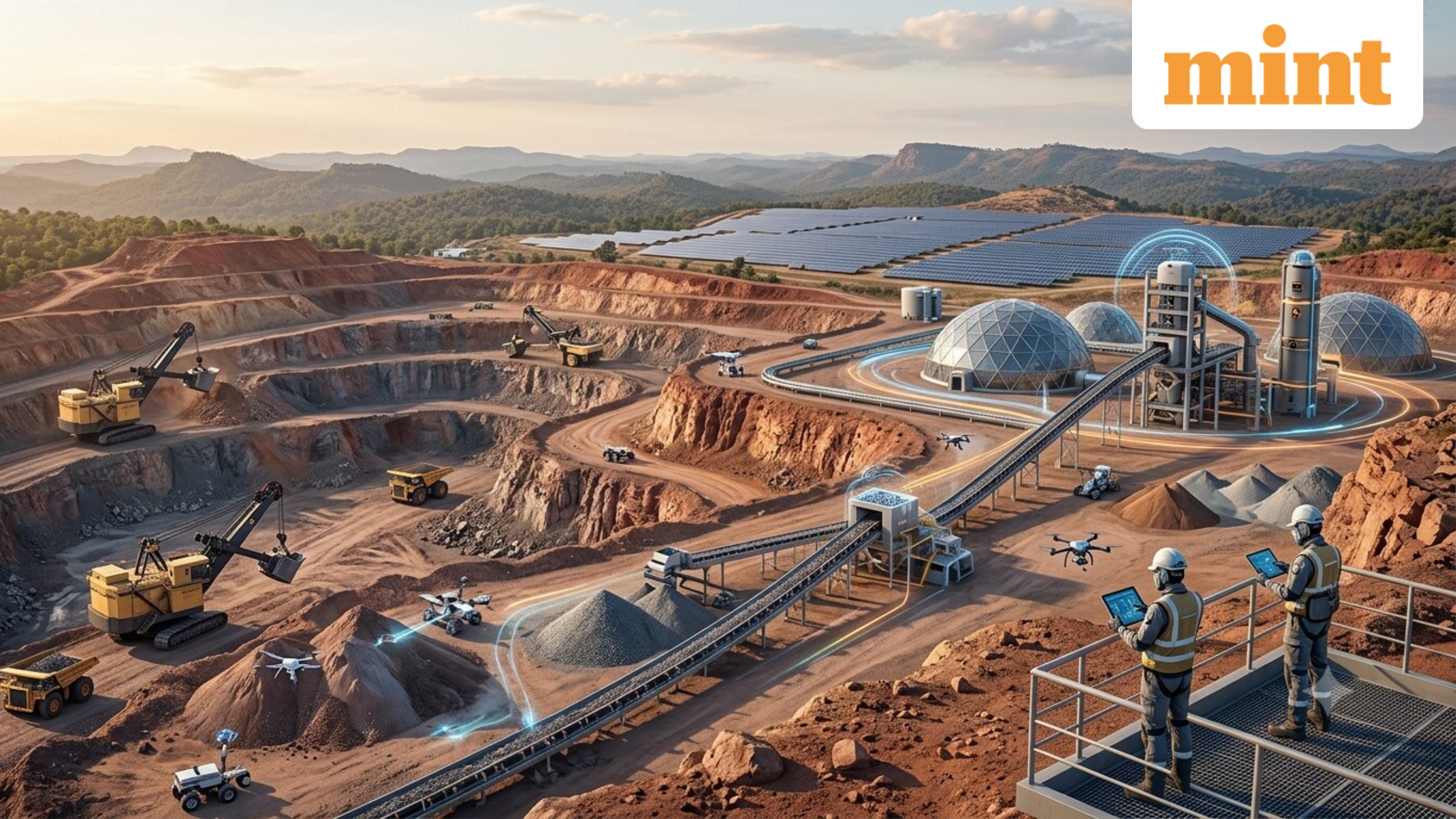
Bihar's mineral reserves, worth over ₹21,000 crore, could generate more than ₹5,000 crore annually in mining revenue, according to a recent report. The identification of these resources in Rohtas, Jamui, Gaya, and Jehanabad could significantly boost the state's economy, surpassing its current mining revenue of ₹3,592 crore, primarily from minor minerals like sand and stone.
However, transforming these discoveries into operational mines remains a major challenge. Rohtas alone accounts for around 130.11 million tonnes of glauconite, valued at ₹14,048 crore, which can be used in fertiliser production. The block also contains high-grade limestone, valued at ₹1,761.42 crore, widely used in cement manufacturing.
The Amjhor pyrite deposits in Rohtas represent nearly 95% of India's known pyrite resources, used in sulfuric acid production and other industrial processes. Jamui has potential for magnetite and gold mining, while Sono area is explored for gold-bearing resources. Gaya and Jehanabad have identified vanadium-bearing magnetite, ilmenite, rare earth elements, and lithium-bearing pegmatites, which have applications in strategic industries.
The state plans to move towards commercial extraction of these minerals between 2026 and 2031, with exploration, auctions, clearances, and lease execution to be completed during this period. However, challenges such as capital-intensive processing technologies, land acquisition, illegal mining, and obtaining necessary clearances need to be addressed to fully capitalize on these discoveries.
Written by urgent.news from Live Mint's reporting — not their text. Machine-written — may contain errors; check the original before relying on it.