Beyond Bollywood: Regional Cinema Puts Marginalised Stories In The Spotlight
Picture this! Star-crossed families of a young couple in love seem to relent to the wishes of the lovers and allow them to run away into the sunset as intriguingly emotional music reaches the heavens in a screaming prayer to allow love to succeed amidst a plethora of challenges. Cut to a sleepy, mundane, little Mumbai courtroom in Chaitanya Tamhane’s film Court as one of the most boring public…
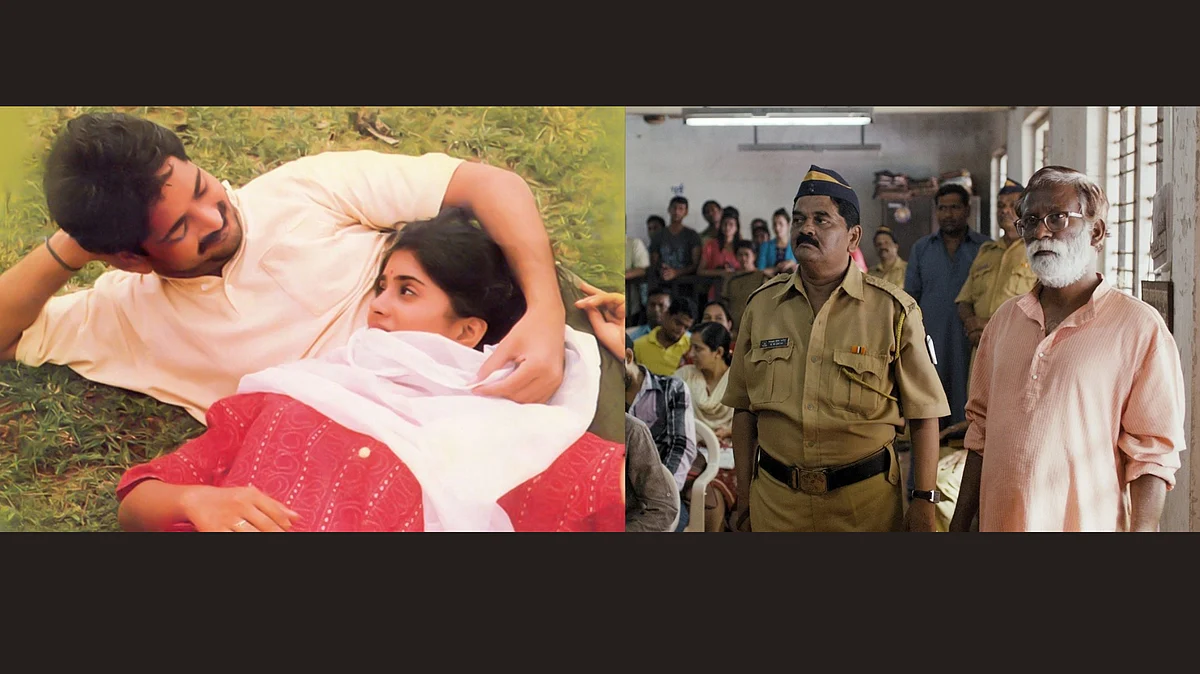
Regional cinema in India is gaining prominence by showcasing marginalized stories, moving away from traditional Bollywood star-driven films. Filmmakers in Maharashtra and Tamil Nadu are focusing on communities often overlooked, including rural, Dalit, nomadic, and other marginalized groups. This shift away from the selective amnesia of mainstream cinema has led to more authentic portrayals of caste, class, and cultural politics.
Chaitanya Tamhane’s film "Court" exposes the bureaucratic and indifferent nature of the legal system, which often serves to oppress the vulnerable rather than protect them. Similarly, "Jai Bhim" directed by T.J. Gnanavel illustrates how the legal system can become a weapon against marginalized communities, crushing their rights.
Filmmakers like Nagraj Manjule, Mari Selvaraj, and Pa Ranjith are challenging the status quo by giving voice to marginalized communities. Manjule's "Fandry" tackled the issue of caste through simple human interactions, while Selvaraj's "Maamannan" used the metaphor of pigs to highlight the dignity and independence of Dalit lives. Ranjith’s films, such as "Sairat," "Madras," and "Kabali," have not only explored caste and love politics but also achieved massive commercial success.
The success of these films has challenged the commercial landscape and demonstrated that stories about marginalized communities can be both politically uncompromising and financially viable. This shift has been fueled by state subsidies, institutional support, and critical acclaim, allowing independent regional cinema to gain international recognition and reach prestigious film festivals.
Written by urgent.news from Free Press Journal's reporting — not their text. Machine-written — may contain errors; check the original before relying on it.