‘Army of Robots’: Ukraine turns to machines for its most dangerous missions
In a bold move to boost military efficiency, Ukraine is unveiling the 'Army of Robots' initiative, focusing on automation for the battlefield. This program is set to enhance the use of robotic systems in various military operations. Particularly, unmanned ground vehicles are being adopted for logistics, evacuation, and combat support. The initiative aims to minimize human casualties while…
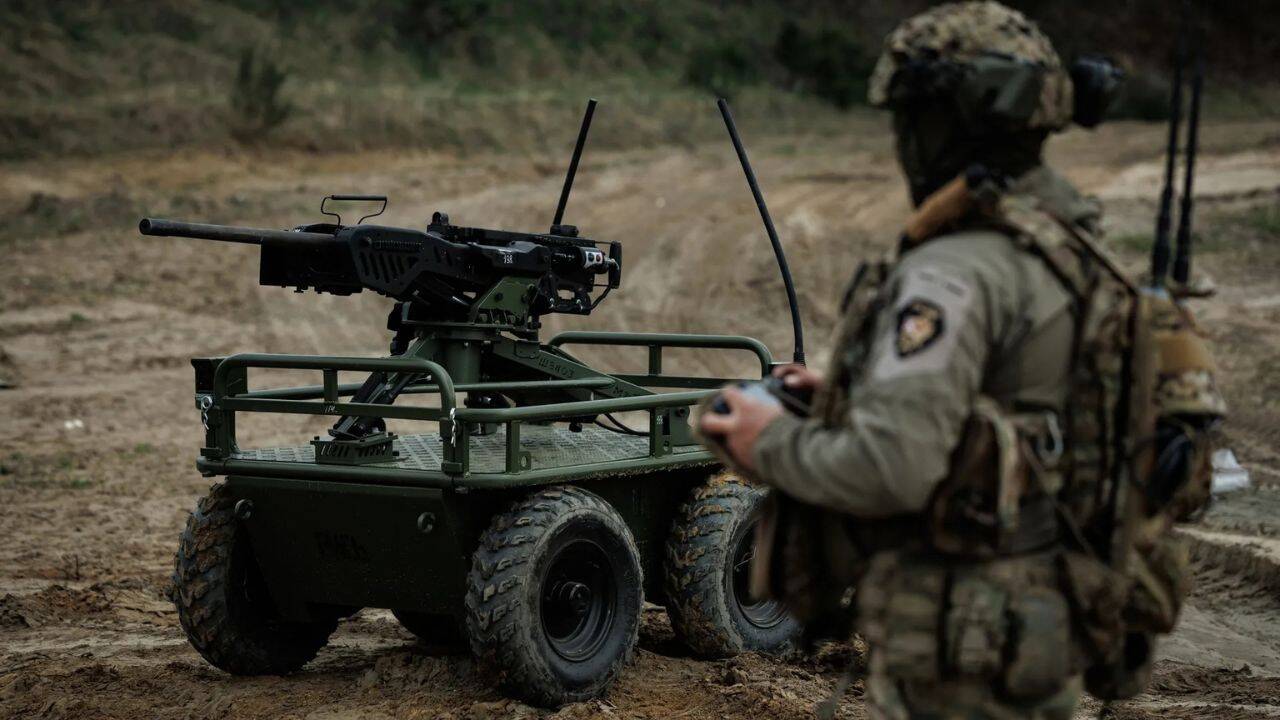
Ukraine is expanding its utilization of robots in combat operations, as former Defense Minister Mykhailo Fedorov unveiled an "Army of Robots" initiative on September 26. The project aims to develop robotic systems for high-risk military tasks, leveraging Ukraine's experience with drones and extending unmanned warfare to ground operations.
Fedorov emphasized the initiative's focus on reducing soldiers' exposure to danger, with potential applications ranging from reconnaissance and ammunition transport to mine clearing and strike missions.
The "Army of Robots" model builds upon the success of Ukraine's "Army of Drones," which helped accelerate the development and deployment of unmanned aerial systems during the Russian invasion. Fedorov's plans include the creation of humanoid robots for basic battlefield tasks, as well as robotic platforms that will complement drones for reconnaissance, logistics, and combat operations.
Already, Ukrainian forces are employing unmanned ground vehicles (UGVs) in increasing numbers. According to the Ministry of Defense, UGVs performed over 25,000 logistics and evacuation missions in August 2026, bringing the cumulative total since the start of the year to approximately 112,000. These systems have been employed to deliver supplies, evacuate wounded soldiers from high-risk areas, and transport ammunition and food.
The rapid adoption of UGVs is driven by the need to keep troops away from increasingly dangerous frontline zones. Ukraine's Defense Procurement Agency reported that nearly 22,000 UGVs had been contracted by July, nearly double the number contracted in 2025. These vehicles are primarily used for logistics, ammunition delivery, casualty evacuation, and other missions that do not involve direct engagement with enemy forces.
The use of robotic systems in warfare is gaining traction due to their ability to reduce casualties, lower manpower requirements, and enhance operational effectiveness. NATO research has identified these factors as key drivers for the adoption of robotic and autonomous systems. The U.S. Army is also expanding its use of unmanned systems, citing the potential to increase lethality while minimizing risk to personnel.
Written by urgent.news from Times of India's reporting — not their text. Machine-written — may contain errors; check the original before relying on it.