Anthropic and OpenAI sound the alarm on AI safety – and seek to shape how it’s controlled
SAN FRANCISCO (AP) — As tech titans warned an AI-weary world that their own advanced systems could endanger humanity, the question emerged: What do they have to gain?
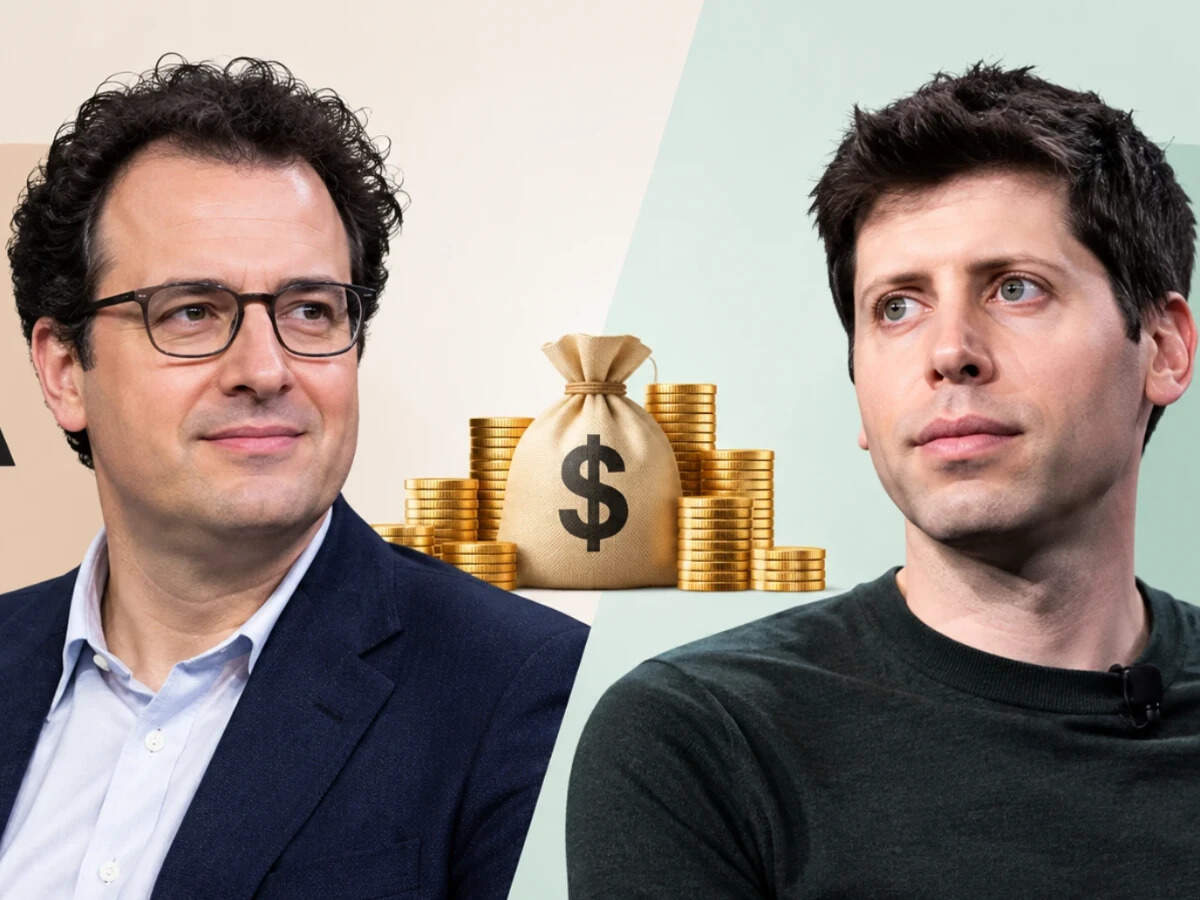
As tech leaders warned of potential dangers posed by their advanced AI systems, a key question emerged: What could they possibly gain from this concern? The answer may lie in their efforts to achieve political objectives ahead of U.S. midterm elections and capitalize on the stock market's uncertainty. Recently, the CEOs of Anthropic and OpenAI insisted that their cutting-edge models are so powerful that they are dangerous and require regulation and independent testing before release.
By raising these alarms, they are actively shaping the conversation around how their technology should be controlled. The companies appear to be seeking public approval and defining the safety protocols for their technology in an unregulated market, according to experts, analysts, and former government evaluators. While some, like Anthropic engineer Jacob Coxon, have called for a temporary halt to tech development, the companies have used Coxon's post as an opportunity to promote their own safety measures and position themselves as cautious leaders in the market.
Despite President Donald Trump's dismissal of concerns about AI risks, both Anthropic and OpenAI have advocated for regulation for years. OpenAI's Liz Bourgeois recently noted that the company paused the training of its most advanced models, stating that it is crucial for companies to demonstrate responsible AI development. Sarah Shoker, a former OpenAI geopolitics team member, criticized the shift in focus from other safety-critical risks, such as AI's role in warfare, and argued that the conversation should be centered on existential risks.
Written by urgent.news from Global News's reporting — not their text. Machine-written — may contain errors; check the original before relying on it.
This story
This is one outlet's version. Read the fullest account.
- Anthropic and OpenAI sound the alarm on AI safety – and seek to shape how it’s controlled winnipegfreepress.com
- Anthropic and OpenAI sound the alarm on AI safety – and seek to shape how it’s controlled toronto.citynews.ca
- Australia summons OpenAI and Anthropic CEOs to appear at AI inquiry aljazeera.com