ANALYSIS: How the taxi industry wins when the state weakens
The testimony of Joe ‘Ferrari’ Sibanyoni at the Madlanga Commission is a reminder of how powerful the taxi industry, and elements of it, have become in our society.
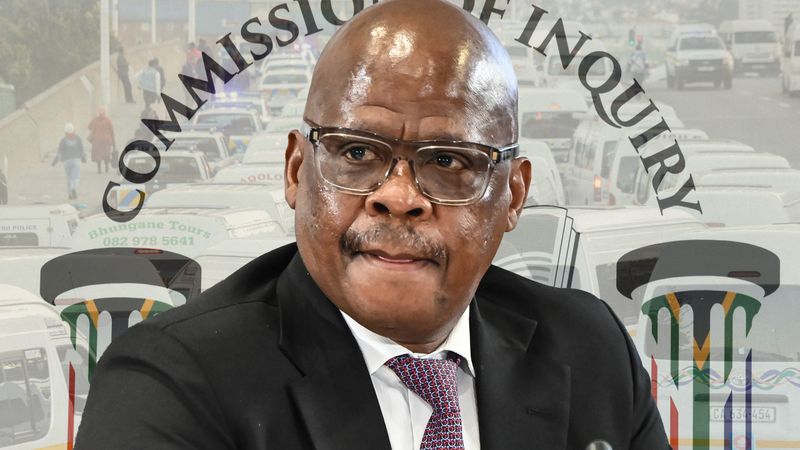
The testimony of Joe "Ferrari" Sibanyoni at the Madlanga Commission reveals the immense power and influence of the taxi industry in South African society. This industry wields significant control over various aspects, including the police, politics, and the rule of law.
Sibanyoni, a respected figure in his community, testified that he is not involved in the killings plaguing the industry, despite references to "hits" and "izinkabi" in his communications. This highlights the blurred line between the taxi industry and criminal elements.
The taxi industry's power stems from its close ties to the police, as officers interact daily with industry members and live in the same communities. This close relationship allows taxi bosses to receive protection and grow their businesses by amassing capital through taxi ownership or shares. The lack of alternative avenues for self-advancement for black people in townships has driven many to enter the taxi industry.
As the industry expands, it expands into other services, blurring the line between legitimate business and criminal activities. This leads to the formation of security companies, providing essential services to maintain the industry's dominance.
The taxi industry's influence extends to politics, with EFF leader Julius Malema suing a political opponent for allegedly accepting gifts from a taxi boss. The industry also wields significant power in the judiciary, as seen when Sibanyoni was allowed to leave a court after facing extortion charges due to the magistrate's perceived influence.
In times of violence, such as the jailing of Jacob Zuma in 2021, the taxi industry proved to be a stabilizing force, effectively managing security and command and control in affected areas. Even bus companies like Intercape have faced attacks from the taxi industry, with the industry attempting to weaken their competition by targeting their transportation routes and buses.
Written by urgent.news from Daily Maverick's reporting — not their text. Machine-written — may contain errors; check the original before relying on it.