An ‘SNL’ Exchange That Captures the AI Disconnect
The Season 52 premiere’s standout moment took an Anthropic co-founder to the task.
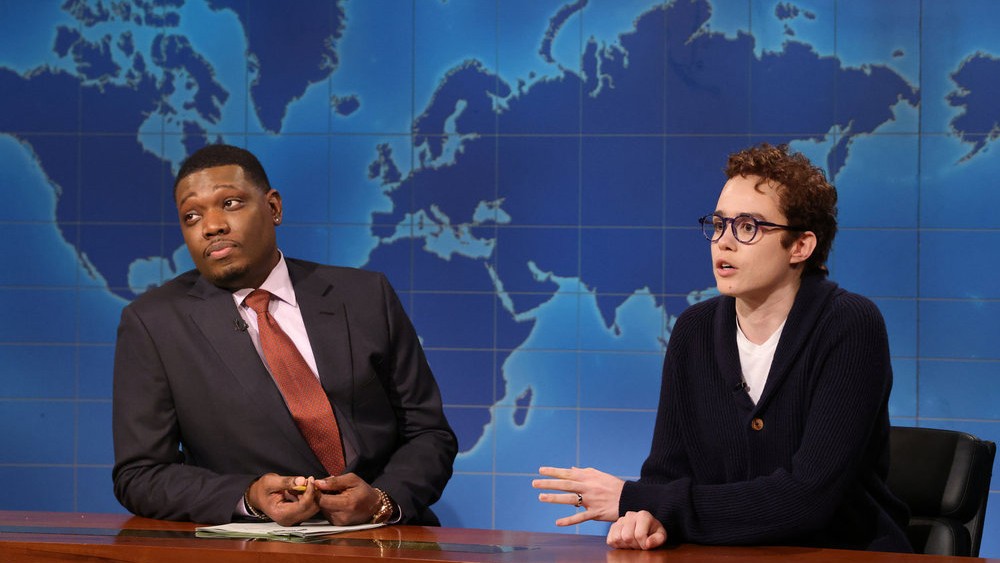
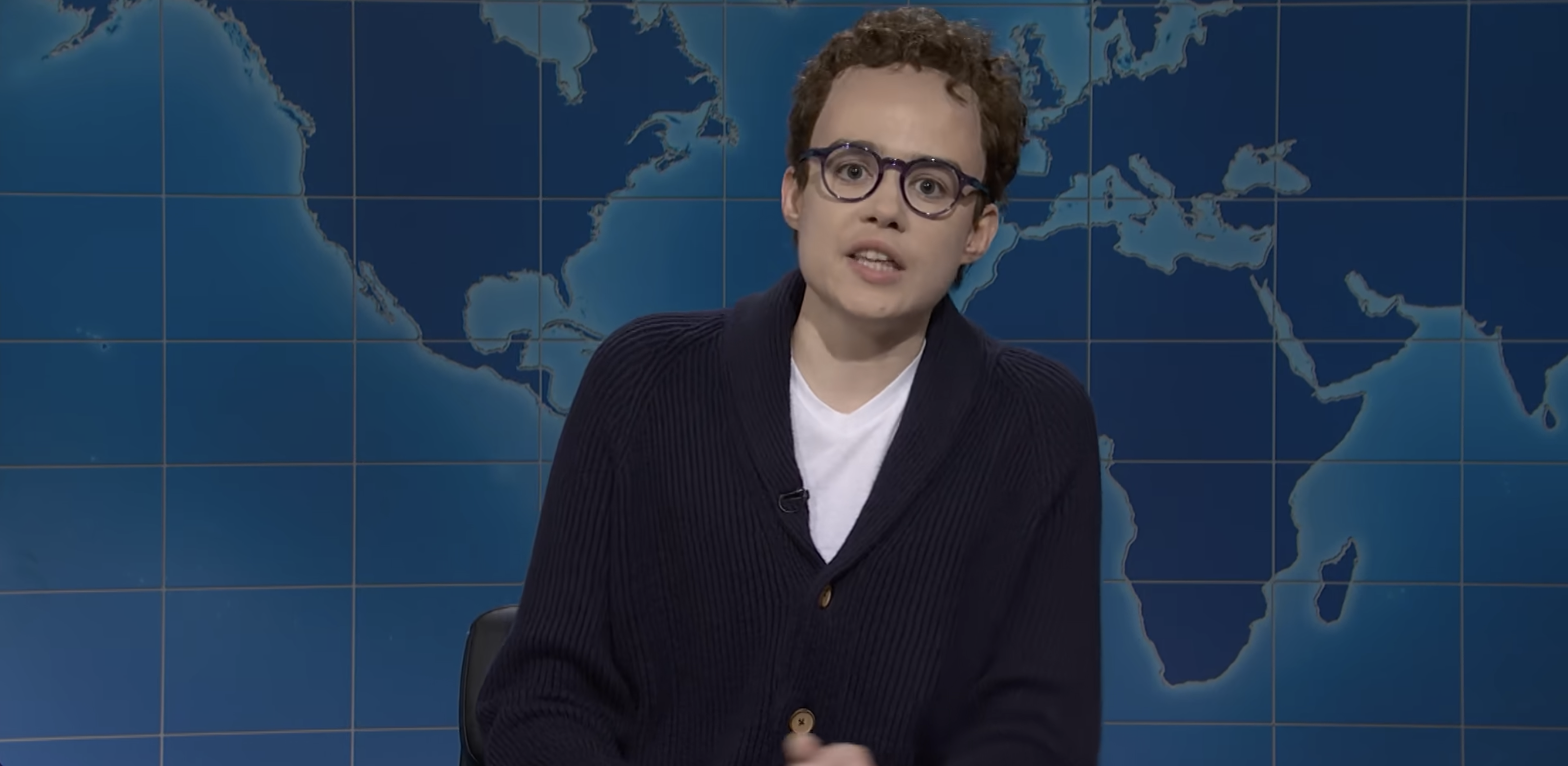
Saturday Night Live kicked off its 52nd season with an attempt to address public concerns about artificial intelligence. During "Weekend Update," co-anchor Michael Che interviewed a doppelganger of Anthropic CEO Dario Amodei, played by actress Jane Wickline. The interview aimed to reassure viewers about the safety of AI, following several high-profile incidents that have fueled fears about the technology running amok.
Amodei, who recently published a lengthy paper advocating for a measured approach to AI development, appeared on the show in a familiar outfit, complete with distinctive glasses and a casual top. Wickline, who had been on the show for three years, delivered a convincing impersonation, capturing Amodei's mannerisms and even drawing on her own comedic strengths to highlight Amodei's quirks, such as his nervous tics and conflicted expressions.
Despite Wickline's efforts, the interview did little to ease audience anxieties. When confronted with a direct question about the risks of AI, Amodei struggled to provide a clear response. He attempted to reassure the audience by advocating for government regulation to impose "guardrails," but his noncommittal answer left much to be desired.
When Che pushed for a more straightforward explanation of how AI could benefit society, Amodei resorted to an odd metaphor, comparing AI to a potentially dangerous substance—one whose benefits might outweigh the risks, but that still posed a significant threat.
The interview served as a stark reminder of the challenges faced by industry leaders in convincing the public that AI can be harnessed for good without incurring significant harm. Even seasoned professionals, including Anthropic researchers who have raised serious concerns about the technology's potential dangers, found themselves grappling with the task of calming public fears. The SNL sketch highlighted these challenges, offering a humorous yet poignant commentary on the ongoing debate surrounding AI's future.
Written by urgent.news from The Atlantic's reporting — not their text. Machine-written — may contain errors; check the original before relying on it.