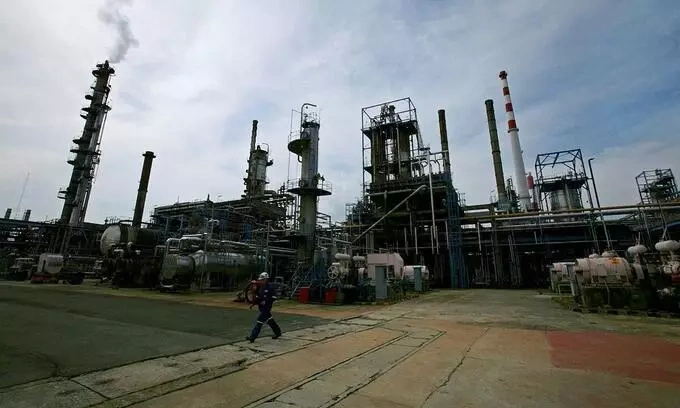
Airlines in Southeast Asia's 2nd largest aviation market hit by soaring jet fuel
AirAsia and other budget airlines serving Thailand, the second largest market in Southeast Asia in number of seats, face renewed pressure on costs and cash flow following the increase of global jet fuel prices.
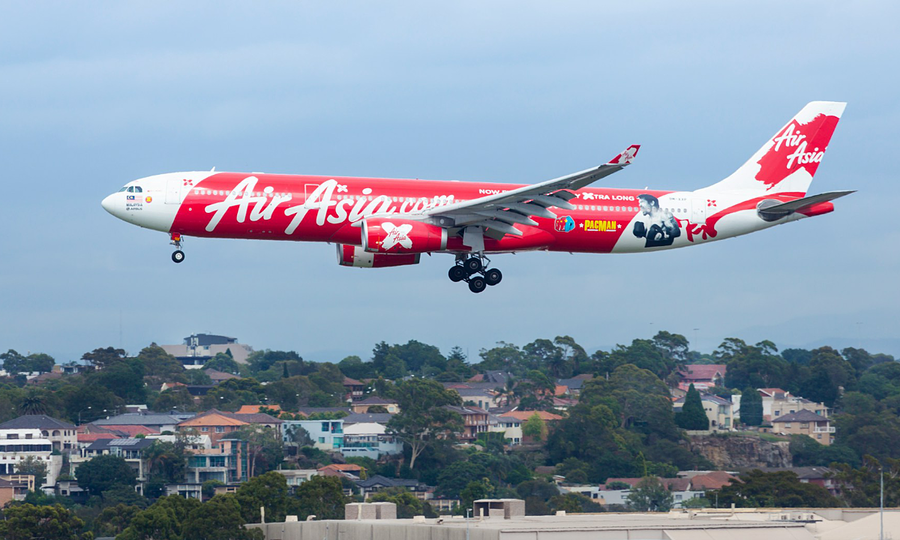
Southeast Asia's aviation market, the second largest in the region, faces a challenge as soaring jet fuel costs threaten airlines' profitability and operations. AirAsia, a major player in the region, is grappling with the impact of the rising fuel prices, which have pushed operating costs to as high as 60% for low-cost carriers like AirAsia, according to the Civil Aviation Authority of Thailand.
AirAsia co-founder Tony Fernandes, who advised the airline, revealed that the company cannot pass on the increased fuel costs to already-booked customers due to the rise in fuel prices from US$85 per barrel to US$200 per barrel, following the U.S.–Iran war. He stated that he cannot ask customers for additional money or alter fare structures retroactively.
Fernandes also mentioned that the airline is restructuring its costs, with new booking fares adjusted upwards by 20–25% or more to account for higher fuel expenses. This comes at a time when fuel typically accounts for 25–30% of operating costs, but has now risen to 60% for low-cost carriers.
The fuel crisis, unlike the Covid-19 pandemic disruption, has no clear end date as it is dependent on the ongoing war. Despite the challenges, some airlines, such as Thai Airways International, have taken steps to mitigate the impact of the rising fuel costs. The carrier has hedged 40–50% of the fuel it expects to use in 2026, helping it manage the financial risks associated with the fuel price increase.
In the short term, airlines are tightening cost controls, suspending routes, and adjusting fares to reflect the higher fuel expenses. Domestic flights are particularly vulnerable due to Thailand's tax structure, which makes fuel more expensive for low-cost carriers operating on domestic routes. Despite the higher fares, domestic flights in Thailand are still averaging high load factors during the low season, suggesting that passengers are accepting or adapting to the increased costs.
Written by urgent.news from VnExpress Business's reporting — not their text. Machine-written — may contain errors; check the original before relying on it.
Also reported by 1 other outlet
- Which country is Southeast Asia's largest oil importer? e.vnexpress.net