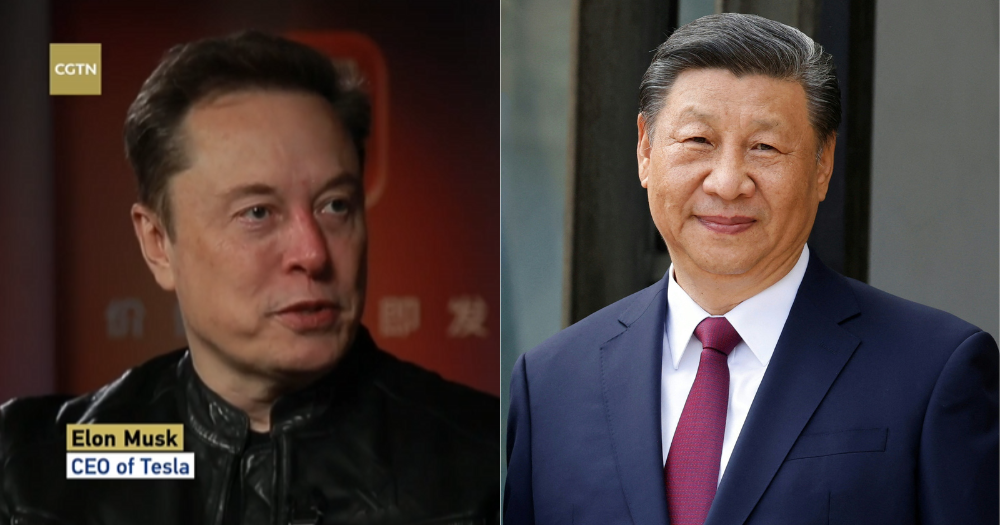
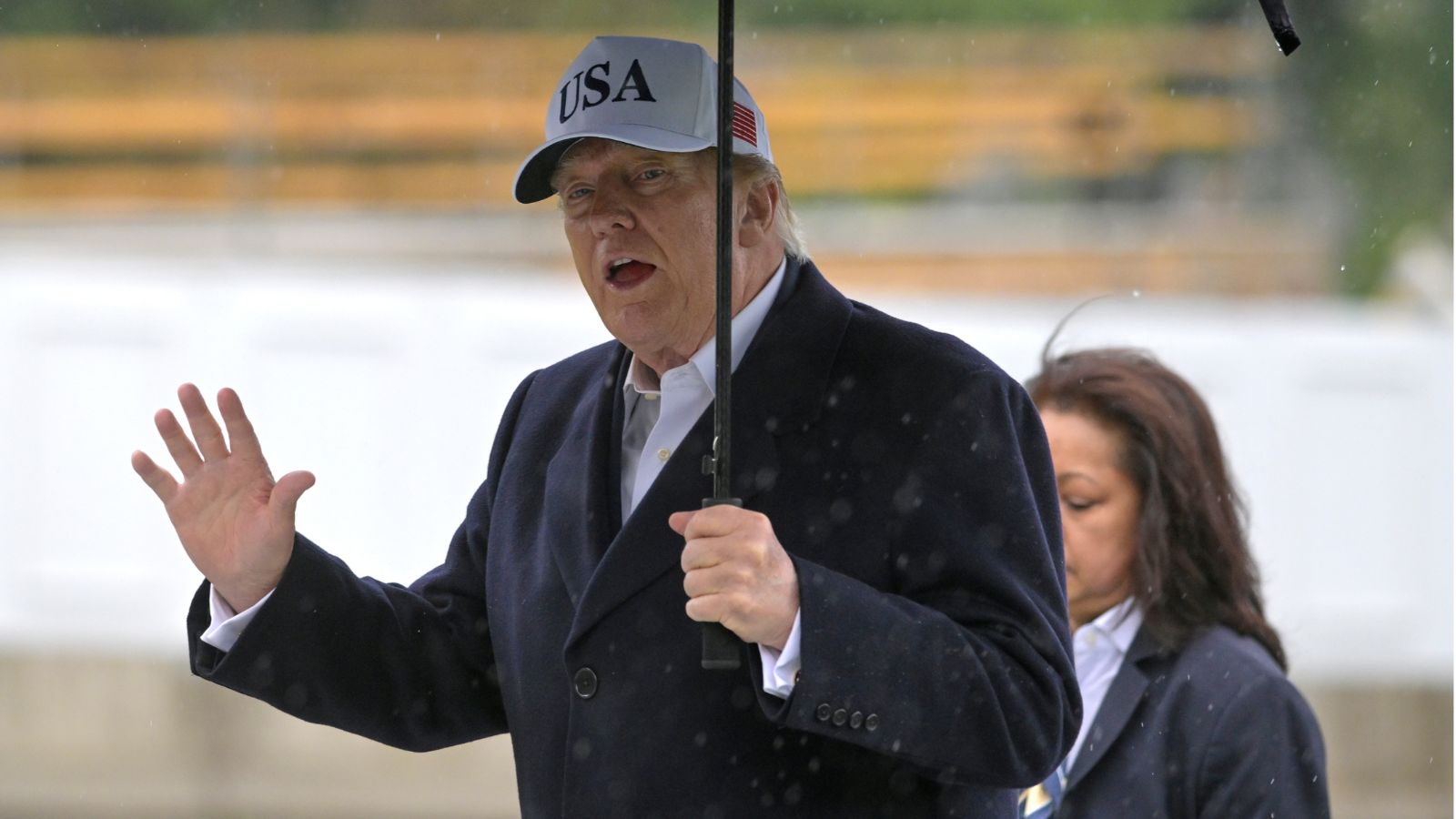
Why Xi Jinping skipped the UN after his Trump summit
Han Zheng, China’s vice-president, called on “major countries” to respect the sovereignty and security of Middle Eastern nations and bring about a two-state solution for the “Palestinian question” on Saturday at the UN General Assembly (UNGA) in an implicit dig at the US and Israel. This came as some analysts questioned why Chinese President Xi Jinping opted not to address the global body given…
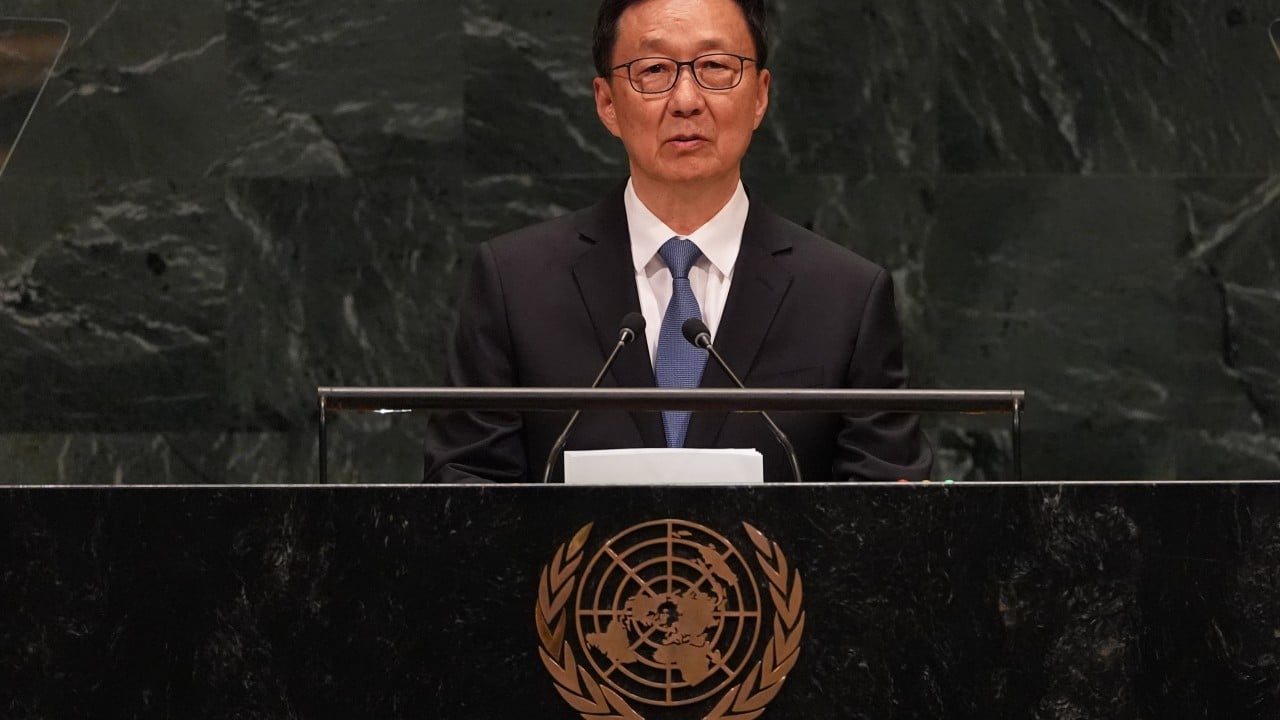
Chinese Vice-President Han Zheng urged "major countries" to respect the sovereignty and security of Middle Eastern nations during the UN General Assembly (UNGA) meeting on Saturday, seemingly targeting the US and Israel. This stance raised questions about President Xi Jinping's decision not to address the global body during his recent three-day summit with US President Donald Trump in Washington.
Despite China's long-standing emphasis on the UN's importance and active efforts to build soft power, Xi has only made a personal appearance at the UN annual General Assembly gathering once, in 2015, to mark the 70th anniversary. In contrast, other senior officials, such as Han and Foreign Minister Wang Yi, have represented China in the past.
China's priorities currently seem to lie more in relations with Washington than in multilateral issues. Analysts have pointed out that Xi's absence from the UN could be due to both the short distance between New York and Washington, and China's long-standing position on the UN's significance, as well as its focus on USA relations, which mirrors a similar summit hosted by China for Trump in May.
China has been promoting global development, security, civilisation, and governance initiatives at the UN to promote prosperity, stability, mutual trust, and procedural justice. However, these initiatives may not be enough to fill the void left by the US, as the country's favourability has declined globally, particularly in the wake of its "America first" policies, such as damaging tariffs, military adventurism, and threats against allies.
While China attributes its emergence and what it perceives as America's decline to overstretching, it has been relatively stingy in providing resources to support its vision, unlike some other global leaders.
Written by urgent.news from South China Morning Post's reporting — not their text. Machine-written — may contain errors; check the original before relying on it.