Why Russia is sending dead princes and saints into battle
As Russian troops on the front lines of eastern Ukraine are digging in for another winter, they are receiving an unusual form of support: the remains of a warrior prince who fought for Moscow more than six centuries ago. A fragment of the remains of Dmitry Donskoy, a prince celebrated in Russia for his victory … The post Why Russia is sending dead princes and saints into battle appeared first on…
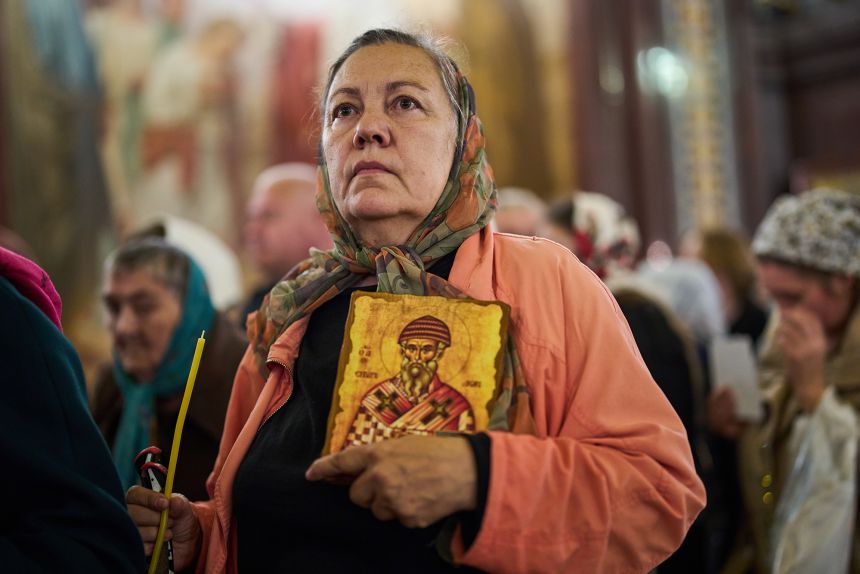
As Russian forces in eastern Ukraine brace for a harsh winter, an unusual form of assistance has arrived: the bones of a historic Russian warrior prince. In early September, fragments of Dmitry Donskoy’s right hand, commemorated for his 1380 victory at Kulikovo, were dispatched to military bases within Ukrainian territory. The Moscow Patriarchate’s military department claims the saintly commander will "shoulder to shoulder" alongside Russian soldiers, their spirits bolstered by the presence of a revered relic.
The church asserts the hand fragment wielded the same sword Donskoy famously wielded at Kulikovo. This deployment of religious symbolism marks a significant shift in Russia's war narrative, as Moscow seeks to portray its campaign as a "righteous" and divinely endorsed cause. With the church and state now effectively merged, the Orthodox Church has become a powerful instrument of Kremlin propaganda, leveraging religious relics to galvanize troops and the populace.
Orthodox Christians comprise roughly two-thirds of the Russian population, and the deployment of sacred relics aligns with the government's strategy to portray Russia as a defender of its territory, rather than an aggressor. The timing of Donskoy's remains' discovery and transportation is particularly fortuitous, as the prince's bones were unearthed at the Kremlin's Archangel Cathedral in August, mere weeks after unverified reports surfaced regarding the loss of relics associated with the medieval ruler Alexander Nevsky.
Written by urgent.news from Egypt Independent's reporting — not their text. Machine-written — may contain errors; check the original before relying on it.