Why Pakistan’s endless war on militants fails to break the cycle
For over two decades, Pakistan has waged countless counterterrorism campaigns against Taliban and Baloch insurgents in its western regions bordering Afghanistan and Iran, yet remains mired in a cycle of violence it cannot break. Scores of soldiers, policemen and civilians are killed every month in Pakistan’s northwestern Khyber Pakhtunkhwa and southwestern Balochistan provinces, where near-daily…
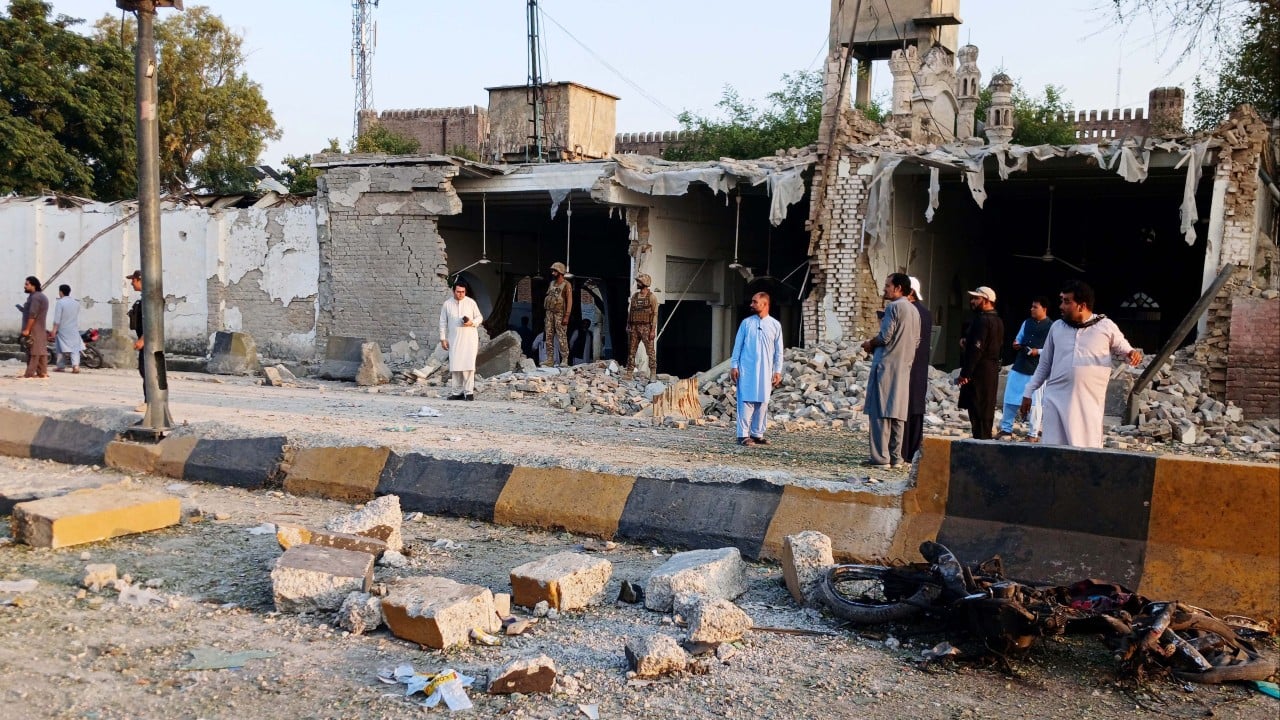
For over two decades, Pakistan has been engaged in a seemingly endless war against insurgents such as the Taliban and Baloch separatists along its borders with Afghanistan and Iran. This conflict has resulted in countless casualties, with scores of soldiers, policemen, and civilians losing their lives each month in the northwestern Khyber Pakhtunkhwa and southwestern Balochistan provinces.
Militants carry out near-daily attacks on security personnel, government officials, and prominent figures, employing a range of tactics like roadside bombs, drones, ambushes, and kidnappings to undermine the state's authority. Despite Pakistan's military claiming success in eradicating hundreds of militants each month, these victories have not translated into long-term stability, according to analysts.
Farwa Aamer, director of South Asia initiatives at the Asia Society Policy Institute, emphasizes that force alone is insufficient to curb security issues. Instead, a political solution and dialogue are necessary to break the cycle of violence. However, such a solution is not expected to materialize overnight. Pakistan's border with Afghanistan has long been exploited by armed groups seeking sanctuary, smuggling goods, and providing support to insurgents.
In recent years, this has led to retaliatory airstrikes against Taliban camps in eastern Afghanistan, claiming dozens of lives. The most recent incident occurred on Monday, when Pakistani jets struck TTP safe havens in Afghan Paktika and Kunar provinces, killing 28 militants, including suspected suicide bombers. This came after a mosque attack on September 18 claimed at least 31 lives and injured over 100 in the northwestern town of Kohat.
The Pakistani government has accused Afghanistan of harboring terrorists, while Afghanistan denies these claims. The escalating cycle of violence highlights the limitations of Pakistan's reactive approach to counterterrorism, which has failed to address root causes like poor governance and local grievances. Analysts argue that a more comprehensive strategy, considering both domestic and international dimensions of the conflict, is essential to break this intergenerational issue of instability.
Written by urgent.news from South China Morning Post's reporting — not their text. Machine-written — may contain errors; check the original before relying on it.