Waymo Self-Driving Taxi Review | Making peace with autonomous driving technology
A safe and smooth self-driving Waymo taxi ride through San Francisco’s hilly roads forced me to recognise the tremendous potential of autonomous ride hailing services
On October 27, 2025, a tragic incident occurred in San Francisco when a self-driving Waymo car ran over a cat named KitKat. News of the cat's death garnered worldwide attention, as KitKat was killed by a Waymo self-driving electric taxi operated by Google's parent company, Alphabet. The company operates a fleet of autonomous taxis that are gradually being introduced in cities across the United States.
While residents expressed concerns over Waymo's safety standards and erected a memorial for KitKat, advocates of autonomous vehicles argued that self-driving robots could potentially reduce animal fatalities caused by human-driven vehicles. During my recent experience with this technology, I took a ride from my hotel to a nearby metro station in San Francisco.
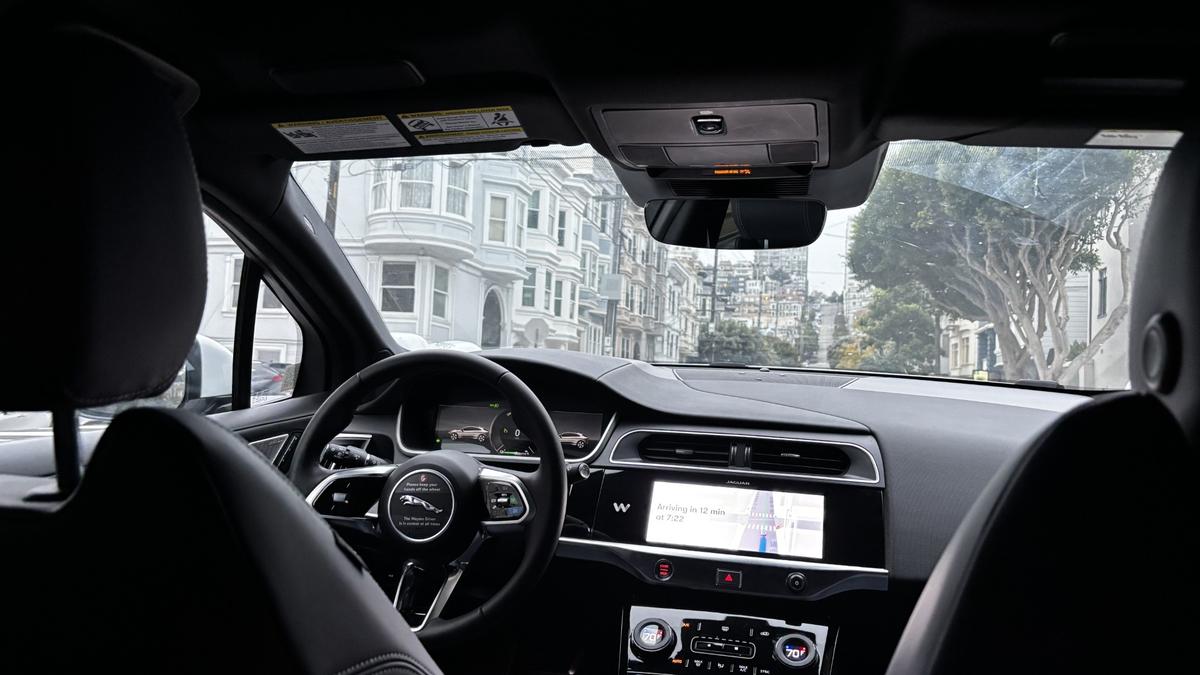
To hail a Waymo robotaxi, one simply downloads the Waymo app, sets up their profile and payment information, and selects the pick-up and destination points. The ride pricing is higher than that of human-operated taxis, and although the app may take some time to load, it is easy to use. The Waymo vehicle that picked me up was a Jaguar, with a sleek, comfortable interior and scent-free environment.
The user interface featured two main screens: one at the front displaying journey status, traffic navigation, estimated arrival times, safety announcements, and media settings, and another wider screen for those seated at the back. I enjoyed ambient music throughout my ride, and had the option to listen to my preferred media via Spotify and YouTube.
The car's default temperature was set to a warm level for the chilly morning, but riders could adjust the temperature according to their preferences. The car's steering wheel moves on its own as the vehicle moves along its route, creating the illusion of being driven by an invisible chauffeur. Although there were brake and accelerator pedals, they did not visibly move during the ride.
To ensure safety, the Waymo car is equipped with sensors and cameras that monitor the cabin and surroundings, and the vehicle handles traffic signals and speed limits diligently. The ride itself was smooth, even on steep roads, and the Waymo car safely navigated the roads, avoiding rollbacks and braking at stop signs. Upon reaching my destination, the car waited for a few minutes before departing if I did not exit within the expected timeframe.
In summary, while I was initially apprehensive due to previous news reports about Waymo's safety, my actual experience proved that autonomous driving technology has the potential to significantly reduce human error and enhance passenger comfort during travel.
Written by urgent.news from The Hindu - Sci-Tech's reporting — not their text. Machine-written — may contain errors; check the original before relying on it.