War has returned to Ethiopia’s Tigray — and former enemies are now fighting together. What changed?
Nearly four years ago, a peace deal ended the brutal war in Ethiopia’s northern Tigray region, one of the deadliest conflicts of the 21st century. Now, the violence has returned — but the battle lines have changed. Tigrayan rebels are again fighting the federal government, while forces that were once enemies are now fighting side … The post War has returned to Ethiopia’s Tigray — and former…
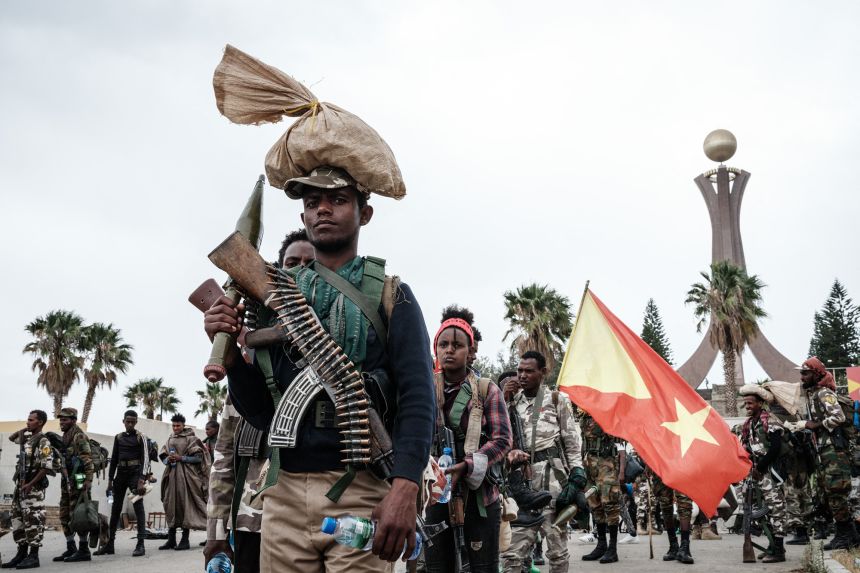
Nearly four years after a peace deal brought an end to a brutal war in Ethiopia’s Tigray region, the violence has resurfaced. However, the nature of the conflict has shifted. The Tigrayan rebels are once again clashing with the federal government, while forces that were once adversaries are now cooperating. On Wednesday, Tigrayan forces captured three airports previously controlled by the federal government, and fighting also erupted in neighboring Amhara and Afar regions.
This unrest has shattered the 2022 peace agreement that concluded a conflict estimated to have claimed around 600,000 lives. Tensions between the federal government and Tigray’s leaders had been escalating for months, with conflicting accounts of who initiated the most recent fighting. Tigray’s regional government claims federal forces launched the attack and ordered its forces to respond, describing it as a "defensive war."
In contrast, Getachew Reda, an adviser to Ethiopian Prime Minister Abiy Ahmed, asserts that the Tigray People’s Liberation Front (TPLF) initiated an "all-out offensive" against government positions in Afar and Amhara, seizing three airports in Tigray and accusing them of "irresponsibility to new heights." The renewed violence follows almost two months of smaller clashes.
According to the Armed Conflict Location & Event Data Project (ACLED), hostilities between Tigrayan and federal forces began near Ethiopia’s border with Sudan on August 1. Both sides have accused each other of starting these initial clashes. Since then, federal drone strikes and Tigrayan troop deployments have been reported, with Tigrayan forces moving tanks and artillery southward this month.
The national carrier Ethiopian Airlines has halted all flights to Tigray following the airport seizures. So, how did Ethiopia arrive at this point? The TPLF once held immense political power in Ethiopia, dominating a coalition that governed the country for nearly three decades, despite Tigrayans constituting a relatively small portion of the population.
This changed following the rise of Prime Minister Abiy in 2018, following years of anti-government protests. Abiy implemented political reforms and reached a historic peace agreement with Eritrea, for which he later received the Nobel Peace Prize. However, relations with the TPLF deteriorated when Abiy replaced the old ruling coalition with his Prosperity Party in 2019; the TPLF refused to join.
Despite objections from Addis Ababa, Tigray proceeded with its own regional vote in November 2020. Tigrayan forces subsequently attacked federal military bases in the region, prompting Abiy to dispatch troops and Eritrean forces, along with fighters from Amhara, to join the federal army. By the time the two-year conflict concluded, millions of people had been displaced, and parts of Tigray fell into famine. Both sides faced allegations of severe human rights abuses.
Written by urgent.news from Egypt Independent's reporting — not their text. Machine-written — may contain errors; check the original before relying on it.