This is what happens to protein when you overcook it
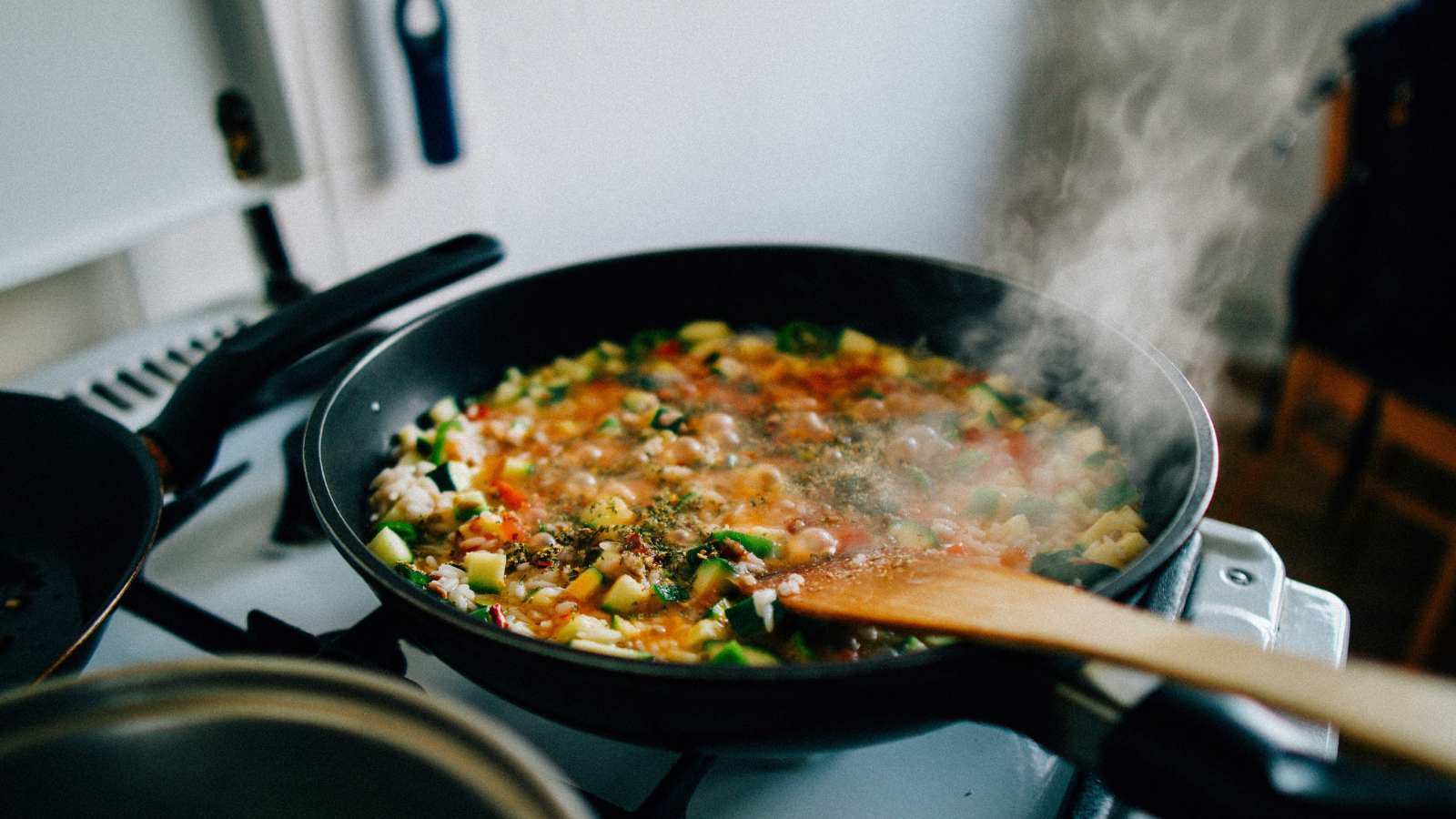
Overcooking protein has consequences beyond simply breaking down its molecular structure. When food is heated excessively, protein molecules can become overly denatured, making them harder for the body to digest. Deepa Mishra, a dietician at Narayana RN Tagore Hospital, explains that charred or burnt foods contain carcinogenic substances, and high-heat protein forms harmful compounds like heterocyclic amines and polycyclic aromatic hydrocarbons, both of which diminish nutritional quality and safety.
Dietician Shalini Bliss from PSRI Hospital adds that the problem typically arises when protein-rich foods like eggs, chicken, fish, paneer, or legumes are exposed to very high temperatures for extended periods. While denaturation is a normal process that makes protein more digestible, prolonged or intense heating can make certain amino acids less accessible to digestive enzymes, reducing the body's efficiency in processing the protein.
The impact of overcooking varies depending on the specific food, its cooking temperature, duration, and method. Texture is a noticeable effect, with chicken or fish becoming dry and tough, eggs rubbery, and protein-rich foods generally losing palatability. While cooking protein thoroughly is essential for food safety and digestibility, excessive cooking can reduce nutritional and sensory quality. Using moderate heat and stopping once the food is properly cooked preserves its nutritional and sensory value.
Written by urgent.news from The Indian Express - Lifestyle's reporting — not their text. Machine-written — may contain errors; check the original before relying on it.
Also reported by 1 other outlet
- This is what happens to protein when you overcook it indianexpress.com