The US wants the world to pick a side on AI. But for many countries, China’s pitch may be more compelling
Hong Kong — The rapid advances of Chinese artificial intelligence over the past year seem to have alerted Washington to the real possibility that the world’s second-largest economy could pull ahead of the United States in an increasingly tight technology race. “We’re leading China in AI…and frankly, I want to keep it that way, because whoever … The post The US wants the world to pick a side on…
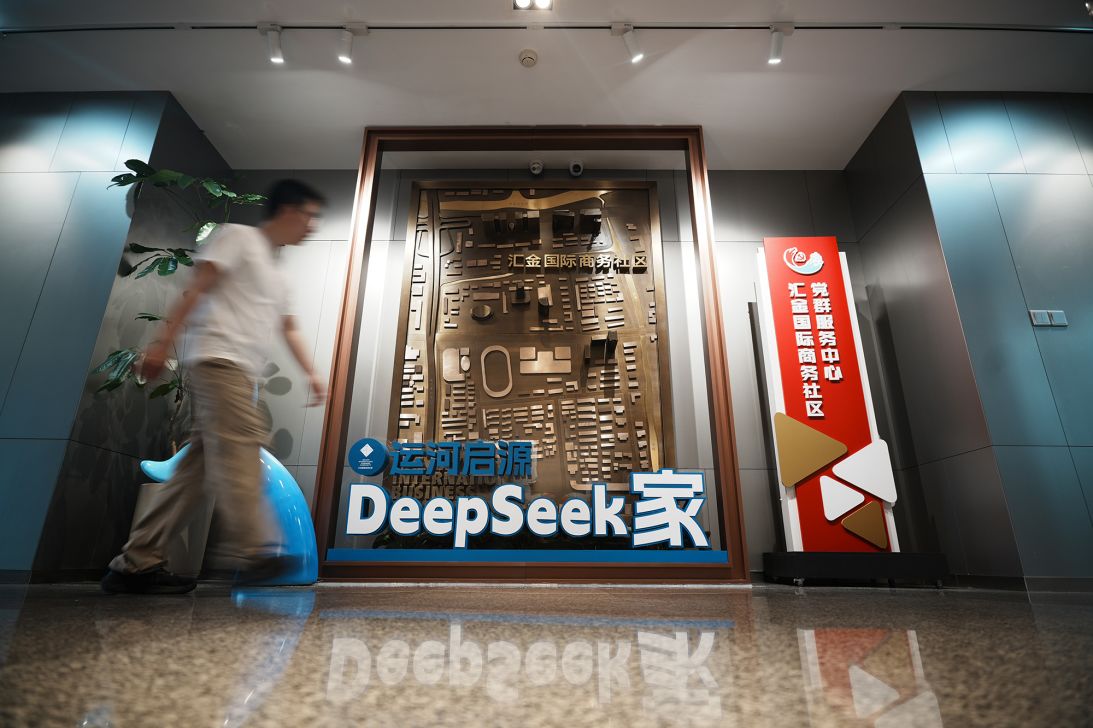
The United States is warning the world that China may soon overtake it in artificial intelligence (AI) if the current technology race continues. President Donald Trump recently declared that the US wants to maintain its lead in AI, stating "whoever wins AI wins." Washington's AI dominance stems from having top AI labs, cutting-edge chips, and ample investment. As a result, the US is attempting to compel various countries to align with its perspective on AI.
In contrast, China has an alternative vision for AI that may be more alluring to many nations. While the US leads in frontier AI models, China is swiftly closing the gap by promoting more accessible and cost-effective open systems. In July, Chinese President Xi Jinping inaugurated the World Artificial Intelligence Cooperation Organization, a rival to the US-led Pax Silica alliance that aims to bolster open models and affordability.
China has managed to attract 29 countries, including Russia, Indonesia, and Pakistan, under this alternative approach.
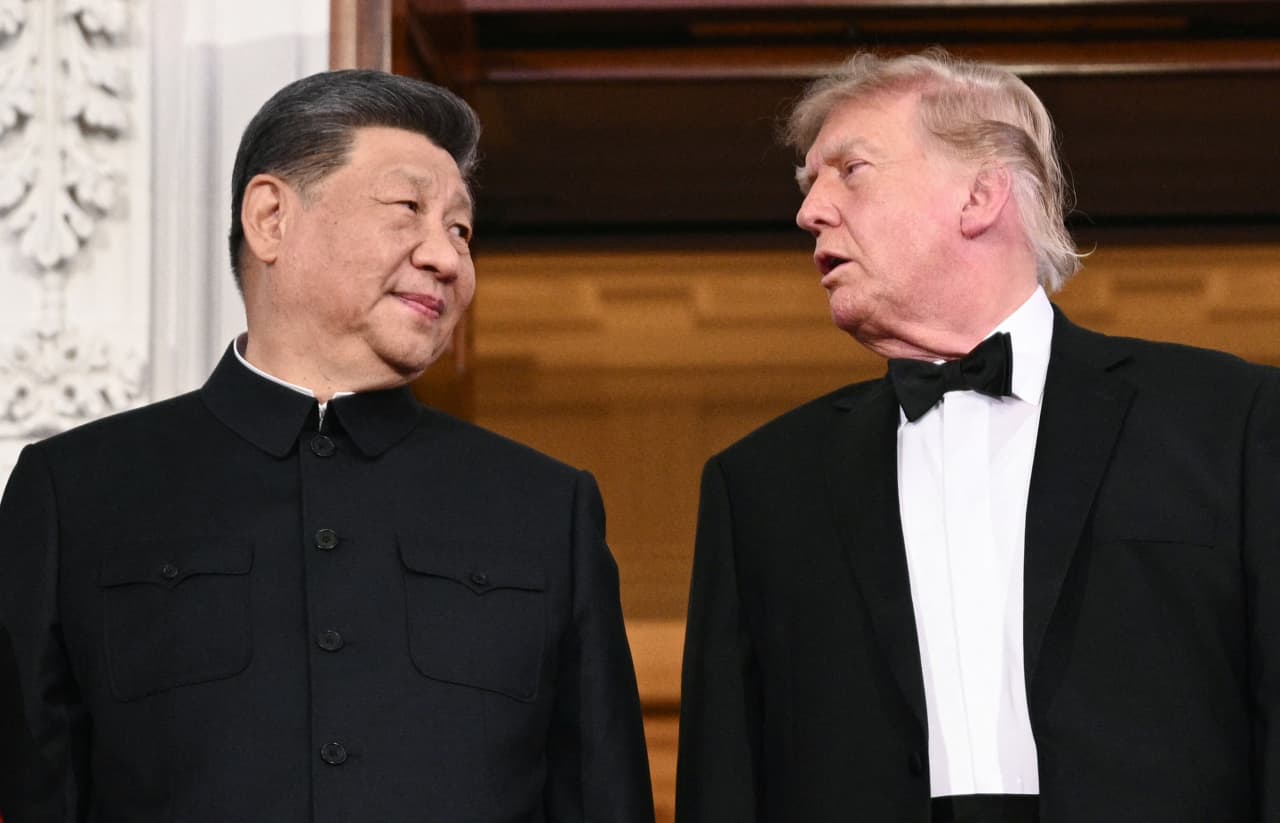
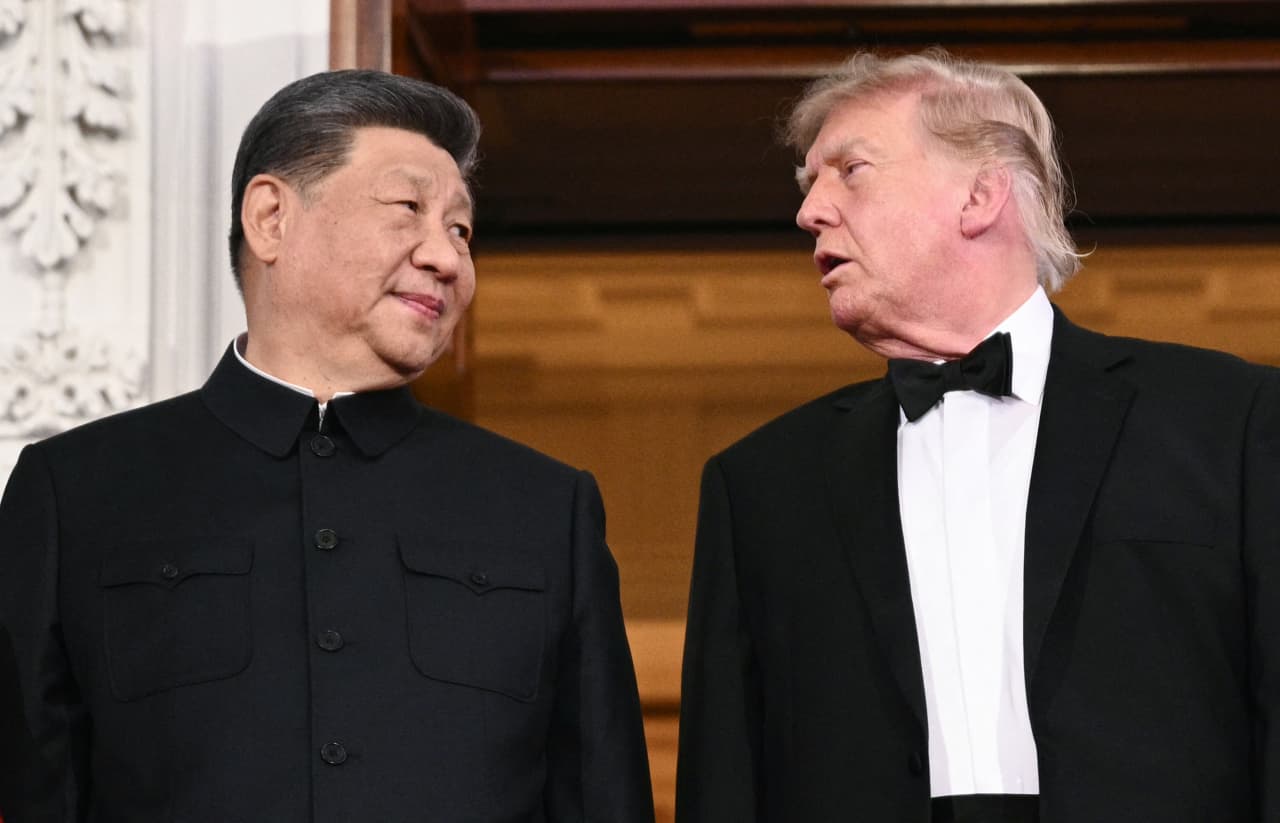
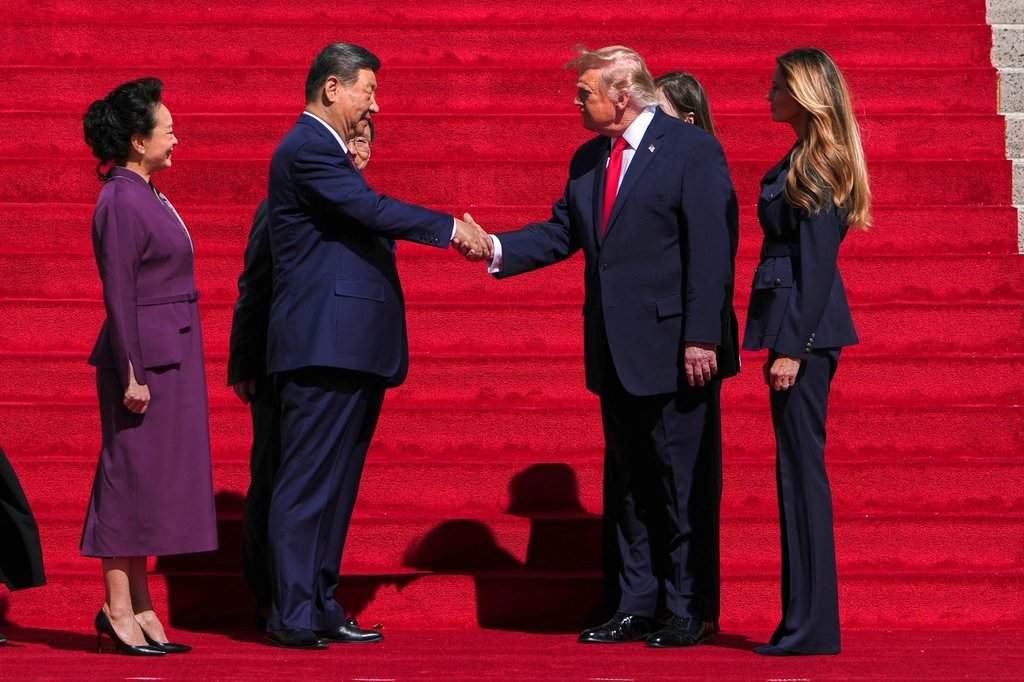
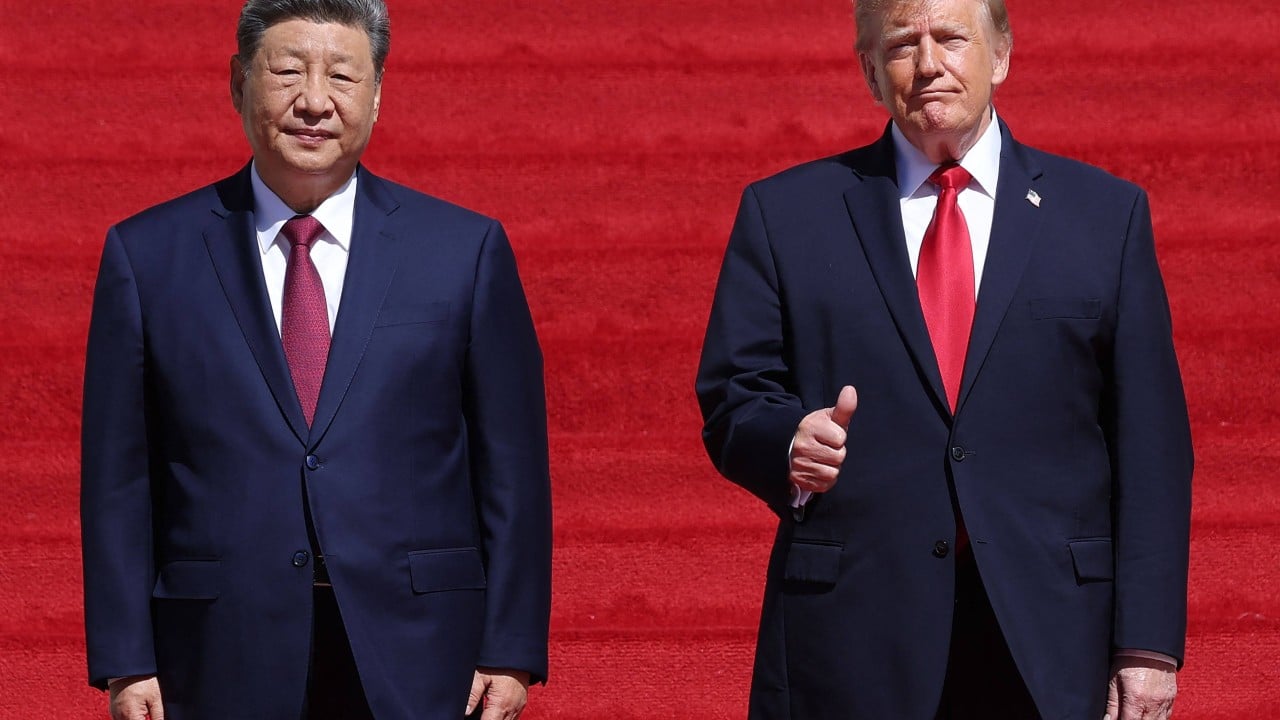
For developers in developing nations, cheaper Chinese AI models, such as DeepSeek or Moonshot, may offer more value than slightly more capable systems that require expensive subscriptions and access to US cloud providers, according to Eric Olander, editor-in-chief of The China-Global South Project. As AI becomes a more pressing issue, with calls for global oversight, the technology was a central point of discussion at the recent Trump-Xi summit.
Xi proposed that both sides should utilize each other's strengths instead of competing against one another, referring to US efforts to limit technology exports and potential AI restrictions. However, the summit achieved minimal progress beyond establishing a formal dialogue and communication channel, highlighting the persistent mistrust due to differing visions on AI.
Chinese openness to open systems is not a top-down strategy but rather a response to US export controls and smaller capital markets. This shift has proven successful as Chinese AI models have seen a significant increase in global usage from less than 15% last year to over 54% last week. Even American companies have adopted Chinese models, valuing the benefits of open systems, such as cost savings and greater customization options.
Written by urgent.news from Egypt Independent's reporting — not their text. Machine-written — may contain errors; check the original before relying on it.