The tradwife debate is really about control
The tradwife has entered the conversation. Instagram showcases her baking bread, doing laundry, and extolling the virtues of domestic bliss—a counterpoint to the girlboss who is always working, and always tired. Is this tradwife-versus-girlboss conflict simply the latest version of the mommy wars of the 1980s and 1990s , when women’s personal choices about paid work and caregiving became public…
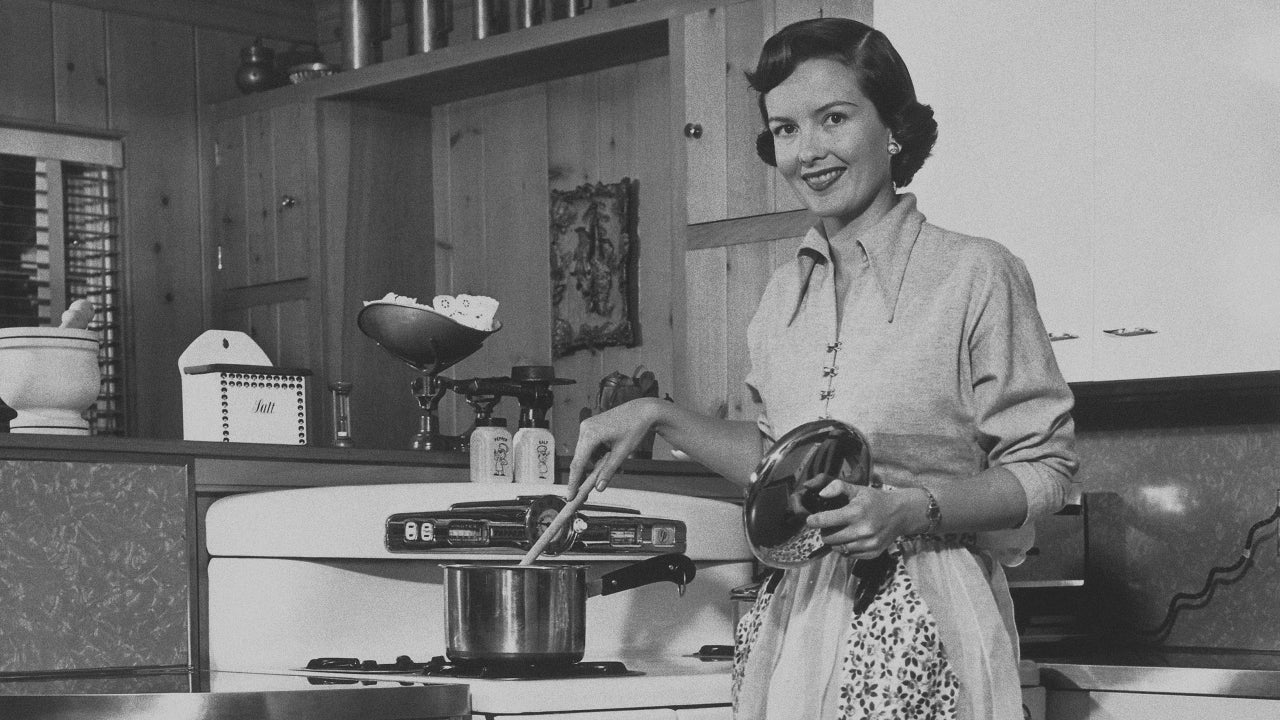
The discussion surrounding the tradwife phenomenon extends beyond lifestyle choices, revealing a deeper concern: women's desire for control over their lives. In today's world, dual-income families have become commonplace, yet traditional expectations at home persist, and often, intensify as women face the double burden of paid work and household chores.
This may explain why the tradwife image has grown in popularity as inflexible workplace structures contribute to burnout and drive women away from the workforce. Many women associated with the tradwife aesthetic are actually working women who monetize their domestic life through social media platforms. This complicates the distinction between "tradwives" and "girlbosses," as both groups leverage their public personas to craft lifestyles that offer them a sense of control.
When Gen Z women were asked about tradwives, they generally viewed these women positively, not seeing them as oppressed. However, when asked about the perceived riskiness of Sarah's lifestyle—depicted as a traditional homemaking role—ratios showed that Sarah's situation was perceived as 41% riskier if she was a married tradwife compared to simply enjoying domestic activities.
The tradwife aesthetic appears to be a response to disillusionment with modern workplace structures, reflecting a longing for control over one's time and life, rather than a nostalgic yearning for the past. Employers should take note of this trend, as women are seeking alternatives that provide them with greater freedom and autonomy.
The tradwife movement may indicate a desire for workplaces to offer more flexible arrangements that accommodate caregiving and work, rather than a demand for women to abandon their careers entirely.
Written by urgent.news from Fast Company's reporting — not their text. Machine-written — may contain errors; check the original before relying on it.