The Economics of the €20 Indie Game
How much does a €20 indie game really make? Explore platform fees, taxes, discounts, development costs, and why audience size matters more than price.
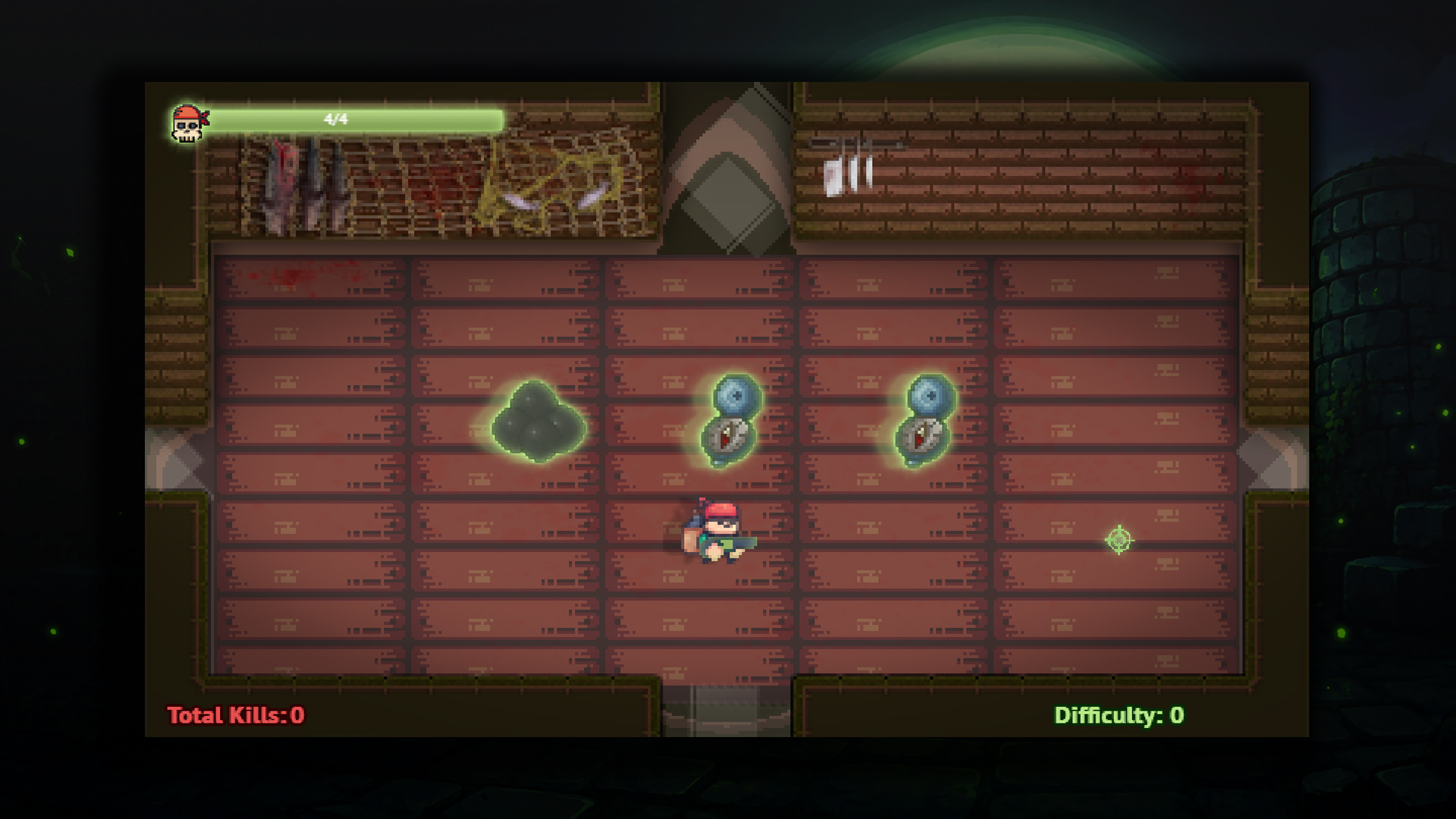
The €19.99 price tag on an indie game may give the impression of high profitability, but the reality is more complex. Platform fees, taxes, refunds, discounts, and development costs can significantly reduce the actual return for the studio. However, the most challenging aspect is not setting the price; it is reaching enough customers for the price to matter.
For indie studios, the economics of a game are fundamentally about building an audience. When considering the economics of an indie game, the first question that often comes to mind is: what happens when you sell a game for €19.99? On paper, the answer appears attractive. Selling 1,000 copies would generate approximately €20,000 in gross consumer spending, and selling 5,000 copies would approach €100,000. For a small studio, these numbers may seem like a straightforward calculation.
Nevertheless, the €19.99 displayed on the storefront is not the amount that ultimately reaches the developer. Various factors such as taxes, platform fees, refunds, discounts, regional pricing, and the cost of development and marketing impact the final revenue. Thus, a €19.99 game selling 5,000 copies is not equivalent to a €100,000 business. The headline price only serves as the starting point for the calculation.
Indie developers might focus too much on pricing when the more critical issue is reach. The real problem lies in finding the customer. Suppose a studio sets a goal of 5,000 sales. It is tempting to consider that as the objective: create the game, release it on Steam, and somehow find those 5,000 customers. However, these customers do not simply appear because the game exists.
They must first discover the game through various channels such as festivals, social posts, YouTube videos, journalists, recommendations from friends, advertisements, or the storefront. Once discovered, they need to be interested enough to visit the store page, and ultimately interested enough to make a purchase.
In essence, the economics of a game begin much earlier than the transaction. A price alone cannot compensate for an audience that never sees the product. Consequently, many indie game developers increasingly view the business as partly a distribution problem. While making the game is undoubtedly crucial, creating a path between the game and the potential customers is equally important.
Written by urgent.news from HackerNoon's reporting — not their text. Machine-written — may contain errors; check the original before relying on it.