Take a look at these astonishing film photos from inside the lost world of European rave culture
Before smartphones, social media and the urge to photograph everything, rave culture existed largely out of sight. A new project captures the fleeting world of illegal parties, friendship, freedom and youthful excess on analogue film. The post Take a look at these astonishing film photos from inside the lost world of European rave culture appeared first on Amateur Photographer .
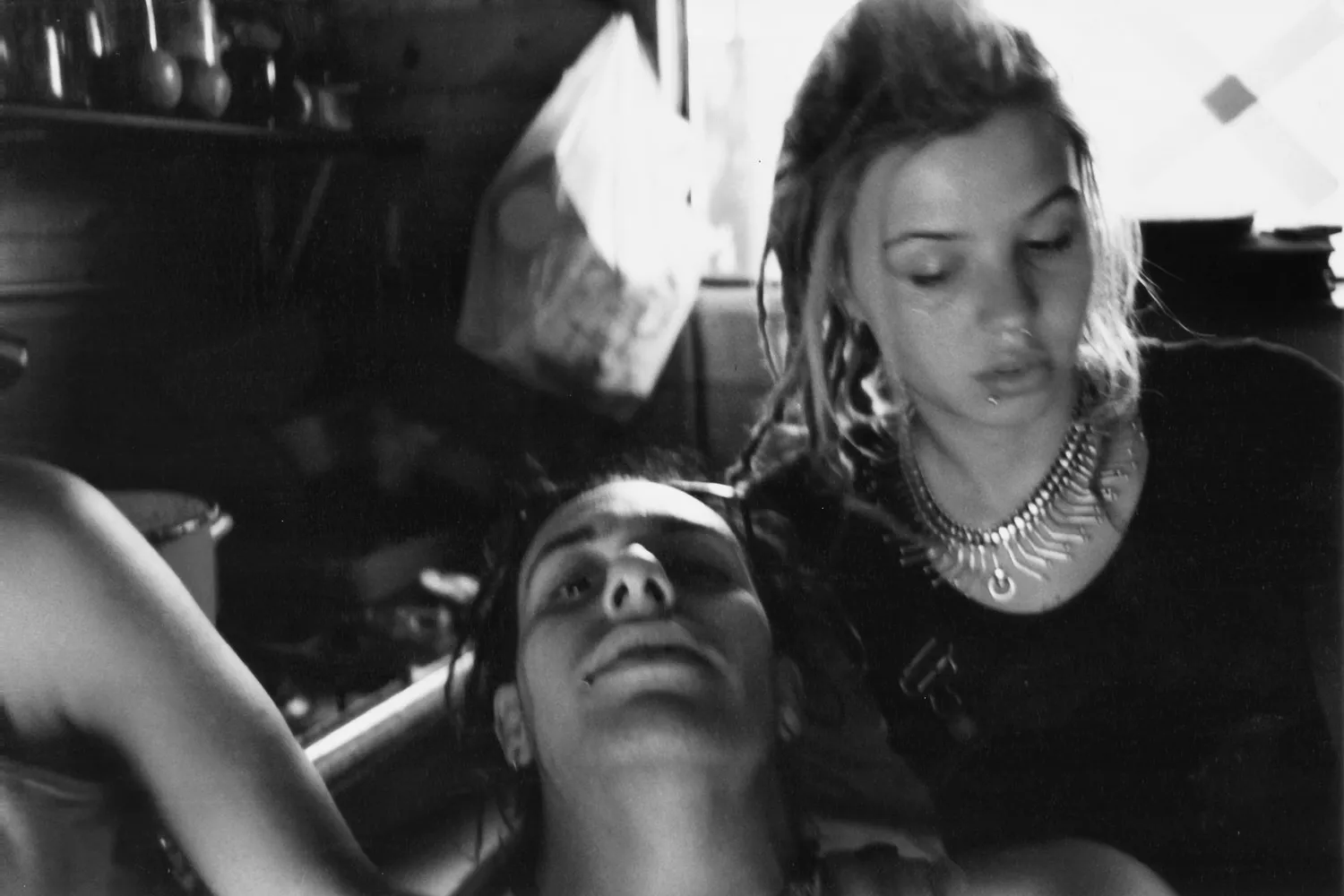
Before the rise of smartphones and social media, European rave culture thrived in secrecy. This period, captured in Never Alone 1997-2004: Raving in Europe, offers a glimpse into the clandestine world of illegal parties, unyielding friendship, and youthful abandon immortalized on analogue film. Teknival, Bolsena, Italia, 1999. Image Credit: Cheyenne Clementi & Valentina Morandi
This era of raving predated smartphones and the ubiquitous urge to document every moment. It was a fleeting, transitory existence, where the parties would appear in fields or warehouses, flourish until dawn or the arrival of law enforcement, and fade away again. Venues were temporary, social media feeds were unheard of, and there was no concern about compromising oneself on a viral video.
The few photographic records from this time are scarce, making Never Alone 1997-2004: Raving in Europe a precious, substantial testament to a lost world.
Captured by Cheyenne Clementi and Valentina Morandi, the book features 160 original black and white photographs spanning 196 pages. Their participation in the scene, rather than merely observing from the outside, lends authenticity to the images. Never Alone 1997-2004: Raving in Europe serves as a visual record from within a community understood by the authors, providing a more intimate perspective than detached reportage.
In the accompanying text by Rave New World author Tobia D’Onofrio, rave culture is described as a 'disappearing ritual,' reflecting its transient nature. The book spans a period after the criminalization of the scene in Britain and the subsequent spreading of its energies across Europe. Italy, Spain, and Czechia became hubs for this mobile counterculture, with many of the photographs documenting these parties.
The photographs not only provide a geographical record but also capture the state of mind of those who participated in these events. The exuberance of youth is palpable, with bodies, faces, friendship, and exhaustion on full display. There is a profound sense of belonging and unity among the attendees, all brought together by the music. The title of the book aptly captures the essence of this period, offering a fascinating reminder of the state of photography before everyone became a photographer.
Written by urgent.news from Amateur Photographer's reporting — not their text. Machine-written — may contain errors; check the original before relying on it.