Sultan Nazrin is right: Intellectual freedom in Malaysian universities has eroded — Khoo Ying Hooi
SEPTEMBER 26 — A friend shared with me a New Straits Times report on Sultan Nazrin Muizzuddin Shah’s remarks...
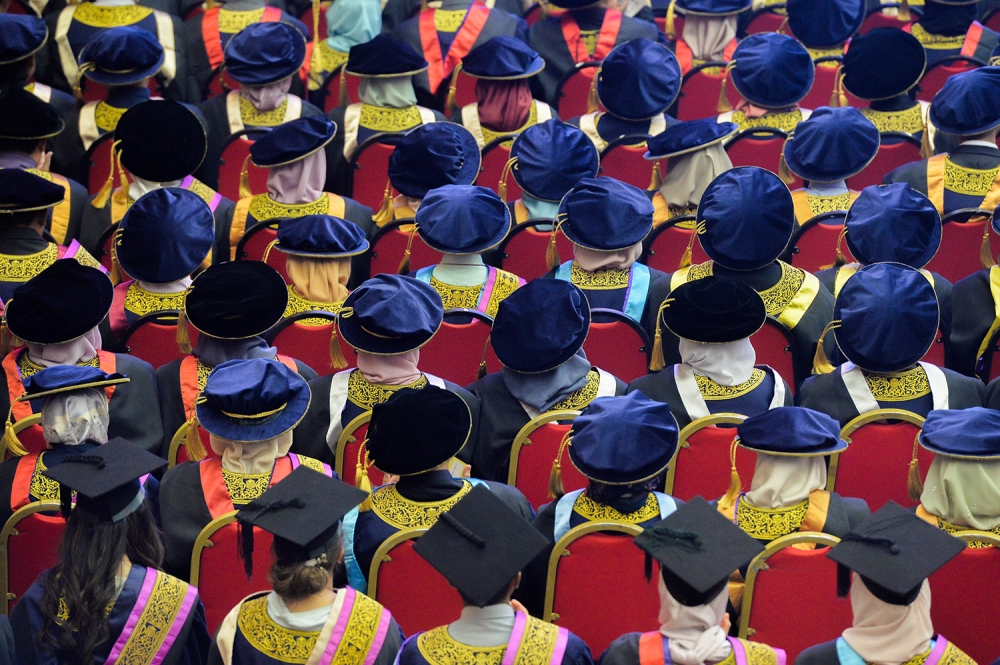
Sultan Nazrin Muizzuddin Shah has highlighted the decline of intellectual freedom in Malaysian universities, specifically citing Universiti Malaya (UM) as an example. In a September 26 report, Sultan Nazrin pointed to factors such as the New Economic Policy (NEP), curtailment of political freedom of expression, and the erosion of vibrant intellectual discourse at UM.
Universities in Malaysia must foster an environment where scholars can pursue knowledge without external direction, a principle that dates back to Wilhelm von Humboldt's advocacy for academic freedom over 200 years ago. However, the erosion of intellectual freedom has been a gradual process, with constraints arising not only from governmental policies but also from habits and self-censorship within universities themselves.
The Universities and University Colleges Act 1971 (UUCA) established a new framework for higher education during a period of expansion, but the 1975 amendments following student mobilizations imposed stricter limits on political organization and participation. These restrictions have persisted through various administrations, with incidents such as the refusal to permit Opposition leader Anwar Ibrahim to speak at UM in 2014, and the suspension of student leader Fahmi Zainol for attending a political event.
Despite amendments to the UUCA and discussions about academic autonomy, controversy continues to trigger demands for greater control, often framed in terms of security and reputation. Instances like the cancellation of UM's forum on secularism and the barring of speakers at other universities underscore the ongoing struggle to maintain genuine intellectual freedom within Malaysia's higher education institutions.
These recurring events suggest that the issue of intellectual freedom is not confined to any single political administration, but rather reflects a broader challenge within the education system itself.
Written by urgent.news from Malay Mail's reporting — not their text. Machine-written — may contain errors; check the original before relying on it.