Scientists Say They’ve Found Remnants of Huge Life-Giving Continent Beneath Antarctica
The post Scientists Say They’ve Found Remnants of Huge Life-Giving Continent Beneath Antarctica appeared first on Futurism .
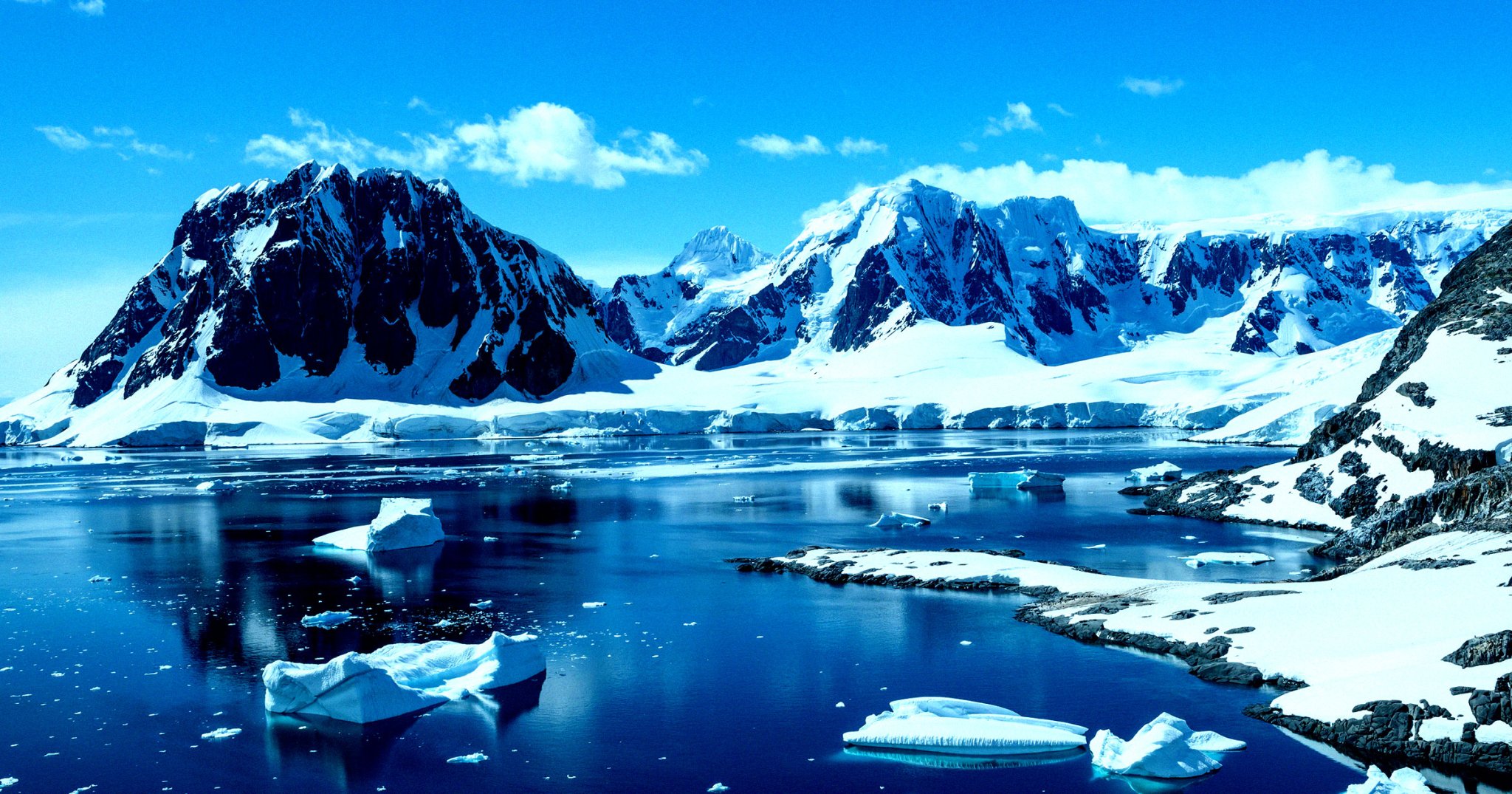
In a groundbreaking study, scientists have uncovered potential remnants of an ancient, life-sustaining continent concealed beneath Antarctica's icy surface. This discovery, published in the journal Earth and Planetary Science Letters, could significantly reshape our understanding of life's evolution on Earth.
The Earth's supercontinent, Gondwana, which once encompassed modern-day Africa, South America, Antarctica, Australia, and the Indian subcontinent, is believed to have formed around 650 to 450 million years ago. This supermassive landmass could have been the catalyst for the Cambrian explosion, the rapid diversification of life forms as evidenced in the fossil record.
The researchers, two geologists from Australian National University, have identified zircons - naturally occurring minerals rich in uranium and thorium - in ocean sediments. By analyzing these zircons, the team created a map of the underlying structure of Gondwana, which was largely obscured by erosion over the last 500 million years. Remarkably, the researchers found that Antarctica held significant amounts of material from the formation of Gondwana during this pivotal period.
The new findings suggest that Antarctica may be hiding substantial remnants of Himalaya-scale mountains that once thrived beneath its thick ice sheet. This discovery could have profound implications for our understanding of the conditions that fostered the proliferation of life millions of years ago.
The researchers concluded that "Approximately 46 percent of the detrital zircons in the weighted global database, during the critical period from the base of the Cambrian to the end of the Cambrian explosion, and 55 percent of the high-pressure grains, were derived from Antarctica." This suggests that the ice-covered continent may have played a pivotal role in shaping the Earth's climate and biological processes during the Cambrian explosion.
Written by urgent.news from Futurism's reporting — not their text. Machine-written — may contain errors; check the original before relying on it.