OpenAI accuses Apple of improperly adding new evidence to trade secrets case
OpenAI and the other defendants in Apple’s trade secret misappropriation lawsuit made a new filing, asking the court to strike two expert declarations and disregard other evidence Apple recently submitted. Here are the details. more…
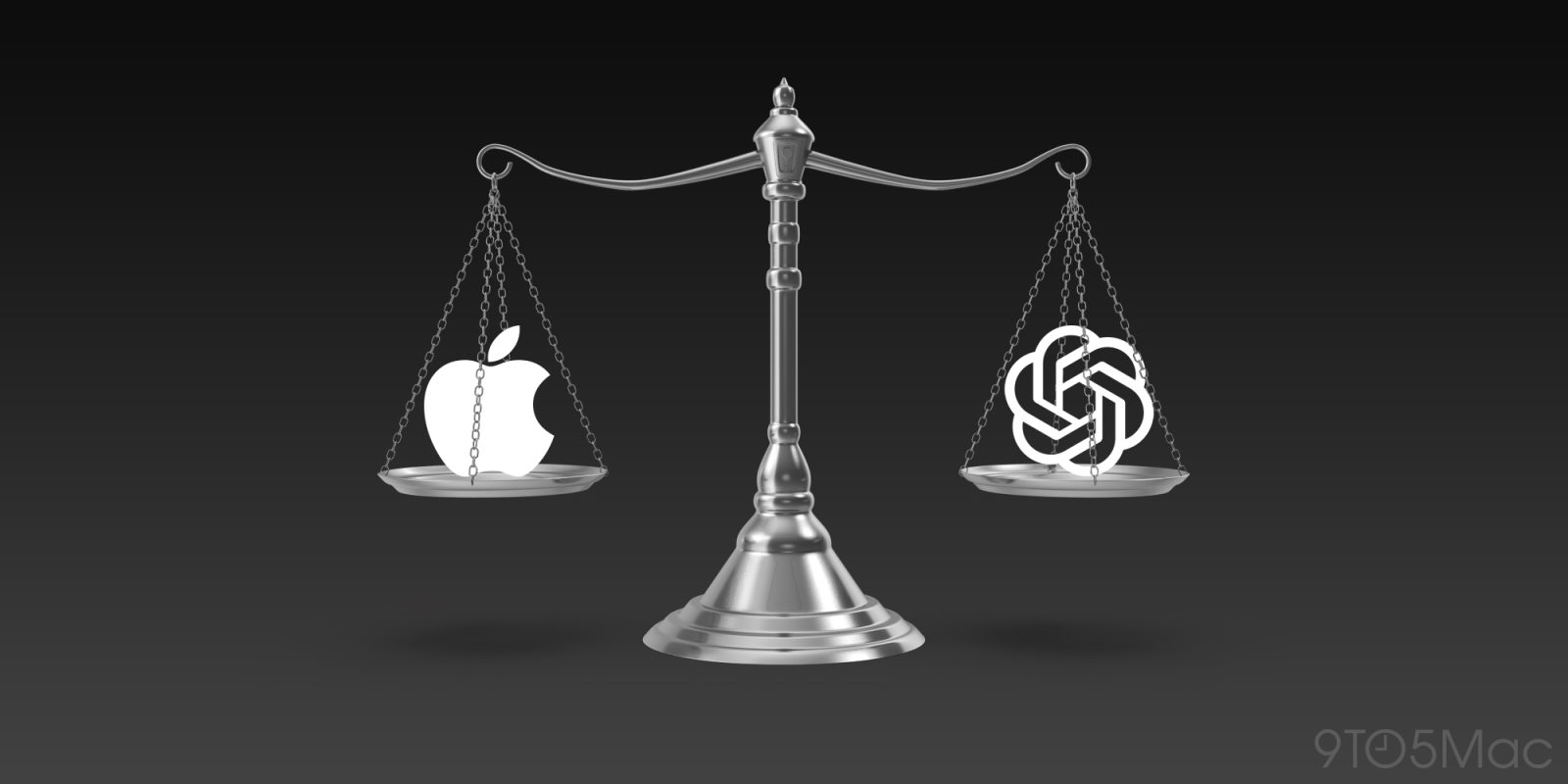
OpenAI and the other defendants in Apple's trade secret lawsuit have moved to dismiss two expert declarations and ignore other evidence that Apple recently introduced. The dispute stems from Apple's lawsuit against OpenAI, Jony Ive's io Products, and two former employees, Chang Liu and Tang Tan. Apple alleges that Liu and Tan stole or accessed confidential hardware information after leaving Apple to aid OpenAI's consumer hardware initiatives.
Apple seeks a preliminary injunction to prevent OpenAI and the other defendants from accessing, using, disclosing, or soliciting Apple's trade secrets during the litigation. Apple filed a reply brief and five expert declarations, totaling 126 pages, along with 13 exhibits supporting its claims. The expert declarations examined Apple's security practices, forensic evidence from Liu's devices, the value of power-management trade secrets, and the confidentiality of metal-finishing processes, central to the lawsuit.
However, OpenAI and the other defendants argue that Apple improperly presented new evidence and expert opinions in its reply brief, including material that should have been addressed earlier. They contend that Apple added five new expert declarations, totaling 126 pages, and numerous new exhibits that go beyond the scope of its initial brief.
Among the new experts is Dr. Jude Runge, who allegedly reinforced testimony already submitted by Apple. The defendants also argue that Dr. Paul Hatch offered opinions that could have been included earlier, while Daniel Roffman introduced evidence that Apple had access to before filing its original motion. Furthermore, they claim that James Pooley's investigation began after Apple filed its motion.
Consequently, OpenAI and the other defendants are requesting the court to strike two of the new declarations, namely Roffman's five exhibits, and disregard other introduced evidence and opinions. The court is invited to consider Roffman's declaration and exhibits, provided that a new declaration from Liu is taken into account, which Liu offers an explanation for the messages and device activity that Apple used as evidence against him.
Written by urgent.news from 9to5Mac's reporting — not their text. Machine-written — may contain errors; check the original before relying on it.