‘Numb’ builds a bleak vision of a troubled boyhood
Inspired by director Takuya Uchiyama's own experiences, "Numb" is an unflinching look at childhood neglect transmuted into adult sorrow.
Autobiographical films are rare in Hollywood, where studios often shelve such projects despite their potential commercial success. Conversely, young filmmakers in Japan frequently draw inspiration from their own life experiences to create compelling cinema. Recent examples include Shun Nakagawa's touching medical drama "90 Meters" (2025), which portrays the director's real-life role as a teenage caregiver for his ailing mother, and Taichi Kimura's empowering women's drama "Fujiko" (2026), drawing from the challenges his own mother faced in the 1980s against male chauvinism.
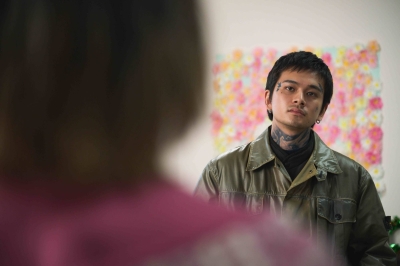
Takuya Uchiyama's latest offering, "Numb," ventures into a much darker territory. This film, dedicated to the director's mother, weaves a bleak narrative of familial breakdown. A notable feature of the film is its decision to cast four actors in the same role, representing the protagonist at various stages of his life. The result is a stark and uncompromising portrayal, unflinching in its depiction of the director's troubled upbringing.
The film's focus on the director's mother as a central figure underscores the deep personal connection Uchiyama has with his subject matter. The four-actor approach, while innovative, also adds a layer of complexity to the narrative, as the same actor must convincingly portray the same character across different periods of his life.
This bold choice, however, is not made without consequence. The film's unvarnished depiction of the director's troubled childhood leaves little room for sentiment or compromise, delivering a raw and unfiltered glimpse into the personal struggles that have shaped its creator.
Written by urgent.news from Japan Times's reporting — not their text. Machine-written — may contain errors; check the original before relying on it.