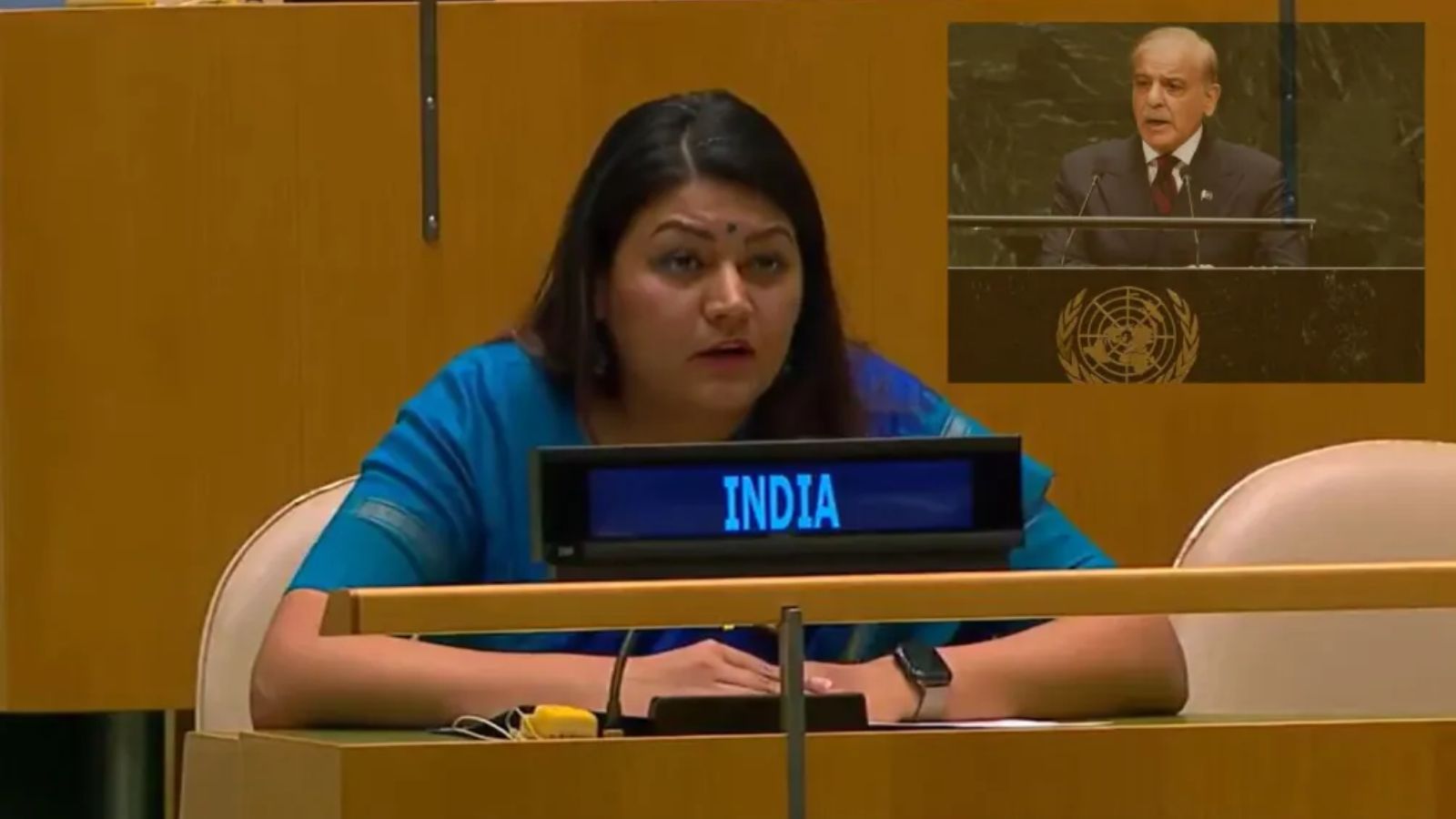
NST Leader: Shared patterns of persecution make Rohingya and Gaza two sides of same coin
For decades, the world’s conscientious majority, Malaysia included, have condemned and sanctioned Israel’s occupation, bombing and genocide of Palestine. Yet, similar persecution is occurring in Malaysia’s regional backyard: Myanmar’s annihilation and displacement of the Rohingya.
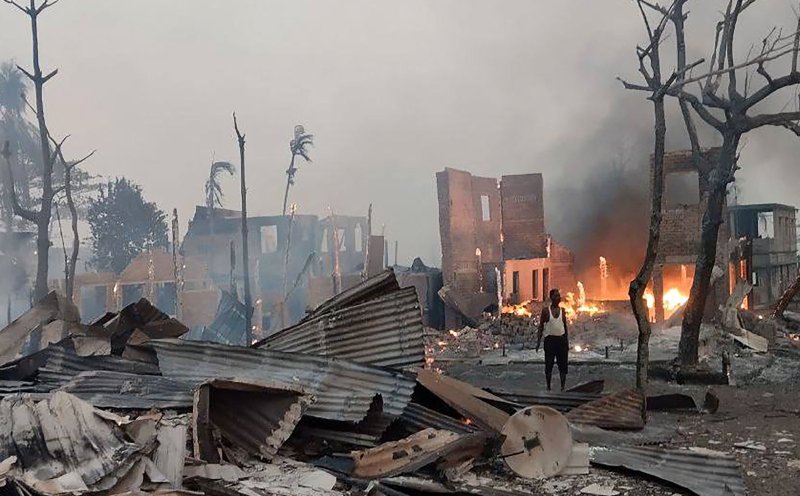
The leader of the National Unity Front (NST) drew parallels between the persecution faced by the Rohingya and Palestinians, arguing that these two groups are two sides of the same coin. Malaysia, which has long condemned Israel's occupation and actions against Palestinians, now finds itself grappling with a similar crisis involving the Rohingya in Myanmar.
The Rohingya, a stateless Muslim minority, reside in Myanmar's Rakhine state, bordering Bangladesh. Faced with state-sanctioned aggression and severe persecution, they have been subjected to massive displacement, destruction of homes, and restrictions on movement. The plight of the Rohingya has garnered international legal action for alleged genocide and human rights violations, with the International Court of Justice weighing in on the matter.
In contrast, Palestinians have suffered persecution intertwined with national conflict over territory, sovereignty, occupation, security, and self-determination. The Palestinian nakbah, or catastrophe, encompasses Gaza, the West Bank, East Jerusalem, Palestinian refugees, and Palestinians who are citizens of Israel. Like the Rohingya, Palestinians face human suffering, violence, and killings resulting from military interventions.
Malaysia, which has provided foreign aid and international backing to Palestinians, now finds itself confronted with the Rohingya crisis in its backyard. Foreign Minister Datuk Seri Mohamad Hasan urged for global backing to support countries hosting Rohingya refugees. He emphasized the need for a sustainable solution, including Myanmar's implementation of the Asean Five-Point Consensus, addressing the root causes of displacement, and resolving citizenship issues.
However, the broader question remains: how long can the crisis be defined as a refugee problem when its basic antagonism persists? Malaysia and other host nations cannot indefinitely bear the financial, humanitarian, and social responsibilities of the Rohingya crisis. In essence, the crises faced by the Rohingya and Palestinians are two sides of the same coin, requiring global attention and action to address their shared suffering.
Written by urgent.news from New Straits Times's reporting — not their text. Machine-written — may contain errors; check the original before relying on it.