India takes next step to develop the next generation of space age rail guns
India is moving towards the development of an indigenous electromagnetic launcher capability through new industry partnerships. Heavy Vehicles Factory, Avadi has issued expressions of interest for key components of the Electromagnetic Launcher system. The Defense Research and Development Organisation aims to create a railgun capable of firing projectiles at high velocities. Challenges such as…
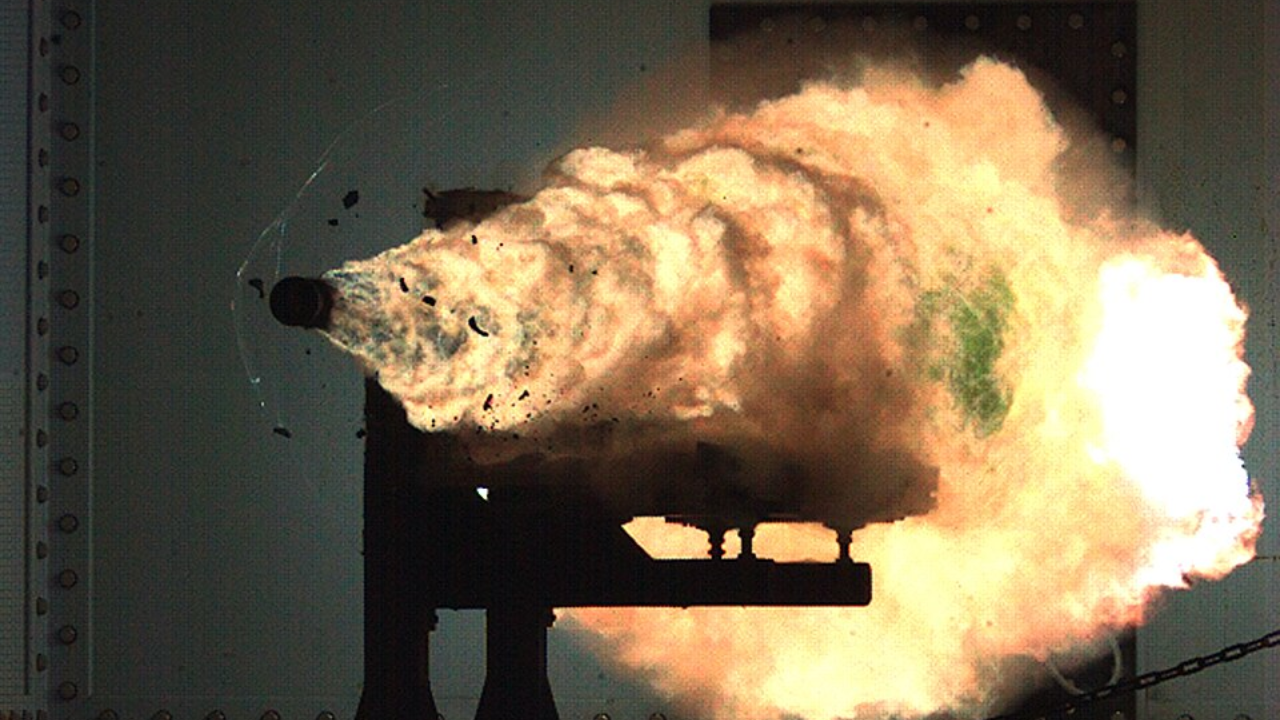
India has moved closer to developing its own electromagnetic railgun technology, with the Heavy Vehicles Factory in Avadi inviting expressions of interest for the design, development, and supply of crucial components. This development signals a shift from lab research to industrial-scale production. The first call for proposals seeks an industry partner to design, develop, and supply the EM launch barrel assembly and electrical accessories.
The following day, a second notice was issued, calling for partners to help with the barrel's platform and drives. While the exact weapon configuration and performance specifications remain undisclosed, the two tenders suggest simultaneous work on the launcher, its electrical systems, and its mechanical mounting.
Electromagnetic railguns differ from traditional artillery, using electrical energy instead of chemical propellants to fire projectiles at extremely high speeds. The Defense Research and Development Organisation (DRDO) is working on a 100-megajoule railgun that could fire an 18-kg projectile at speeds surpassing 2,000 metres per second.
This would surpass the speed of current tank rounds, which max out at around 1,780 metres per second. The technology could be used for naval strike roles, anti-ship warfare, and air defence, allowing for reduced flight time and simplified ammunition storage. The US has already begun operationalising similar guns on naval platforms.
However, several challenges must be overcome to bring this technology to fruition. Generating and delivering massive electrical energy in a short pulse requires high-capacity capacitor banks and advanced switching technology. The barrel and rail will also suffer wear from extreme electrical and thermal stress, which is why the DRDO is focusing on friction-reduction coatings and erosion-resistant materials.
Additionally, recoil systems and high-mobility vehicle mounting are being developed by the Armament Research and Development Establishment (ARDE). The lessons learned from this project could also be applied to the Electromagnetic Aircraft Launch System (EMALS), which can be used to launch fixed-wing aircraft from aircraft carriers.
Written by urgent.news from Times of India's reporting — not their text. Machine-written — may contain errors; check the original before relying on it.