India Needs Strategic Hedging Amid US Trade Challenges, AI Headwinds: CEA V Anantha Nageswaran
Chief Economic Advisor V Anantha Nageswaran has flagged three near-term challenges for India: unsettled ties with the US, uncertainty in energy markets and what he described as the absence of the “so-called” artificial intelligence play in the country. Speaking at an event, Nageswaran said strained relations with Washington could affect capital inflows, particularly from portfolio investors. He…
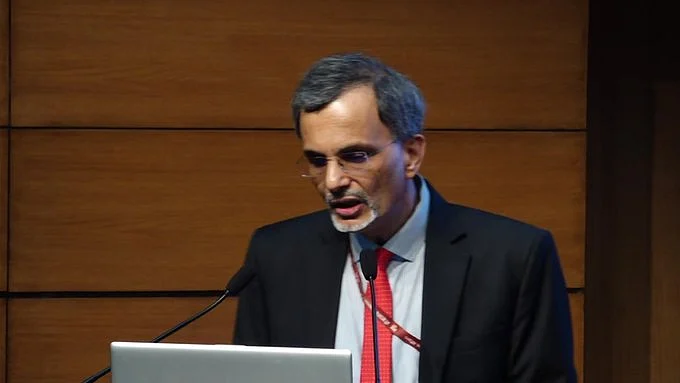
Chief Economic Advisor V Anantha Nageswaran has identified three critical hurdles for India in the near future: strained relations with the United States, volatile energy markets, and a perceived lack of artificial intelligence development within the country. Addressing a gathering, Nageswaran noted that tensions with Washington could impact capital inflows, particularly from portfolio investors.
He highlighted tariffs, sanctions, and trade barriers as part of "enduring coercion to force countries into choosing between global blocs."
The remarks come amidst heightened uncertainty surrounding a US law enabling President Donald Trump to impose tariffs up to 100% on nations importing Russian energy. India and the US are concurrently engaged in discussions regarding a bilateral trade pact. Nageswaran emphasized the necessity for strategic hedging, given India's strategic position, size, and geographical location.
He emphasized that India cannot afford to make a unilateral decision and that hedging would entail significant costs, necessitating consideration in both public and private sector decision-making.
Nageswaran cautioned that elevated bond yields in advanced economies could diminish the appeal of emerging markets for investors, exerting pressure on capital mobilization. He also pointed out that the narrowing yield gap between the US and India might reduce the incentive for investors seeking a premium yield. Regarding energy, Nageswaran cautioned that policy reforms may not yield immediate results in a challenging global setting.
He stated that even with proper policy execution, the public might demand more, leading to persistent demands. Furthermore, he pointed out that trade restrictions are increasingly being employed beyond the US, citing export licensing and supply chain disruptions involving China and the European Union.
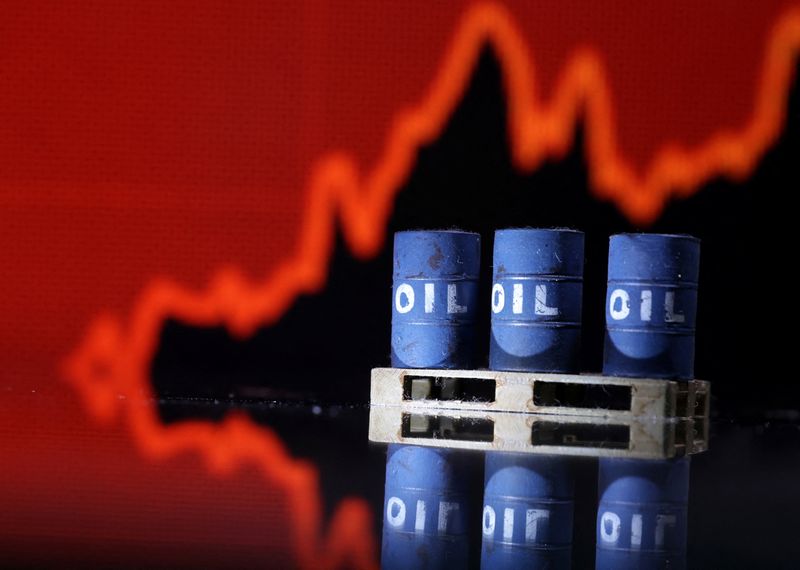
In terms of energy, Nageswaran elaborated that India's challenges extend beyond crude prices, encompassing availability, freight, and insurance costs. He also noted that heightened prices for copper, silver, and polysilicon could escalate the cost of India's shift towards renewable energy sources.
Written by urgent.news from Free Press Journal's reporting — not their text. Machine-written — may contain errors; check the original before relying on it.