How Japan went from a rice shortage to a rice surplus in two years, as climate change, tourism, and a U.S. trade fight collided
A drought-driven shortage in 2024 nearly doubled prices to ¥4,300 a bag and toppled a minister, before farmers overcorrected into a record surplus.
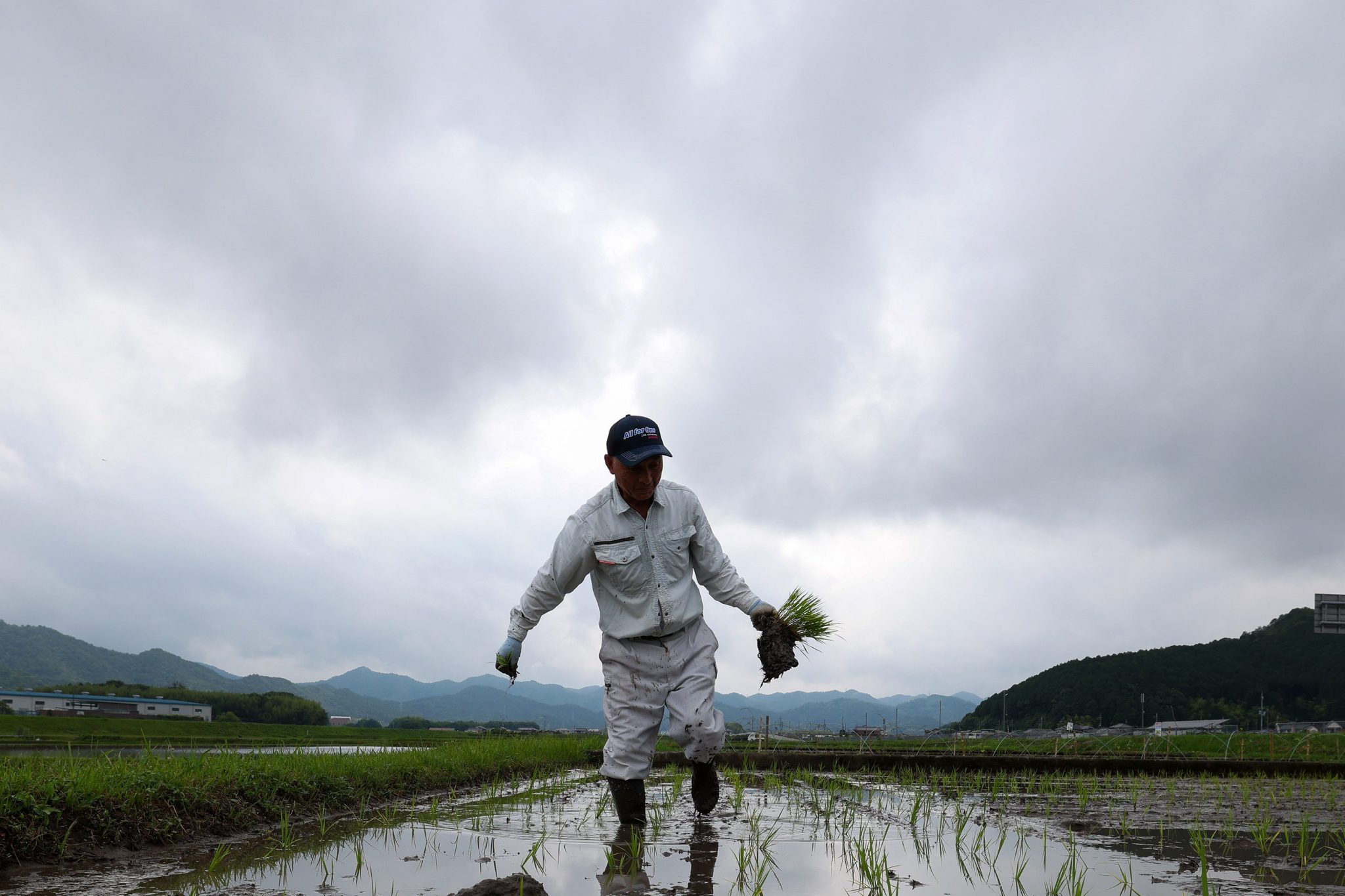
In 2023, extreme heat and drought damaged Japan's rice crop, leading to a severe national shortage. This forced a government minister to resign, but by 2026, Japan had turned into a record surplus, forcing the government to buy back rice from the market to prevent prices from collapsing further. Experts were surprised by this sudden change, as Ryosuke Inoue, a visiting fellow at the CSIS Japan Chair in Washington, D.C., noted that even he did not anticipate such a drastic shift.
The shortage occurred due to climate change, with heat and drought during the grain-filling stage cutting the amount of sellable, top-grade rice. Concurrently, increased demand from a tourism boom and panic buying after an earthquake warning added to the problem, causing private rice stocks to plummet from the normal range of about 2 million tons down to roughly 1.5 million tons.
Prices for a five-kilogram bag of rice rose from ¥2,000 ($13) in early 2024 to a peak of ¥4,300 ($27) by 2025, with the government releasing emergency reserves for the first time since 1995. However, this action caused controversy, as people wondered why the government waited so long to release the rice. After the shortage, farmers responded by ramping up production, causing supply to overshoot demand and resulting in private stocks increasing back up to 2.43 million tons by mid-2026.
The agriculture ministry now forecasts that the surplus will grow even larger in 2027, with prices falling back toward ¥3,300 ($21) and potentially sliding even lower. The government's response to the surplus was to buy back 210,000 tons of rice to refill the reserves they had drained the previous year. Japan relies almost entirely on rice imports from the U.S., with a WTO-mandated duty-free quota of 770,000 tons a year.
In June 2025, President Trump criticized Japan for having a "massive rice shortage" despite importing rice from the U.S. The shortage coincided with a trade dispute between the two countries, with Japan boosting its U.S. rice purchases by 75% in a trade deal that summer. Japan's rice farms are staffed almost entirely by an aging workforce, with the average Japanese rice farmer being 67.7 years old and only 1.2% under 30.
The problem lies in what happens to the land left behind when these farmers retire, as much of Japan's rice farming takes place in mountainous terrain that is unattractive to new operators. Inoue suggested a policy modeled on the U.S. Price Loss Coverage program, which would pay farmers when prices fall below a level covering their production costs. Japan attempted a similar policy in 2011 but abandoned it before prices moved enough to trigger it.
Written by urgent.news from Fortune's reporting — not their text. Machine-written — may contain errors; check the original before relying on it.