High Court calls for ‘aggressive measures’ to tackle Gurugram water crisis
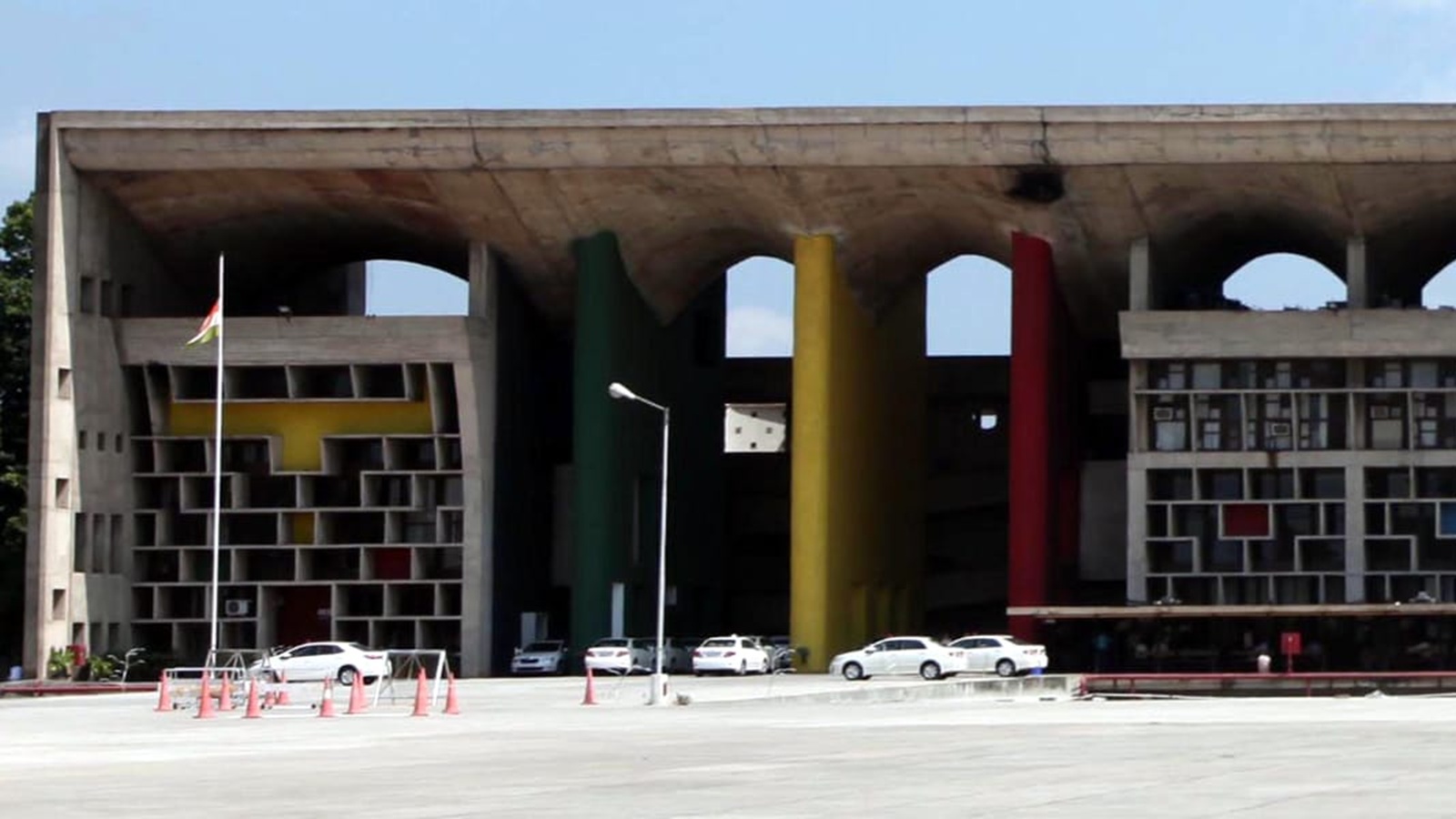
The Punjab and Haryana High Court has urged urgent, decisive action to address Gurugram's worsening water crisis, warning that a "grim" future awaits the city unless swift, effective measures are implemented. In a significant order passed on September 22, a bench led by Chief Justice Ashwani Kumar Mishra and Justice Rohit Kapoor expressed grave concern over the rapid depletion of groundwater reserves and recurring waterlogging during monsoon, exacerbated by the city's proximity to the National Capital Region (NCR).
The court emphasized that while urbanization and population growth are inescapable given Gurugram's location relative to Delhi, the lack of robust water governance has been glaringly inadequate. The bench highlighted a paradox: as the city grapples with acute shortages of potable water and dwindling groundwater reserves, monsoon rains often lead to crippling floods, underscoring the failure to harness natural runoff effectively.
The court noted the devastating impact of unchecked groundwater extraction via private borewells over the decades, coupled with the collapse of natural water bodies and blockage of essential drainage channels. Moreover, the bench criticized the insufficient operation of sewage treatment plants, which fail to mitigate the freshwater demand adequately.
The court ordered key officials, including the Chief Engineer of the Municipal Corporation of Gurugram, the deputy commissioner, and heads of relevant authorities, to attend a hearing on October 1 via videoconference to address the pressing issues. The legal proceedings trace back to a series of writ petitions filed nearly two decades ago by Sunil Singh and the Qutab Enclave Residents' Welfare Association, among others, challenging unregulated real estate development without proper environmental clearances, sewage infrastructure, or sustainable water management systems.
Over the years, the High Court had consistently rejected attempts to transfer the case to the National Green Tribunal, maintaining its own oversight to ensure compliance. In a separate development, the Haryana Human Rights Commission (HHRC) recently launched suo motu investigations following heavy rains on August 24 that submerged major roads, stranded commuters, and even caused a significant road collapse near IFFCO Chowk.
The HHRC condemned the situation as an institutional failure, calling for a comprehensive technical audit and GIS-based mapping to tackle encroachments and ensure safety during floods.
Written by urgent.news from The Indian Express's reporting — not their text. Machine-written — may contain errors; check the original before relying on it.