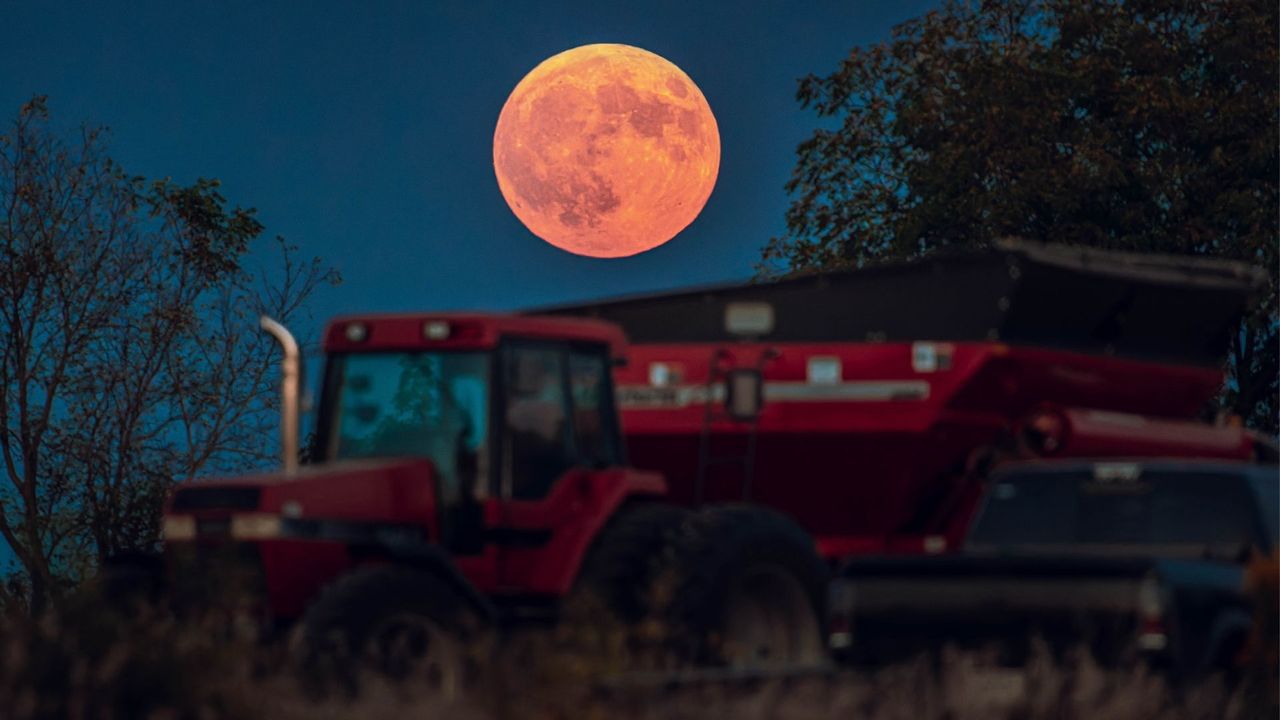
Harvest Moon 2026: See the first full moon of autumn rise alongside Saturn tonight
The famous Harvest Moon will be the first full moon of autumn when it rises on Saturday, Sept. 26. Here's how to get the best view of it, and where to look for bright Saturn nearby.
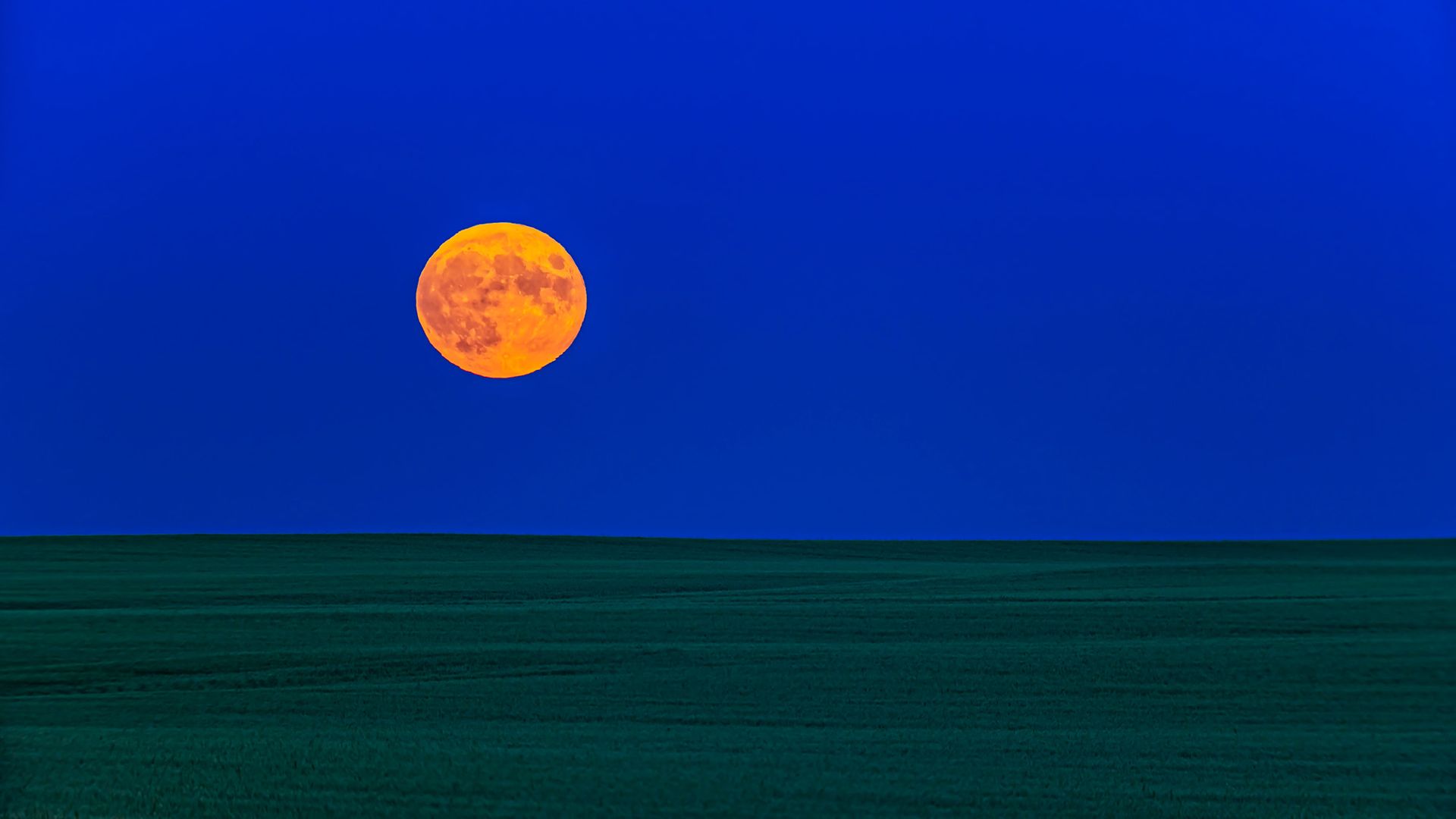
On Saturday, September 26, the Harvest Moon will rise alongside Saturn in the eastern sky. This full moon, officially full at 12:49 p.m. EDT, will be best visible at moonrise in the eastern sky. The Harvest Moon's name comes from it being the full moon closest to the September equinox, which occurred on Tuesday, September 22. This year, it aligns with the Mid-Autumn Festival in Chinese and Vietnamese cultures.
However, the Harvest Moon's unique behavior occurs due to the moon's path making a shallow angle with the eastern horizon during autumn, leading to shorter daily decreases in moonrise times. This results in extended evenings with bright moonlight, a benefit from pre-electricity days for harvest activities. Despite this, skywatchers can still enjoy two full moonrise opportunities within one night.
In North America, the moon will rise about 25 minutes later on Sunday, September 27, compared to the previous day. Saturn will provide an additional reason to view the Harvest Moon, rising just beneath it and easily visible without a telescope, although a telescope or binoculars can offer a clearer view of both celestial bodies.
The next full moon, known as the Hunter's Moon, will take place on October 25 or 26, depending on your time zone, and may also be a supermoon, appearing larger and brighter than usual.
Written by urgent.news from Live Science's reporting — not their text. Machine-written — may contain errors; check the original before relying on it.