Ernährung: Experten warnen vor Risiken bei Nahrungsergänzungsmitteln
Mehr als 30.000 neue Mittel kamen 2025 auf den Markt – ohne behördliche Prüfung. Wissenschaftler schlagen Alarm und schicken einen Brief an zwei Bundesministerien.
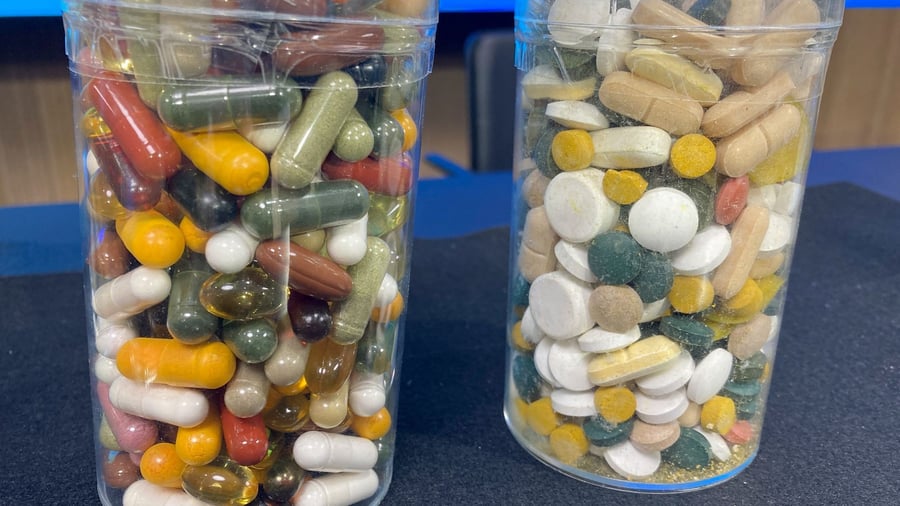
Münster witnessed concerns from a coalition of scientists, physicians, and consumer advocates, warning of significant quality and safety issues with dietary supplements containing botanicals. In a letter to the German federal ministries of agriculture, nutrition, and economics, the experts urged an end to the unregulated situation involving plant, algal, fungal, or lichen-based ingredients for consumer protection.
A sense of urgency to take action was expressed in the letter, which was obtained by the German Press Agency. Consumer health was deemed at risk.
Manufacturers only have to register their products with the Federal Bureau for Consumer Protection and Food Safety before they hit the market. However, no official inspection was anticipated, criticized the group, citing toxicological risks. The situation contrasts with Switzerland and other EU countries like France or Belgium, which enforce stricter documentation requirements for such dietary supplements.
The experts called for legislators to require manufacturers and distributors to provide accurate and comprehensible information during registration. Moreover, they advocated for continuous testing of raw materials and finished products using recognized analytical methods. Misleading health claims should be more thoroughly scrutinized.
Andreas Hensel, President of the Society for Phytotherapy and director of the Institute for Pharmaceutical Biology and Phytochemistry at Münster University, signed the letter. Over 30,000 dietary supplements were registered in Germany last year, reported the plant chemistry professor to the German Press Agency. Due to the inadequacy of legal provisions at this stage, disputes often ensued between state examination offices warning of problems and the firms' lawyers, who cited their own alternative analytical methods.
"You can always talk your way out of it," said Hensel. Consumers would be exposed to risks they could not detect.
Written by urgent.news from Handelsblatt's reporting — not their text. Machine-written — may contain errors; check the original before relying on it.