Environmental filtering and host identity collectively shape root-associated microbiomes of Ericaceae and ectomycorrhizal plants in fumarole fields
Background Symbiosis with microbes is a key strategy that has enabled plants to colonize extreme environments. Since the benefits conferred by root-associated microbes depend on both environmental conditions and host-microbe combinations, plant adaptation to harsh environments is closely linked to the assembly of root microbial communities. Understanding how environmental and host filtering…
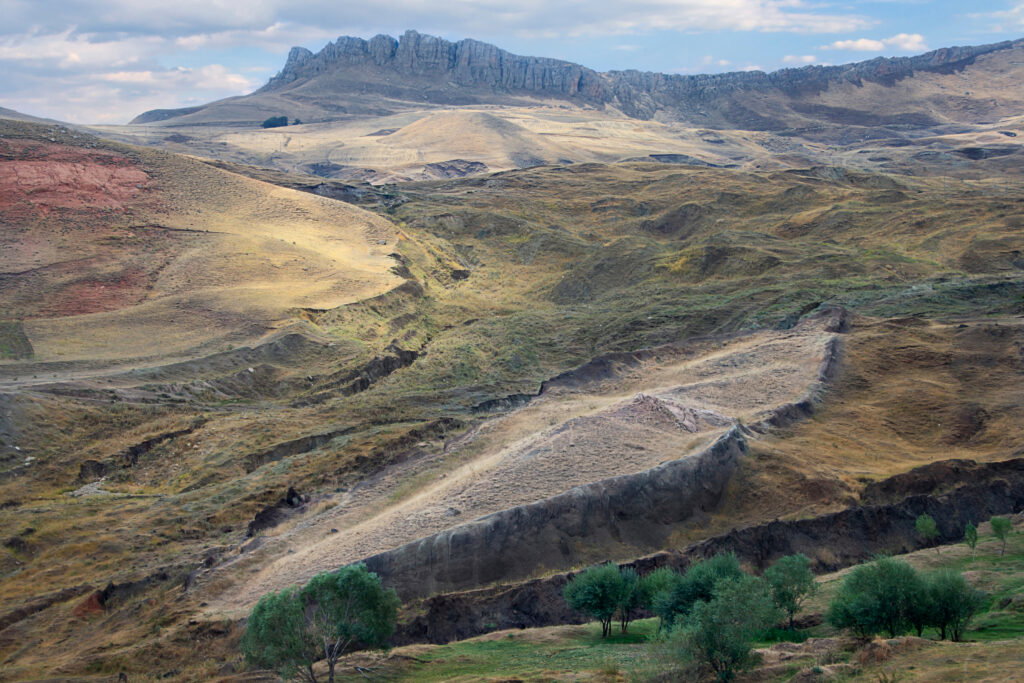
Symbiotic relationships between plants and microbes are essential for plants to thrive in extreme environments. The specific microbes that associate with plant roots are shaped by both environmental conditions and the unique characteristics of each plant-microbe combination. To better understand how these two factors work together to influence microbial community assembly, researchers investigated the root-associated prokaryotic and fungal communities of six dominant Ericaceae and ectomycorrhizal plant species growing in two distinct habitats near fumaroles: solfatara-field and forest-edge.
The study found that prokaryotic and fungal OTUs (operational taxonomic units) rarely showed strong preferences for either habitat or host identity. Instead, many of these OTUs were specialized to one of these niches, leading to root microbial communities that were differentiated by both environmental conditions and host identity.
However, one notable exception was the fungal family Hyaloscyphaceae in the Helotiales order. This group exhibited striking specialization in either habitat or host niches, suggesting that despite strong preferences for one niche, ecological divergence within this fungal clade has occurred without significant phylogenetic constraints.
Overall, the findings highlight that root-associated microbial communities in extreme environments are assembled through the accumulation of microbes that are specialized to either the habitat or the host plant. In certain fungi, such as Hyaloscyphaceae, strong ecological specialization can arise with little restriction from their evolutionary history.
Written by urgent.news from bioRxiv's reporting — not their text. Machine-written — may contain errors; check the original before relying on it.