Do You Really Need A Food Processor? Or Can Your JMG Do It All?
Kitchens today are full of gadgets like mixers , and it is easy to feel confused about what you actually need. Many homes already have a JMG sitting on the counter, used almost every single day. But when a food processor shows up in an ad or on a shopping site, people start wondering if they are missing out. Do you really need both? Or is one enough for your everyday cooking? This article breaks…
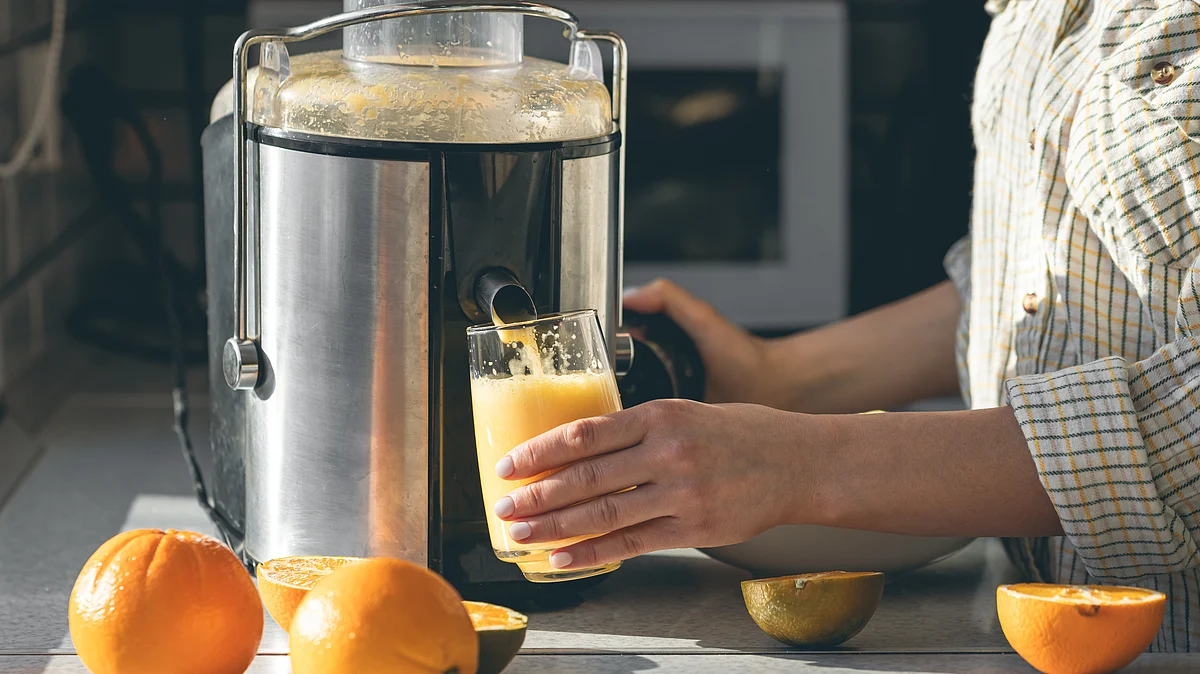
Kitchens today are filled with various gadgets, leaving many people uncertain about which ones they truly need. Most households already possess a JMG, which is utilized almost daily. However, the appearance of a food processor in advertisements or on shopping websites often leads to questions about whether an additional appliance is necessary or if a JMG would suffice. This article aims to clarify the differences between these two appliances to assist readers in making informed decisions about their kitchen investments.
A JMG, short for Juicer Mixer Grinder, is a versatile kitchen appliance found in Indian households. It serves multiple purposes, including grinding spices, blending smoothies, and extracting fresh fruit juices. Daily usage of a JMG is common due to its ability to perform various tasks efficiently. Its functions comprise: grinding masalas, spices, and dry ingredients; making chutneys, pastes, and coconut mixes; blending smoothies, shakes, or lassis; extracting fresh juice from fruits and vegetables; and preparing batter for dosas, idlis, or pancakes.
Due to its compact size and multifunctionality, a good JMG becomes an indispensable kitchen companion rather than a rarely used gadget.
On the other hand, a food processor is designed for preparation tasks rather than grinding. It concentrates on streamlining repetitive kitchen tasks, such as cutting, slicing, and mixing large quantities of ingredients. Its primary roles include chopping vegetables evenly, slicing or shredding cheese, cabbage, or carrots; kneading dough for rotis, bread, or pizza bases; mixing large batches of batter for baking; and handling bulk prep work for parties or large families.
If your cooking routine heavily involves cutting, shredding, or dough preparation, a food processor can significantly enhance your kitchen efficiency.
Despite their similar appearances, the functions of a JMG and a food processor are fundamentally different. A JMG primarily excels in juicing, grinding, and blending, while a food processor specializes in chopping, slicing, and kneading. A reliable juicer or mixer proves highly effective for daily Indian cooking, whereas a food processor's real value becomes apparent when your recipes frequently require heavy cutting, shredding, or dough preparation.
In essence, a JMG and food processor serve distinct kitchen purposes, rather than competing against each other.
For most Indian households, a JMG inherently covers all essential cooking needs. If your meals are primarily simple and traditional, focusing on masalas, chutneys, and batters, an existing JMG might be sufficient. This appliance suffices if: you predominantly cook traditional Indian dishes; you utilize a juice machine for morning fresh juices; chutney, paste, or coconut mix preparation is frequent; your kitchen space is limited; and you prefer to reduce the number of appliances and washing frequency.
However, there are instances where a JMG alone may not suffice, particularly if your cooking style transcends everyday traditional meals. In such cases, incorporating a food processor can prove beneficial. You may require a food processor if: you frequently cook in bulk for a large family; baking is a frequent activity requiring dough kneading; preparing salads with numerous vegetables is a regular occurrence; hosting guests often necessitates quick meal preparation; or you seek to expedite slicing and shredding tasks.
If your cooking demands more than just grinding and juicing, a food processor is a valuable addition rather than an unnecessary extra appliance.
Written by urgent.news from Free Press Journal's reporting — not their text. Machine-written — may contain errors; check the original before relying on it.