China’s AI-led transformation is taking shape. Why are some economists urging caution?
As AI becomes an increasingly important part of China’s economic transformation, economists and industry leaders are raising concerns about two potential risks: inflated valuations for humanoid robotics companies and the technology widening the wealth gap between rich and poor. Daniel Zhang, managing partner of FirstLight Capital and former chairman and CEO of Alibaba Group Holding, said the…

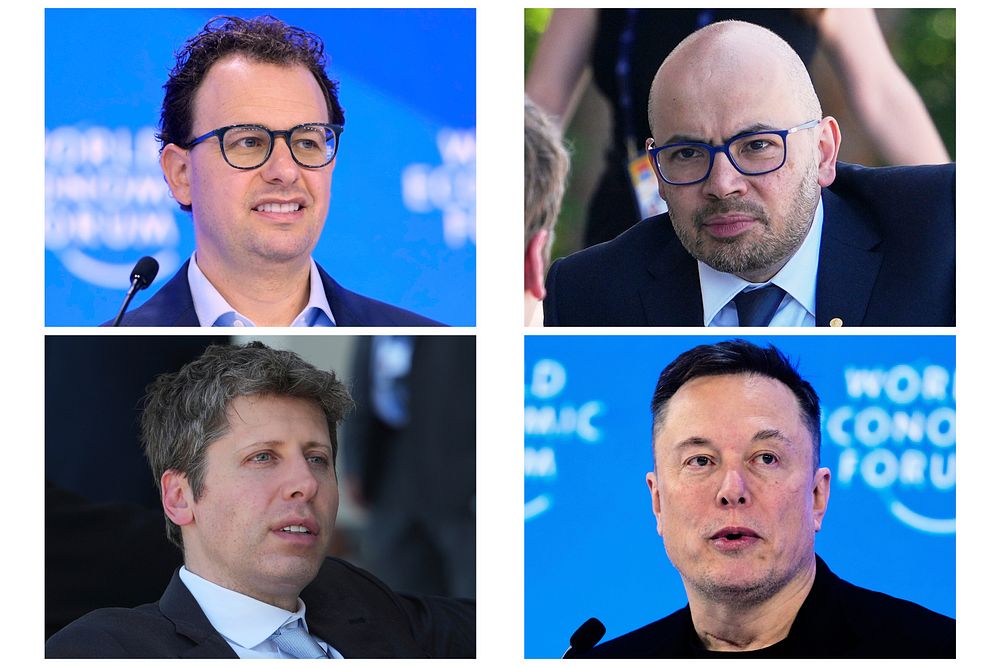
China's AI-led economic transformation is gaining momentum, yet economists and industry experts are sounding cautionary notes. Daniel Zhang, managing partner of FirstLight Capital and former Alibaba Group CEO, expressed concern over the inflated valuations for humanoid robotics firms. He noted that some of these stocks have experienced sharp declines, reflecting the excessive market expectations.
Unitree, a prominent Chinese humanoid robot maker, saw its shares plummet by 55% within a month of its listing, despite being hailed as a visionary enterprise. Regulators in China have been increasingly scrutinizing such companies due to fears of speculative market behavior.
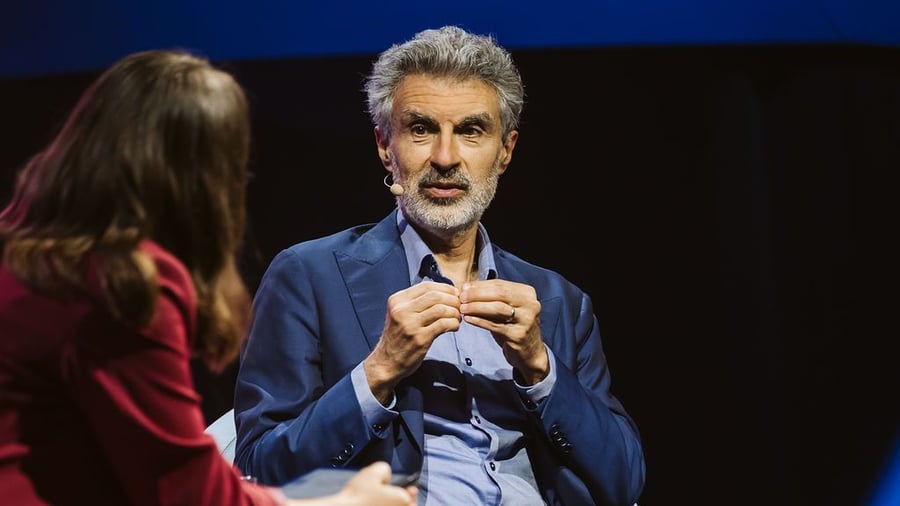
Fan Gang, an economics professor at Peking University, highlighted the uneven distribution of AI-driven wealth gains. He warned that while AI could spur economic growth, it risks concentrating benefits among a select few, exacerbating the wealth gap between the rich and the poor. Current trends show that income from new growth dividends is not yet trickling down to lower-income workers.
Fan emphasized that the economy faces significant challenges if this trend continues without corresponding salary increases or expanded consumption among the general population.
Foo Jixun, a senior managing partner at Granite Asia, an investment firm based in Singapore, pointed to new lifestyle innovations as a counterbalance to excessive tech investment. He cited examples like Pop Mart's Labubu toys and the rising popularity of fitness competitions such as Hyrox. These examples illustrate how new consumer trends can generate economic opportunities beyond the realm of technology.
Foo argued that economic reforms should not be limited to the hi-tech and AI sectors but should also include the service sector and cultural industries for a balanced approach to industrial upgrading and economic transition.
Written by urgent.news from South China Morning Post's reporting — not their text. Machine-written — may contain errors; check the original before relying on it.