Beyond transportation: Why commodity logistics will shape India’s next growth story
In the future, it will be recognised not as a support function, but as one of the foundations of India’s economic growth
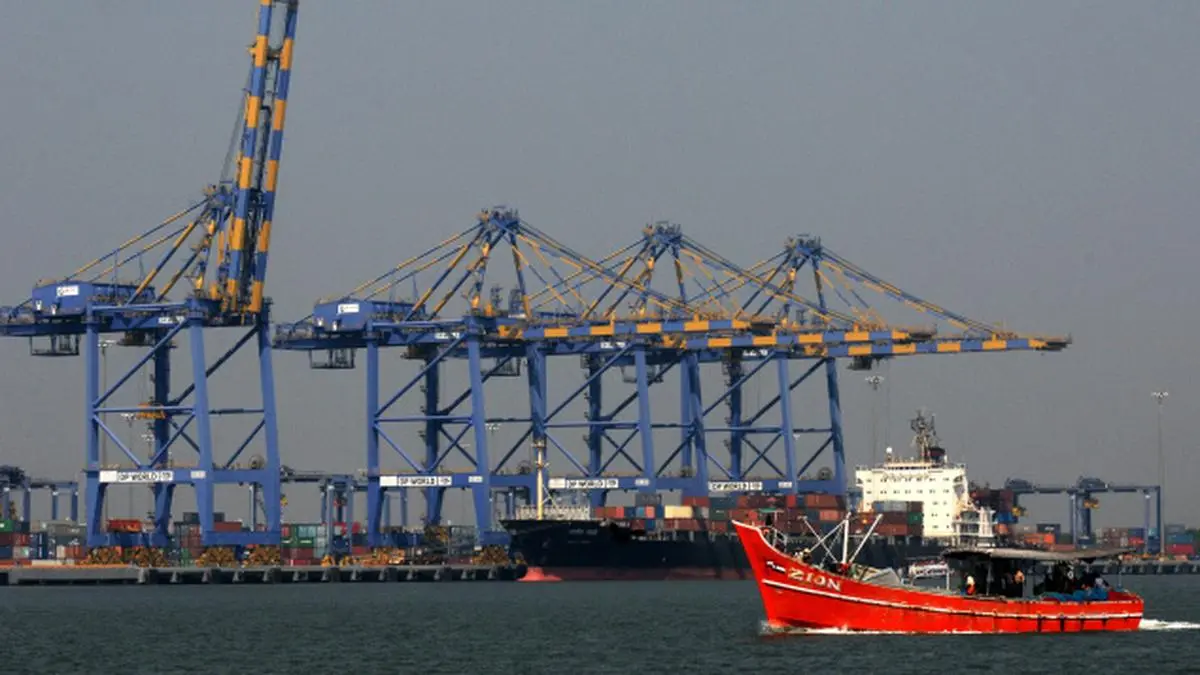
India's drive to become a $5 trillion economy hinges on the efficiency of moving the goods it produces. Commodity logistics has emerged as one of the nation's biggest economic enablers, encompassing coal power plants, steel reaching factories, and agricultural produce reaching markets. In 2023-24, logistics costs accounted for 7.97% of India's GDP, as per the DPIIT-NCAER assessment.
These costs constitute 9.09% of non-services output, which includes agriculture, mining, and manufacturing. The focus is now on improving efficiency in logistics, with businesses seeking real-time shipment tracking, demand forecasting, and faster decision-making backed by artificial intelligence and data analytics.
This shift towards visibility, speed, and predictability in the supply chain has led to increased expectations from shipping companies and logistics partners. Today, customers prefer integrated solutions that combine transportation, warehousing, and digital visibility. Recent disruptions, such as geopolitical tensions and extreme weather events, have underscored the importance of resilience in supply chains.
A robust multimodal network that connects roads, railways, ports, and inland waterways provides businesses with greater flexibility when one transport corridor faces disruption.
The government has launched initiatives like PM Gati Shakti and the National Logistics Policy to enhance infrastructure and promote better coordination across transport modes. These efforts are creating opportunities for freight forwarders and integrated logistics providers to design smarter, more adaptable supply chains. Sustainability is also gaining importance in logistics, with better route planning, asset utilization, and the increased use of rail and coastal shipping helping to reduce fuel consumption and lower carbon emissions.
Environmental responsibility is becoming a business advantage rather than just a compliance requirement.
As India's manufacturing ambitions, exports, and domestic consumption continue to grow, the demand for efficient logistics will remain high. Companies that invest in technology, multimodal connectivity, and resilient supply chain networks will not only move commodities faster but also strengthen the competitiveness of Indian industry. In the future, commodity logistics will be recognized as a foundational element of India's economic growth.
Written by urgent.news from Hindu BusinessLine's reporting — not their text. Machine-written — may contain errors; check the original before relying on it.